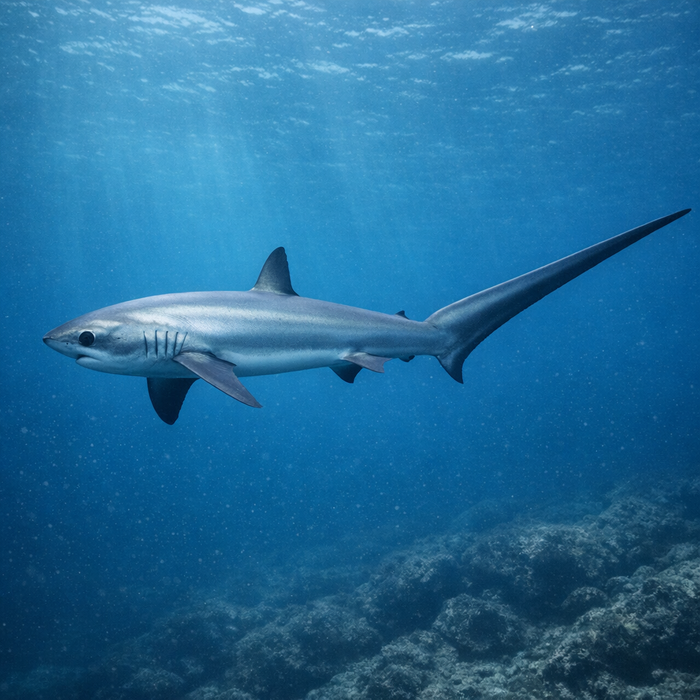
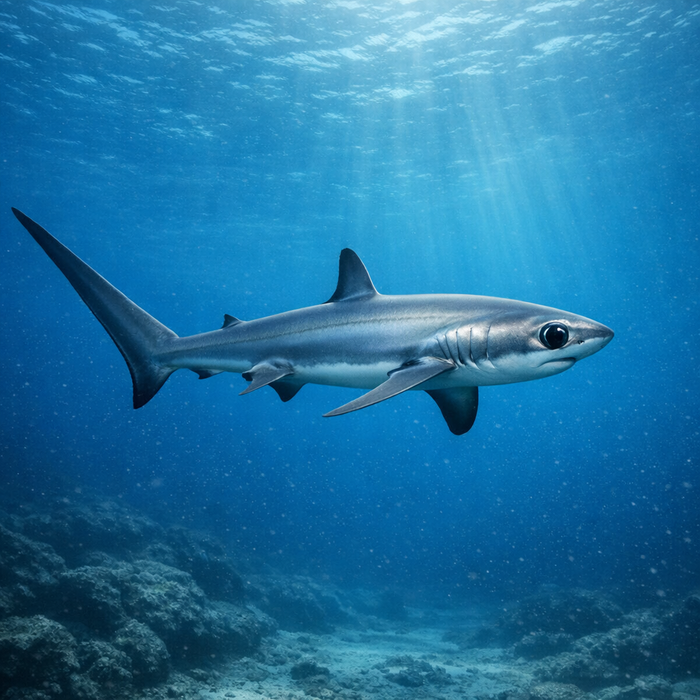
Salmon shark (lamna ditropis): The Cold-Water Torpedo That Loves Your Salmon Season
Introduction
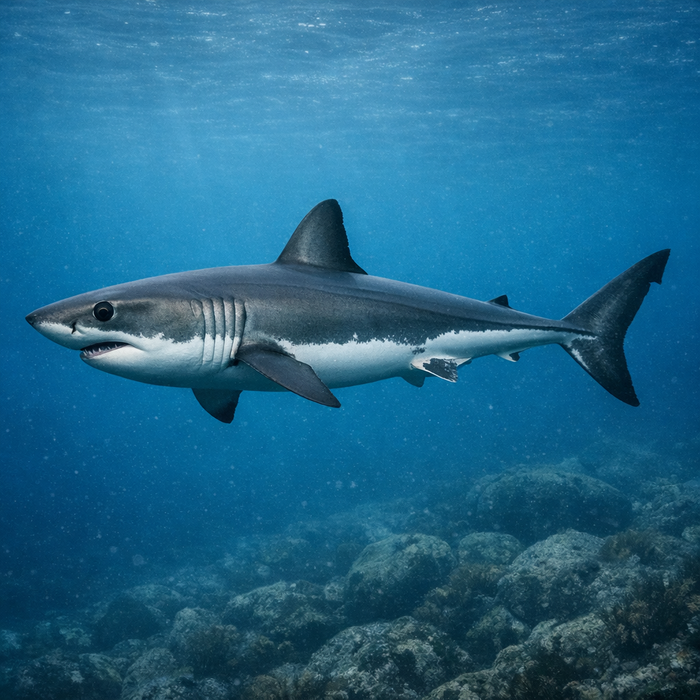
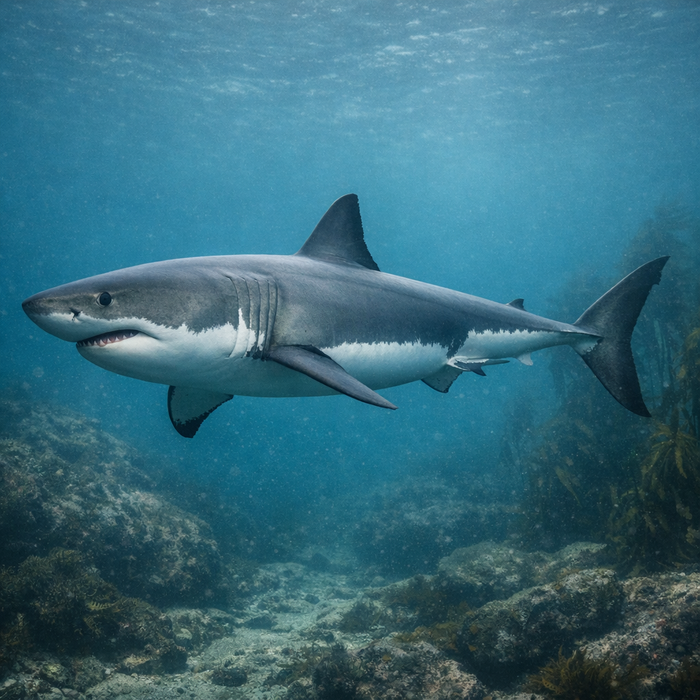
Meet the muscle car of the North Pacific. The salmon shark is a thick-shouldered, warm-bodied speedster that follows salmon like it has stock in the cannery. It looks like a compact great white, hits with bad intentions, and shrugs off frigid water like it’s a spa day. If you play in Alaskan salt, this is the apex neighbor you both fear and admire. Let’s drop into real Salmon shark facts that matter to anglers.
What Makes the Salmon shark Unique?
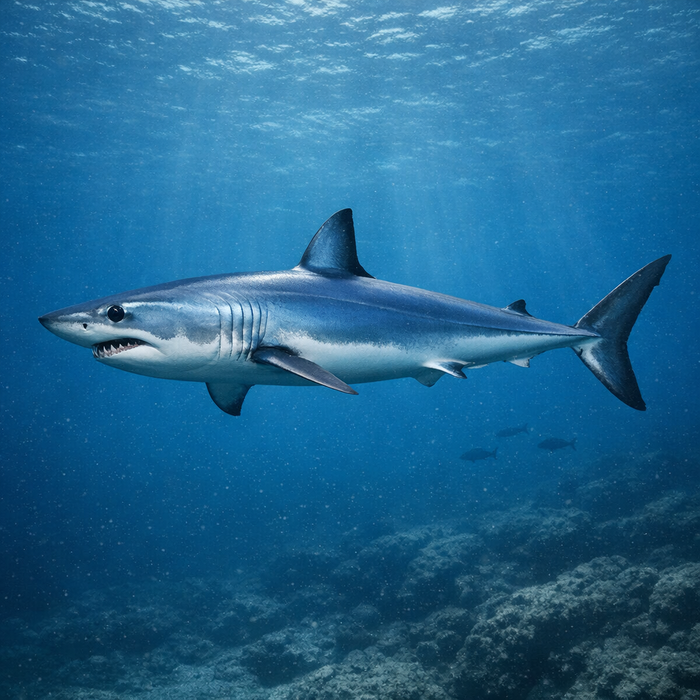
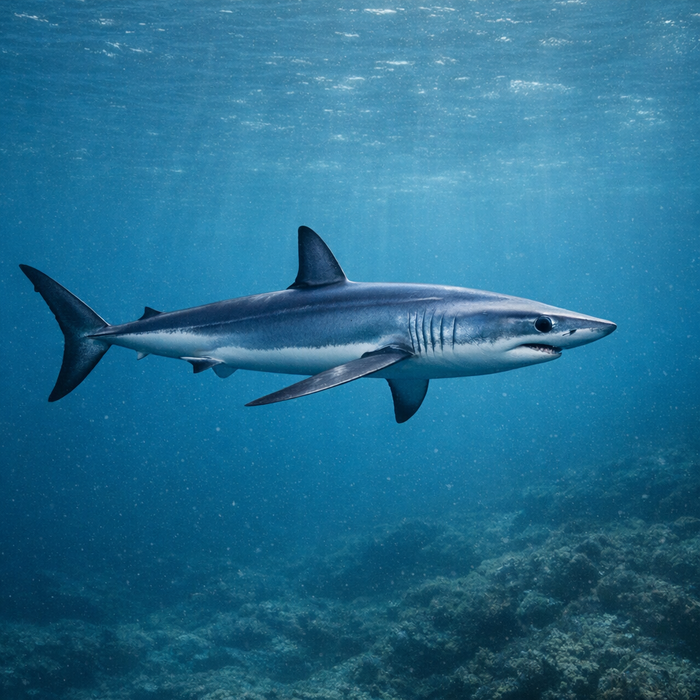
Two things: heat and hustle. Unlike most sharks, salmon sharks can elevate their body temperature using a network of heat exchangers called the rete mirabile. That warm engine keeps muscles and organs firing in water that would shut most fish down. Second, they’re built for violent efficiency. Stocky body, short snout, crescent tail, and conical teeth built to clamp and not let go. It’s the perfect design for gripping slick, panicked salmon at speed without wasting energy.
Habitat & Global Range
Salmon shark habitat is the cold-temperate North Pacific, from Alaska and British Columbia across to Japan and the Russian Far East. They roam offshore and along continental margins, slide into fjords and bays when the buffet arrives, and spend most of their time in the top few hundred feet. Temperature breaks, tide rips, and bait schools are their freeway interchanges. They’re oceanic nomads that still show up like clockwork when salmon pile into nearshore waters.
Behavior & Temperament
They’re not shy. Salmon sharks often track surface action and pin bait against moving current lines, sometimes cartwheeling through schools. Sexual segregation is famous here: females dominate the eastern North Pacific, males the western, and both do huge seasonal loops. They strike hard, sound deep, and settle into stubborn circles under the boat. Expect a heavyweight clinch match, not a flurry of acrobatics. Their endurance is absurd for how cold their world is, and their warm muscles and big heart are the reason.
Ecological Importance
The salmon shark is a serious apex predator. It checks salmon, herring, and other pelagics, redistributing biomass and nudging prey to move and school tighter. By targeting fat, returning salmon, they likely influence which age classes make it home. They’re also a fast lane for energy transfer: salmon calories become shark calories, which become movement, heat, and a long list of freeloaders trying to survive around them. They are a headline character in the North Pacific food web.
Conservation & Environmental Pressures
Good news: they’re currently assessed as Least Concern, helped by relatively stable populations and cold-water fortresses. But that’s not a forever stamp. Bycatch, entanglement, and localized targeting can hit pockets of fish, and warming oceans reshuffle the deck on range, prey timing, and migration routes. Misidentification in fisheries data muddies the picture. In short, they’re doing fine, but the scoreboard can change if salmon runs wobble or if management gets sloppy.
The FishyAF Take
The salmon shark is chaos wrapped in science. It’s a warm-blooded battering ram that shows up exactly when you were planning to fill the hold with coho. Hook one and your day instantly becomes about leverage, angles, and respect. If you came for docile, fish elsewhere. If you came for a story that still sounds good when told slowly at 2 a.m., this is it. Handle them cleanly, gear up like an adult, and know when a photo and a healthy release beats a freezer full of regret. That’s the move with a fish that turns cold water into horsepower and your salmon spread into a crime scene.