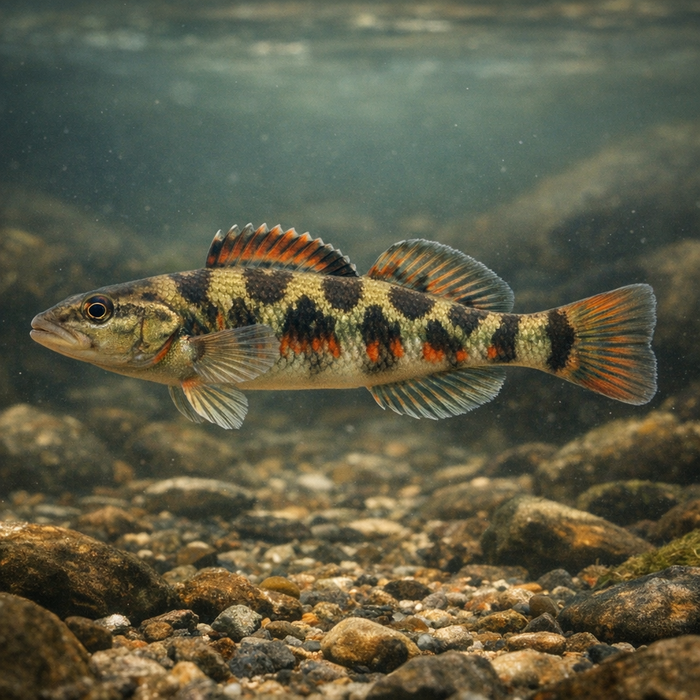
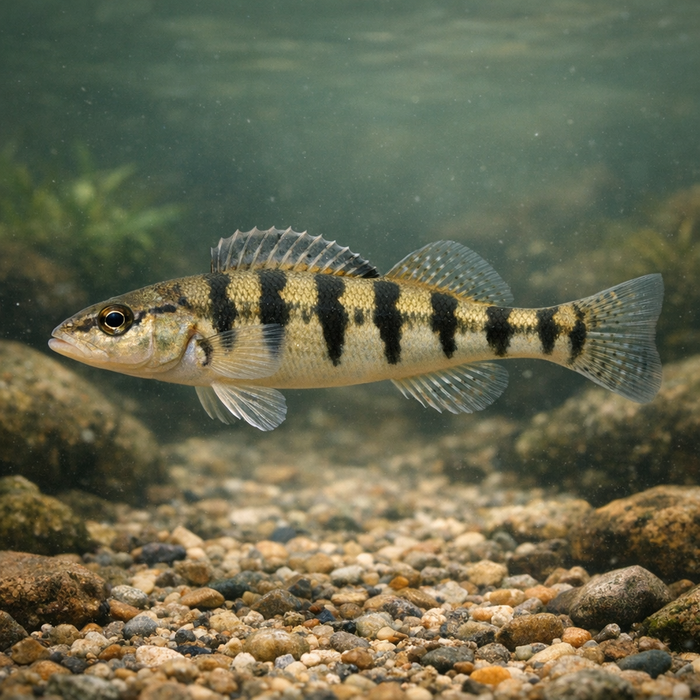
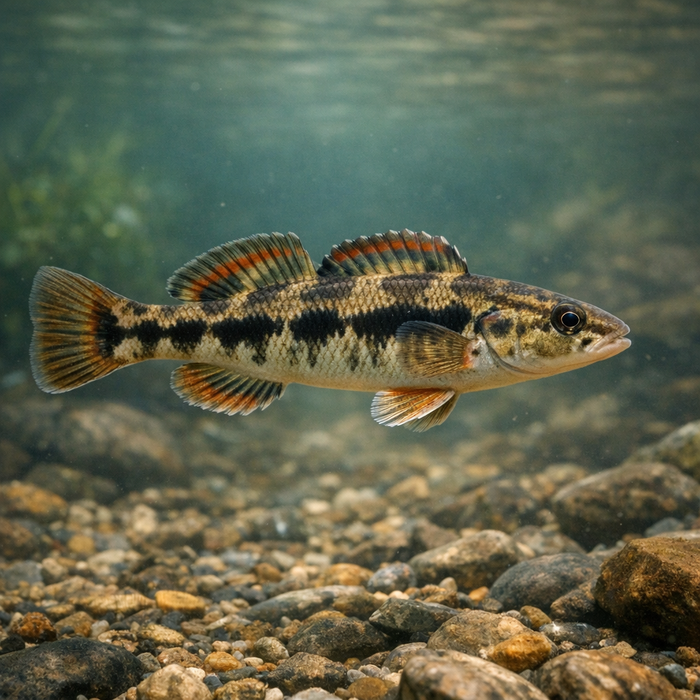
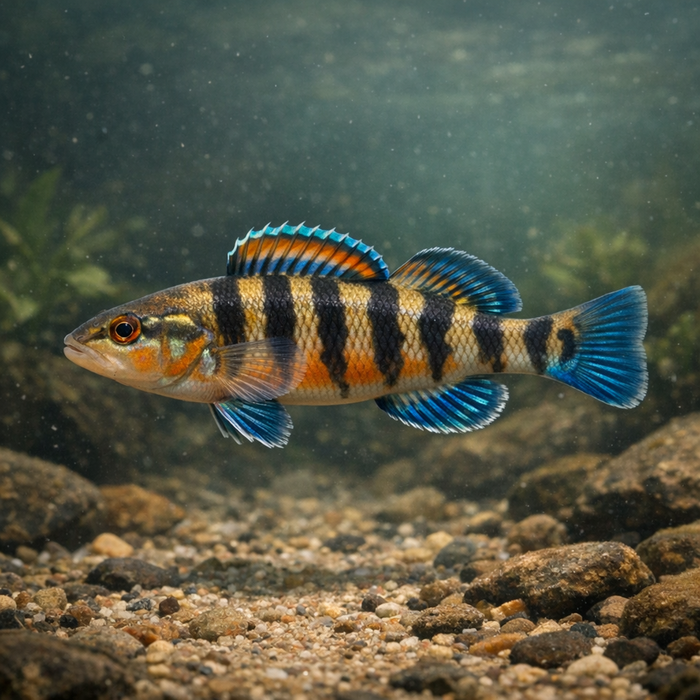
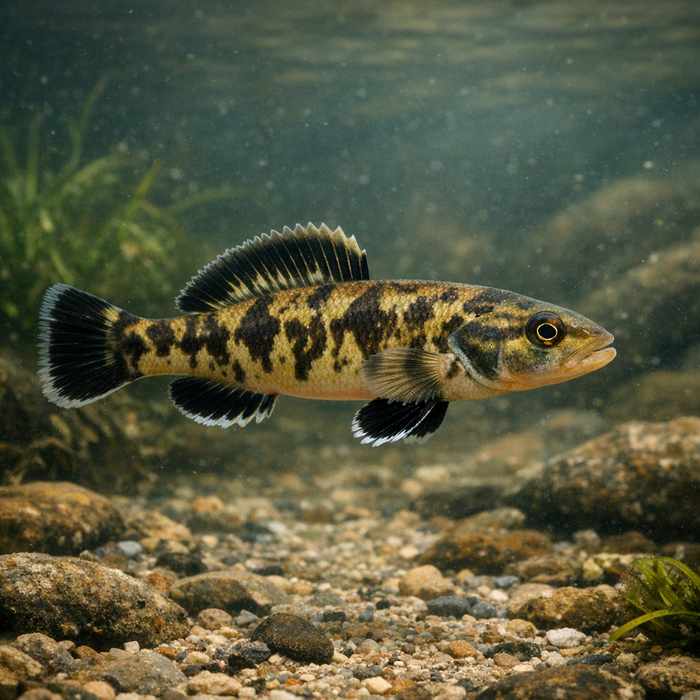
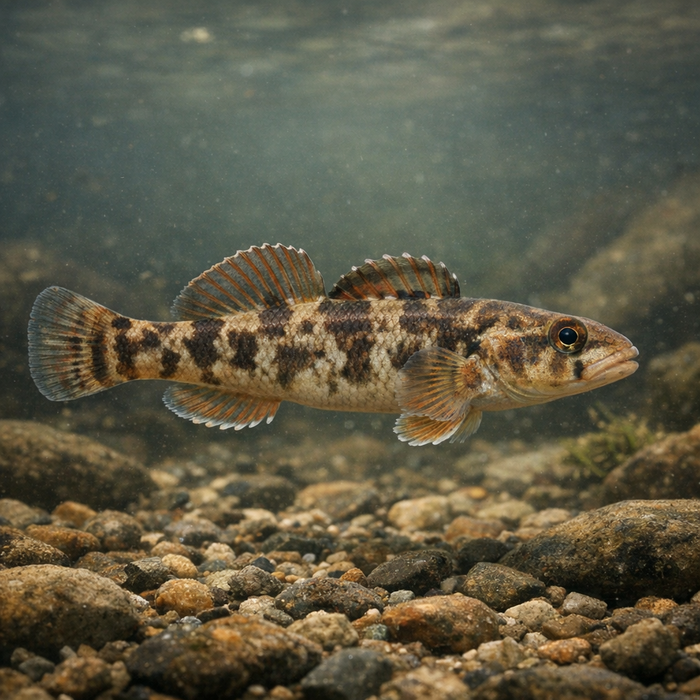
Sequatchie darter (etheostoma sequatchiense): A tiny river rocket with bottom-grip superpowersIntroductionThe Sequatchie darter is the fish equivalent of a track sprinter who never leaves the lane. It is small, lightning quick, and laser loyal to its home turf. If you are into microfishing or just love a species with a strong sense of place, you are looking at a pint-sized legend of the Sequatchie River. These fish won't spool you or smoke drags. They will, however, test your stealth and knot-tying patience in ankle-deep current.What Makes the Sequatchie darter Unique?For starters, endemism. The Sequatchie darter is locked into one river corridor in Tennessee, and that alone sets it apart. It also has the darter calling card: a reduced swim bladder that keeps it glued to the bottom until it fires a quick dart forward. That bottom-hugging lifestyle is paired with wide pectoral fins that act like brakes on slick limestone. In spring, males of the Sequatchie darter light up with sharp bars and bright fin edges, cranking the color dial well past what you expect from a fish under three inches. As Sequatchie darter facts go, the headline is simple: it is tiny, specialized, and seriously dialed into fast, clean water.Habitat & Global RangeCall this the Sequatchie darter habitat masterclass: clear, cool, limestone-fed runs and riffles with pea gravel and cobble, mostly shallow and full of pushy current seams. The species anchors to the Sequatchie River system, making micro-moves between riffles, run tails, and the calmer edges when flow and temperature shift. You do not have to think globally here; this fish is local, loyal, and laser-specific about substrate and flow. If you are peering into sparkling riffles in the Sequatchie Valley and see a quick flash along the bottom, odds are good you have just watched the right fish.Behavior & TemperamentThe Sequatchie darter hugs structure and current breaks, grabbing drifting invertebrates and then pinning itself back to the bottom like a magnet. It is no cruiser. Instead, it is a station-holder that explodes for a meal and disappears. Spawning sparks in spring, when males dress up and jockey for small patches of clean gravel. They will shimmy, fan, and defend postage-stamp territories, but they are not brawlers. To an angler, the Sequatchie darter reads as wary but predictable: get your offering riding just right in the seam and you will see a tiny tilt, a flash, and a tap.Ecological ImportanceDarters are great truth-tellers, and this one might be the bluntest of the bunch. Because the Sequatchie darter needs clean gravel and steady current, it telegraphs watershed health. Silted riffles and murky flows erase its feeding lanes and smother spawning patches. When the Sequatchie darter is abundant, it signals a benthic buffet of mayfly, caddis, and midge larvae and a river functioning like a clear, cold machine. It is also snack-sized protein for larger stream predators, linking the insect world to the bass and sunfish family up the chain.Conservation & Environmental PressuresWith a home range measured in river miles, the Sequatchie darter feels every local decision. Sedimentation from poorly managed construction or agriculture can plaster its gravel. Low flows, drought, and excessive withdrawals shrink riffle habitat. Culverts and small barriers can fragment short stretches that matter a lot to such a site-faithful fish. The species is not here for drama, but it does need consistent clarity, clean substrate, and seasonal flows that keep riffles swept and oxygen-rich. Protect those, and the fish does the rest.The FishyAF TakeThe Sequatchie darter is not a trophy. It is a test. If you can kneel on a limestone ledge, spot a two-inch bottom ninja, and drift a midge larva into its zip code without a splash, you have earned your stripes. That is the hook of this species: precision over power, patience over hype. If you want an easy win, skip it. If you want a pure read on your stealth and presentation, this little native will grade you hard. Handle gently, keep the riffles clean, and appreciate that not many fish wear their zip code in their name. That, more than anything, is why the Sequatchie darter keeps us coming back.