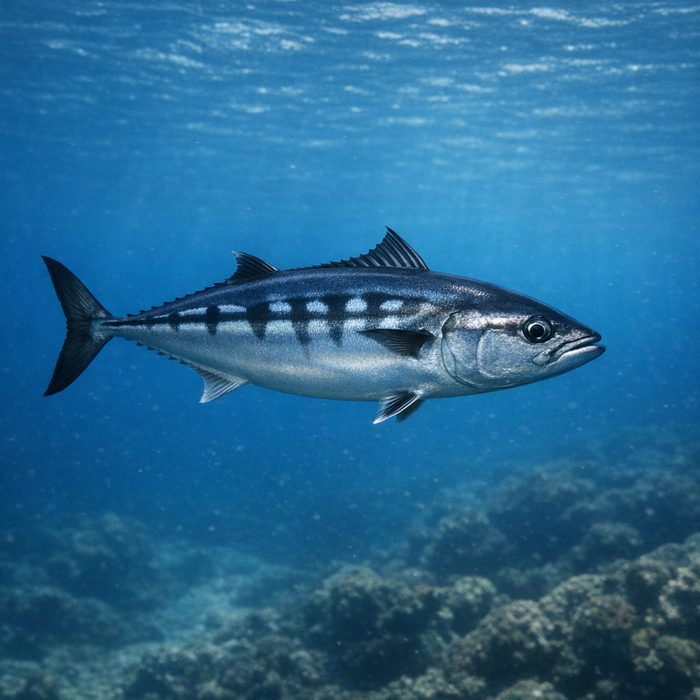
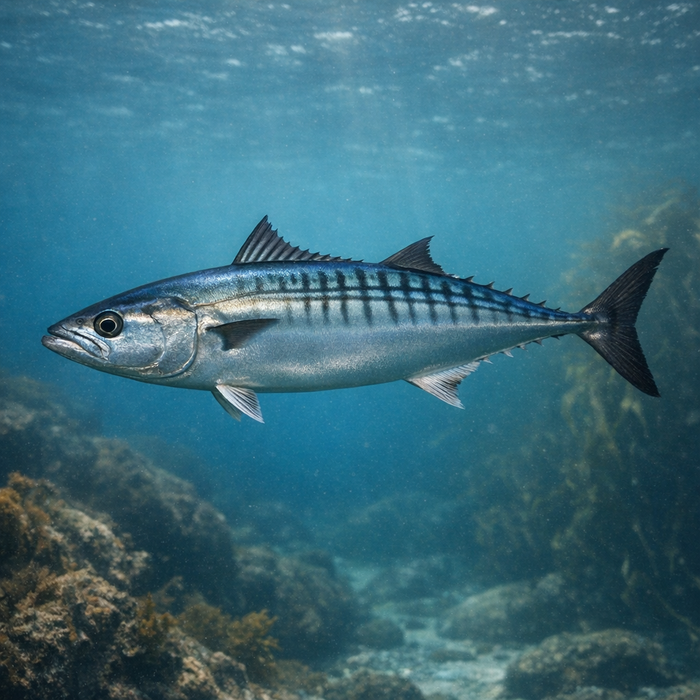
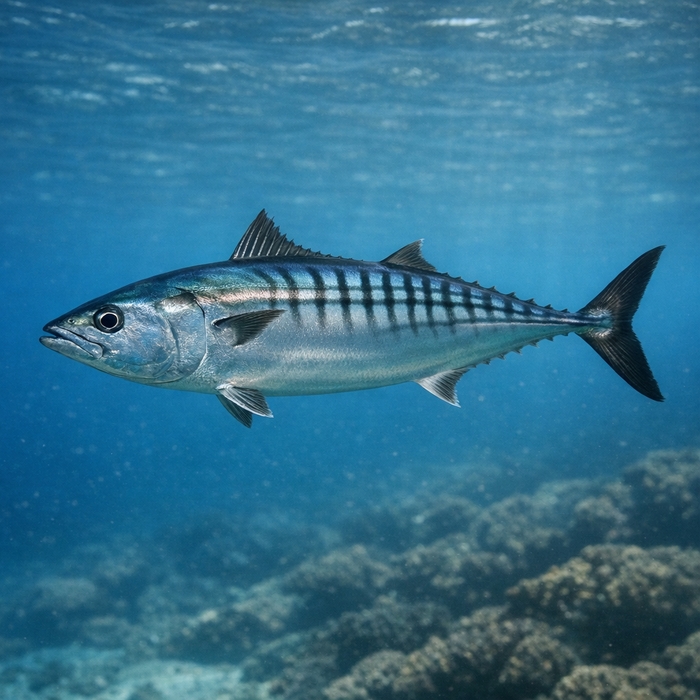
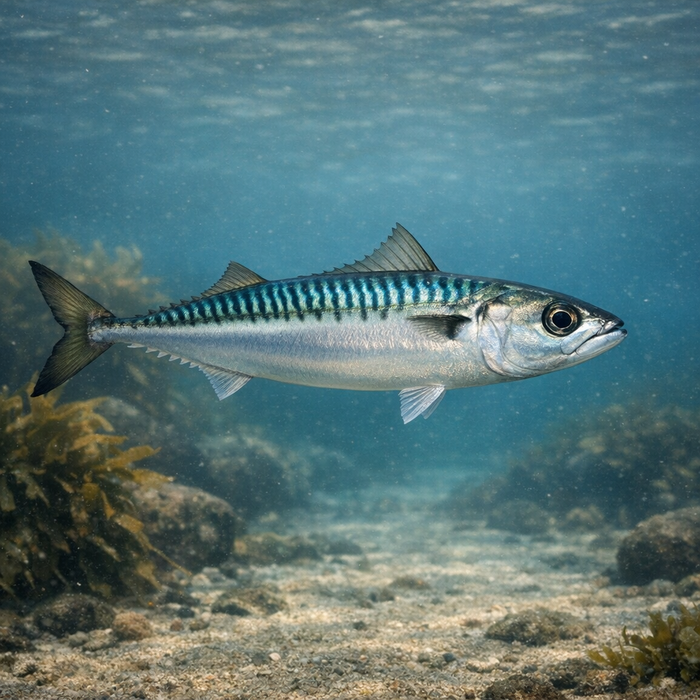
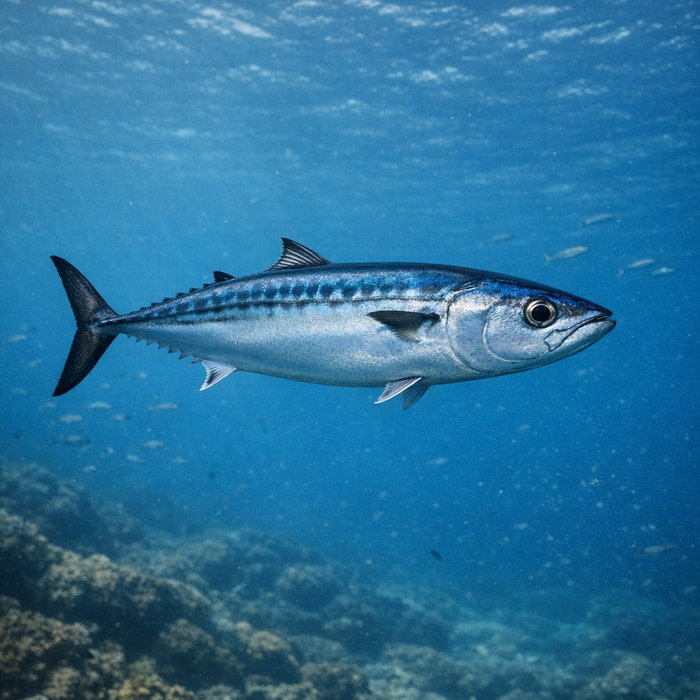
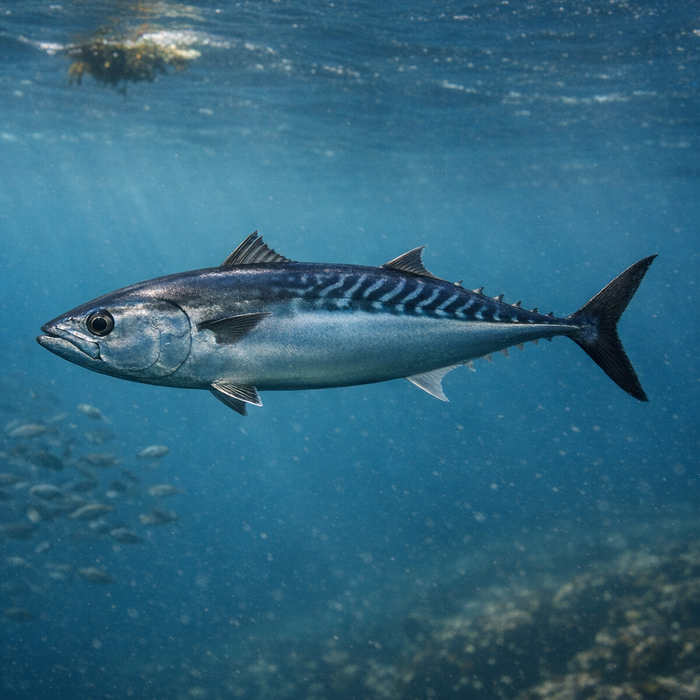
Serra Spanish mackerel (Scomberomorus brasiliensis): A sleek, rocket-fueled coastal sniper with teeth to match its attitude.IntroductionYou don't tiptoe into a school of Serra Spanish mackerel; you crash the party with speed. This coastal predator turns calm water into a blender the second bait stacks on a tide line. For anglers who like adrenaline on a budget, the Serra Spanish mackerel offers nearshore chaos, blistering runs, and enough blade-like teeth to turn tackle into confetti if you get lazy.What Makes the Serra Spanish mackerel Unique?First, identity. Serra Spanish mackerel were once tossed into the same bucket as Atlantic Spanish mackerel, but Scomberomorus brasiliensis stands on its own. That split matters for records, regulations, and bragging rights. Second, this fish is tuned for speed. A torpedo body, tight-scale armor, and a sickle tail let it rocket through bait, hit lures at terminal velocity, and change direction like it's dodging rent. Third, it's a serial spawner in warm months, pulsing clouds of buoyant eggs, which makes it resilient when habitats and forage cooperate.Habitat & Global RangeIf you're hunting Serra Spanish mackerel habitat, think clean edges. These fish love the seam where green coastal water meets cobalt blue, the lanes just outside river plumes, and the upcurrent faces of reefs where bait balls hesitate. Their core range runs the tropical and subtropical Western Atlantic from Central America through the Caribbean and along much of Brazil's coast. Inshore, they slide along beaches, harbors, and surf lines; offshore, they patrol near the surface over reefs and wrecks. Currents, clarity, and bait availability are the real drivers. When sardines, anchovies, or scads stack, a pack of serra won't be far behind.Behavior & TemperamentThe Serra Spanish mackerel is a daylight bandit with a mean streak. It favors fast-moving prey and reacts to flash and vibration like a switch got thrown. Expect explosive topwater slashes during bait blitzes and blistering midwater runs once hooked. They school by size, move constantly, and seem almost allergic to dead water. Wire-phobic? Sometimes. But mostly they're honest predators that reward speed, precision, and timing. Miss the feeding window and they'll ghost on you like a bad date.Ecological ImportanceSerra Spanish mackerel slot into a vital mid-trophic role. They convert dense schools of small pelagics into protein for larger predators while helping keep forage species in check. Their fast growth and serial spawning help stabilize coastal food webs when environmental conditions are favorable. Strip them out of a system and you'll see it ripple: bait populations bloat, top predators wander, and the whole nearshore rhythm gets weird.Conservation & Environmental PressuresWhile the Serra Spanish mackerel isn't poster-child endangered, it's not bulletproof. Heavy coastal fishing pressure, bycatch in mixed mackerel fisheries, and periodic habitat hits from sediment plumes and pollution can all nick the stock. Because this species has been misidentified historically, some catch stats are fuzzy, which complicates management. The recipe for sustainability isn't exotic: clear water, healthy bait, and sane harvest rules. When those align, serra bounce back fast. When they don't, the decline can sneak up on you.The FishyAF TakeThe Serra Spanish mackerel is everything fun about nearshore fishing compressed into a silver torpedo. Find a clean edge, throw something shiny, wind like you mean it, and hang on. Compared to offshore glamour species, serra are accessible, fast, and unpretentious. They're also unforgiving if your gear is sloppy or your timing is off. If you're collecting Serra Spanish mackerel facts, start here: speed wins, edges matter, and bait is king. If you want to understand Serra Spanish mackerel habitat, learn to read color changes and current lines like a map. Do that well and this fish will ruin you in the best way possible.