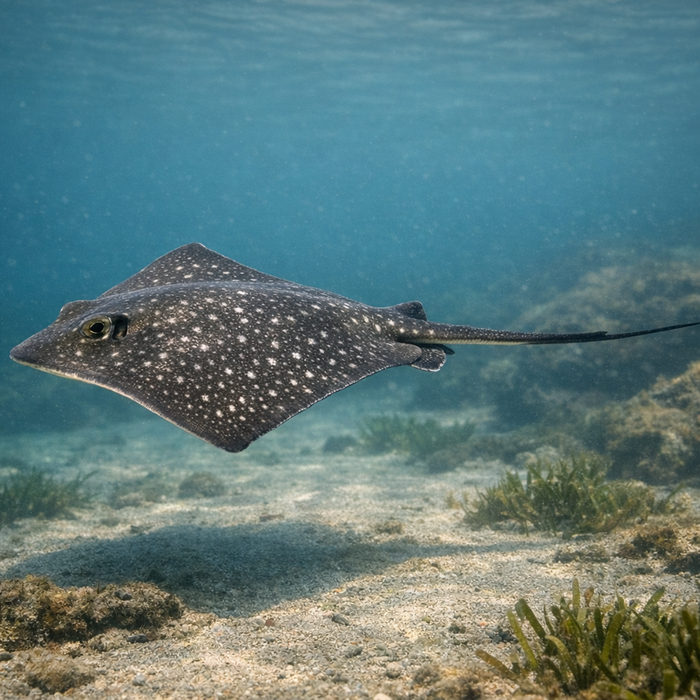
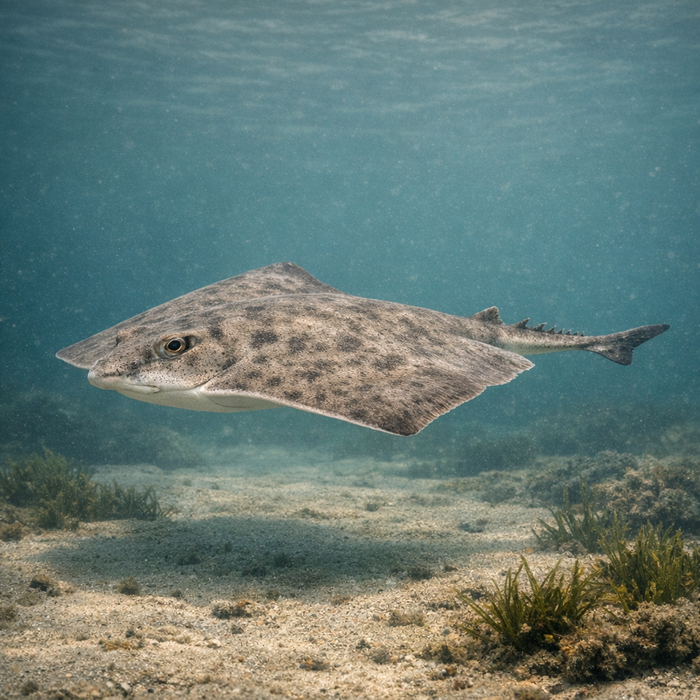
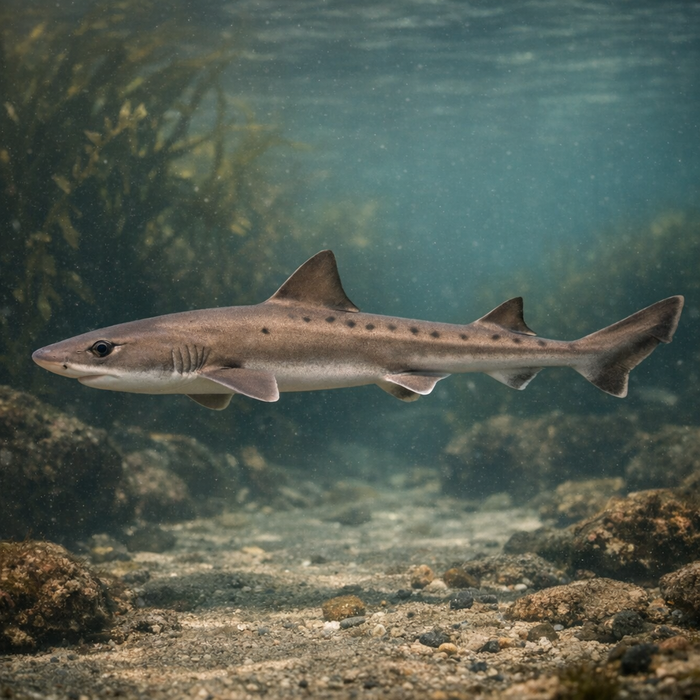
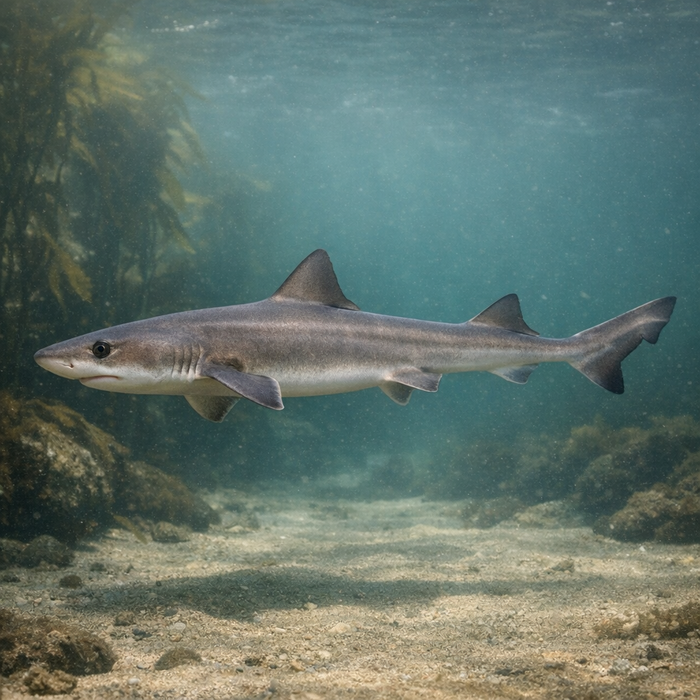
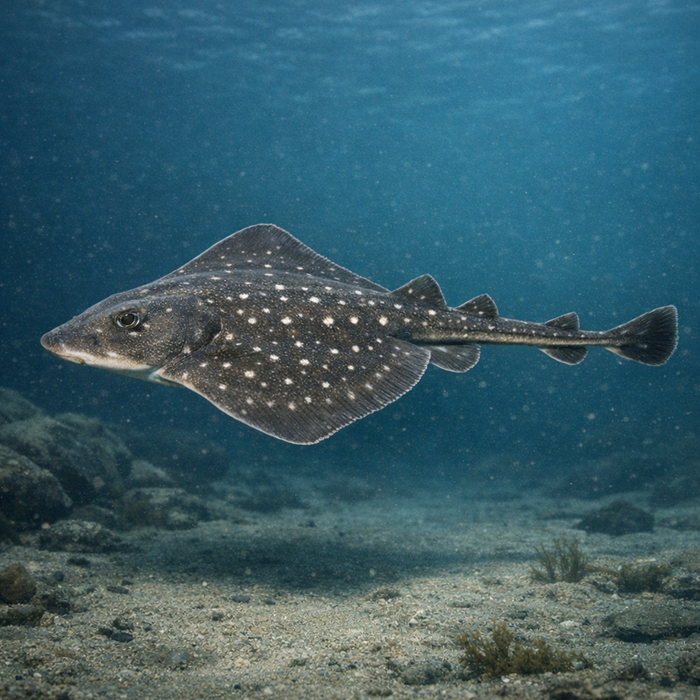
Shovelnose Guitarfish (Pseudobatos productus): Part Shark, Part Ray, All Sand-Sled AttitudeIntroductionThe shovelnose guitarfish is that oddball you spot in the wash and immediately want to catch. It looks like a ray that borrowed a shark's tail and then decided sandy shore breaks were the ultimate hangout. For anglers prowling beaches and bays from California into Baja, the shovelnose guitarfish is a reliable, hard-fighting target that thrives where waves and current shuffle sand. If you're hunting practical Shovelnose guitarfish facts or curious about Shovelnose guitarfish habitat, welcome to the rabbit hole.What Makes the Shovelnose guitarfish Unique?A front end like a stealth bomber and a back end like a little shark give this fish undeniable curb appeal. The broad, shovel-shaped snout isn't decoration; it's a tool that stirs and plows sand to pop crabs, shrimp, and small fish loose. Unlike stingrays, the shovelnose guitarfish lacks a venomous barb. It relies on camouflage, quick bursts, and crusher plates for teeth that turn hard-shelled snacks into confetti. Add in live birth after a long pregnancy, and you've got a surf-zone specialist built for messy, energetic water.Habitat & Global RangeThe shovelnose guitarfish is a shallow-water prowler of open sandy beaches, bay mouths, harbors, and surf flats along the Eastern Pacific, most famously Southern California and northern Baja California. It pushes into bay shallows when the water warms and slides back out along troughs and channels as conditions cool or traffic spikes. Depth-wise, think ankle- to kayak-deep in the surf, down to modest nearshore depths where sand meets current. It thrives in dynamic edges: the inside of a bar, the lip of a trough, or the shadow line along a pier. This species is built for slopes and seams, not coral mazes.Behavior & TemperamentShovelnose guitarfish cruise the bottom methodically and feed by ambush and "vacuum." They're not particularly spooky in churned-up water, but clear, bright days can make them more cautious. Often, they'll surf a wave set just like a skater drafting a ramp, then pin food down in the backwash. They bury in seconds when threatened, leaving only eyes and spiracles peeking like periscopes. Fights are bulldoggy rather than acrobatic: steady, sand-grinding torque with occasional short runs. They're quite catchable on light tackle, especially around tidal movement when scent plumes carry.Ecological ImportanceThe shovelnose guitarfish plays the role of benthic bouncer, keeping crab, shrimp, and small fish populations honest. Those tooth plates are more than hardware-they're pressure regulators for the invertebrate scene. As a mid-level predator, it becomes prey to larger sharks and sea lions, looping energy through the nearshore food web. When they root in sand, they aerate the substrate, stir nutrients, and expose micro-prey to birds and other fish. It's unglamorous work, but this ray-shaped custodian keeps the beach zone buzzing.Conservation & Environmental PressuresWhile not the most threatened of the guitarfishes, the shovelnose guitarfish faces pressure from coastal development, habitat degradation, and incidental capture in gillnets. Heavy summer traffic in embayments can push fish into narrower windows of safe feeding. Warmer waters shift their inshore patterns, sometimes stretching the season, sometimes concentrating effort. Responsible handling, clean landings, and awareness of local regulations go a long way. This species' productivity helps, but nearshore habitat is crowded real estate, and the rent is rising.The FishyAF TakeIf your local surf is alive and the tide's on the move, the shovelnose guitarfish is the people's ray. It doesn't demand boutique gear, it shows up where you already fish, and it fights like a stubborn suitcase full of wet sand. Learn your beaches: identify troughs, rips, and bay drains. Squid strips, a simple rig, and patience will beat a tackle shop shopping spree most days. Among nearshore species, few deliver such a perfect intro to saltwater sleuthing. The shovelnose guitarfish may not jump or tail-walk, but it's a masterclass in reading water and timing your sets. Catch one and you'll see why surf rats never complain about these shovelheads showing up in the wash.