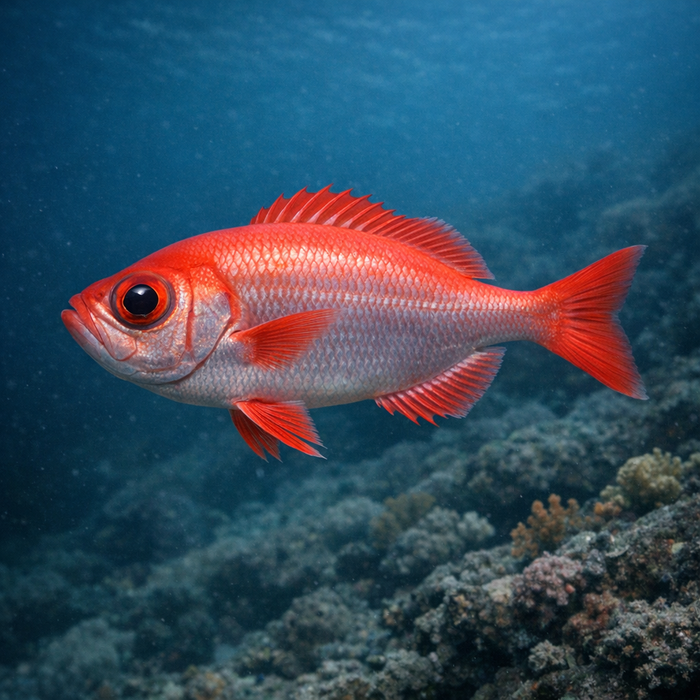
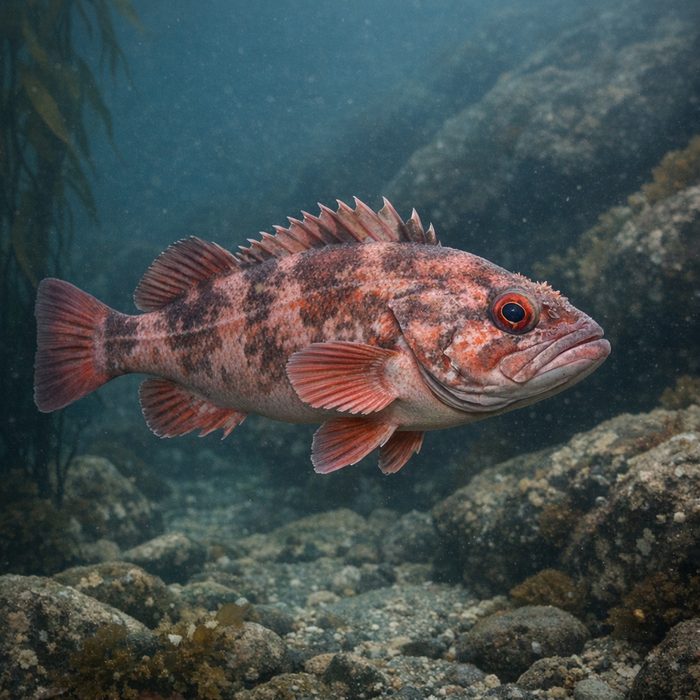
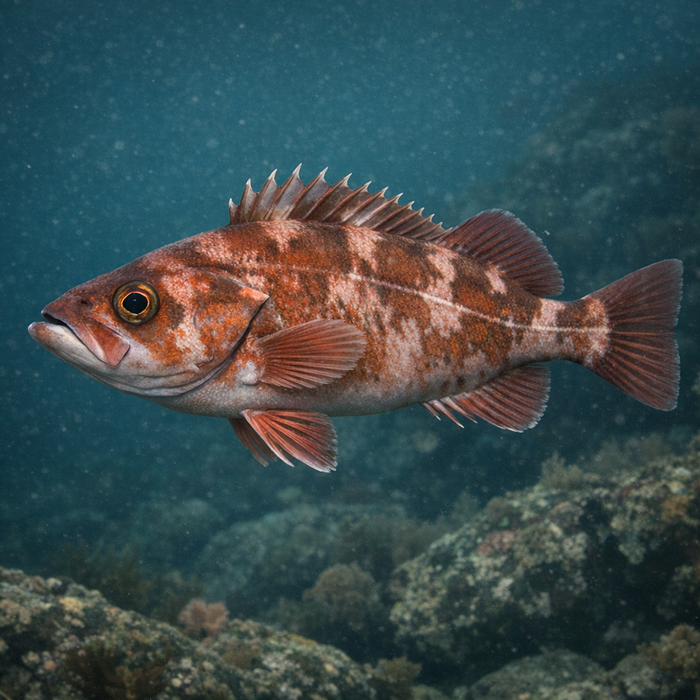
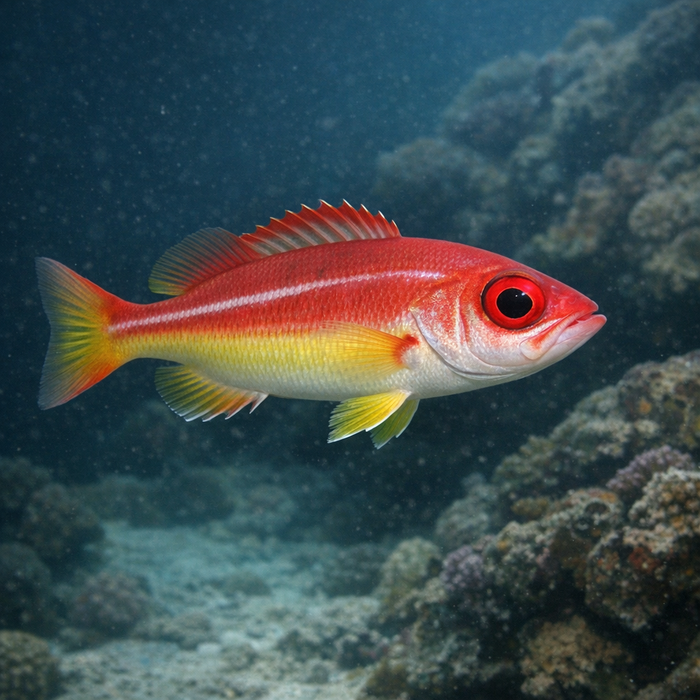
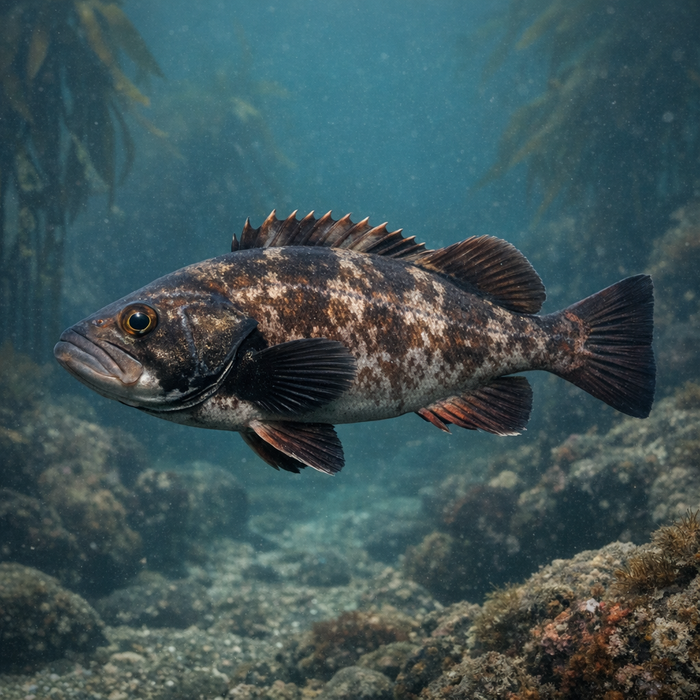
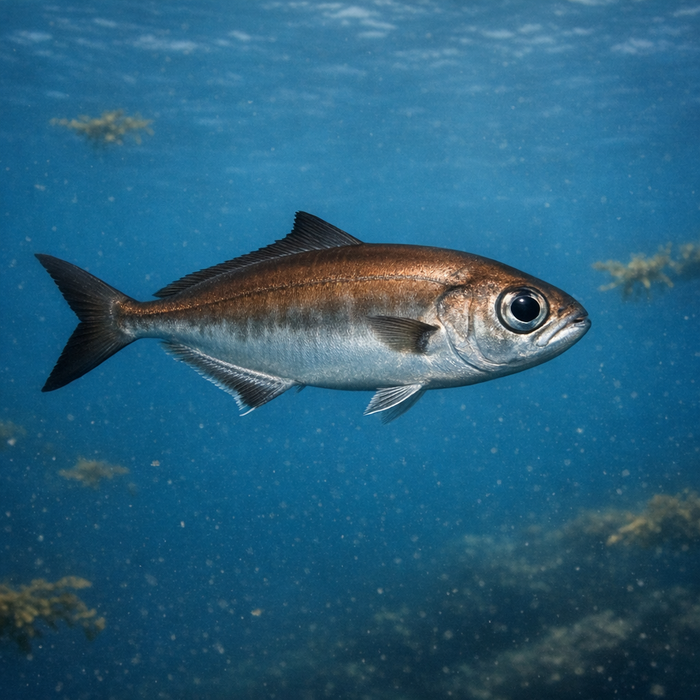
Skilfish (Erilepis zonifer): A Bold, Memorable Hook LineIntroductionIf the ocean had a basement, the Skilfish would be that quiet bouncer leaning in the shadows. It's a heavy-bodied, big-eyed deep dweller that most anglers only hear about when someone hauls one up by accident while chasing halibut, sablefish, or big lingcod. Rare? Yep. Memorable? Absolutely. This is the sleeper trophy of North Pacific deep-drop fishing, and it wears mystery well.What Makes the Skilfish Unique?First, the silhouette: a tall, muscular frame with oversized eyes built for the twilight zone. It looks like a mashup of sablefish and a deep-reef bruiser, and that blend is exactly what it is. Second, the life history is a plot twist. Juveniles ride near the surface, loitering around kelp mats and jellyfish, then vanish to hundreds of fathoms as adults. Third, Skilfish belong to a small, oddball family with sablefish, and they're the lone species in their genus. That mix of rarity, size potential, and weird juvenile behavior makes Skilfish facts read like rumor until you see one on deck.Habitat & Global RangeSkilfish habitat is the steep stuff: continental slope breaks, seamount shoulders, and deep rocky ledges in the North Pacific. They show up from Alaska and the Gulf of Alaska down the outer West Coast in deep water, and across the Pacific near Japan and the Russian Far East. Think 600 to 1,200 feet as the bread-and-butter zone, with deeper sightings common. Structural edges, current-washed pinnacles, and canyon rims are their living room. Weather and distance limit access far more than fish density. You're not beach-casting for these.Behavior & TemperamentSkilfish aren't fussy stylists. They're opportunistic predators with a squid-and-fish diet, more bulldog than sprinter when hooked. The fight up from the deep is a slow, punishing tug-of-war that intensifies near the bottom and turns into weighty resistance mid-column. They're not pure loners, but you won't usually plow through schools either; small clusters around prime structure are more likely. With big eyes and a deep-slope lifestyle, they feed when current carries groceries, not when sunlight dictates anything.Ecological ImportanceSkilfish knit together two worlds: surface-drifting juveniles link productive near-surface food webs with the deep, while adults patrol the slope and recycle energy into larger predators. Long-lived and slow to mature, they represent the classic deepwater tradeoff: resilience at the individual level, vulnerability at the population level if too many big breeders vanish. When you pull one up, you're meeting decades of slow, cold growth.Conservation & Environmental PressuresThey're not the poster child of any campaign, but that doesn't mean the Skilfish is bulletproof. Deepwater fisheries for other species can clip them as bycatch, and the very features that make them intriguing to anglers make them vulnerable: long life, low productivity, and highly specific habitat. Add in warming trends, shifting currents, and deoxygenation in deeper layers, and the neighborhood can change fast. Records and stock assessments are thinner than for headline species, so smart handling, selective harvest, and restraint help keep the mystery fish mysterious in a good way.The FishyAF TakeSkilfish are the plot twist you brag about for years. You went deep for something else and hauled up a black-and-silver brute with eyes like saucers and shoulders like a linebacker. Rarity isn't marketing fluff here; it's baked into the habitat, the logistics, and the life history. If your crew gets one, take the time to document it right, savor the moment, and maybe check a few databases afterward. When an out-of-nowhere fish puts you on the map, it's usually a Skilfish.