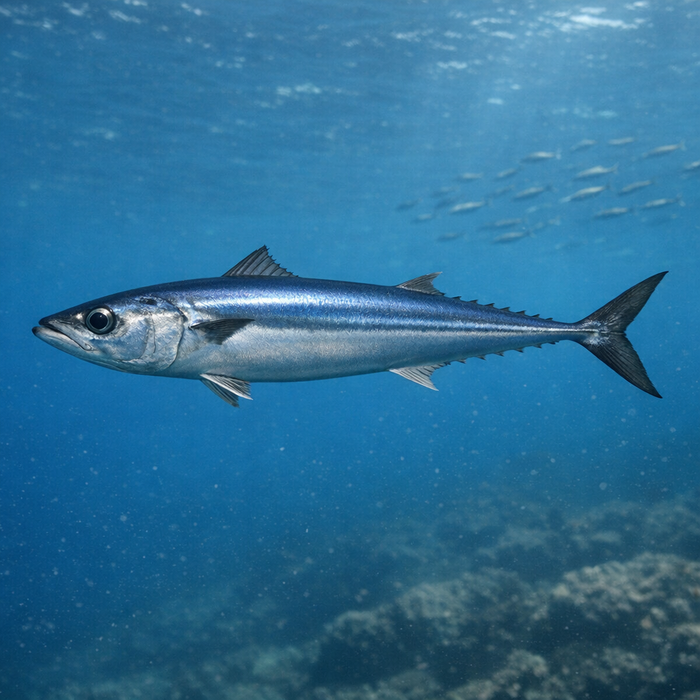
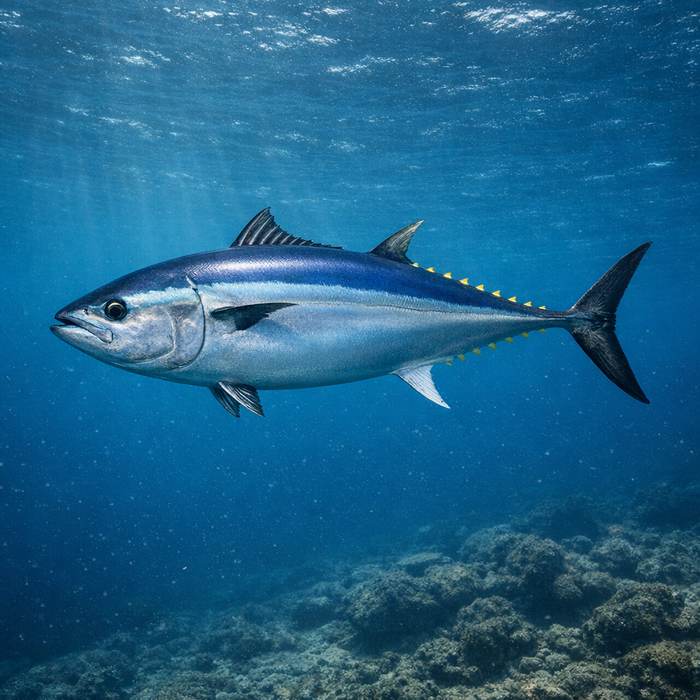
Skipjack tuna (katsuwonus pelamis): A Bold, Memorable Hook Line
Introduction
Fast as gossip and twice as contagious, the skipjack tuna is the ocean’s perpetual motion machine. It’s the engine room of tropical bluewater, a schooling torpedo that turns bait clouds into blender foam. For anglers, skipjack are mayhem on light tackle, pure fun on the troll, and a gateway drug to bluewater obsession. If you want Skipjack tuna facts and a clean read on why they matter, buckle up.
What Makes the Skipjack tuna Unique?
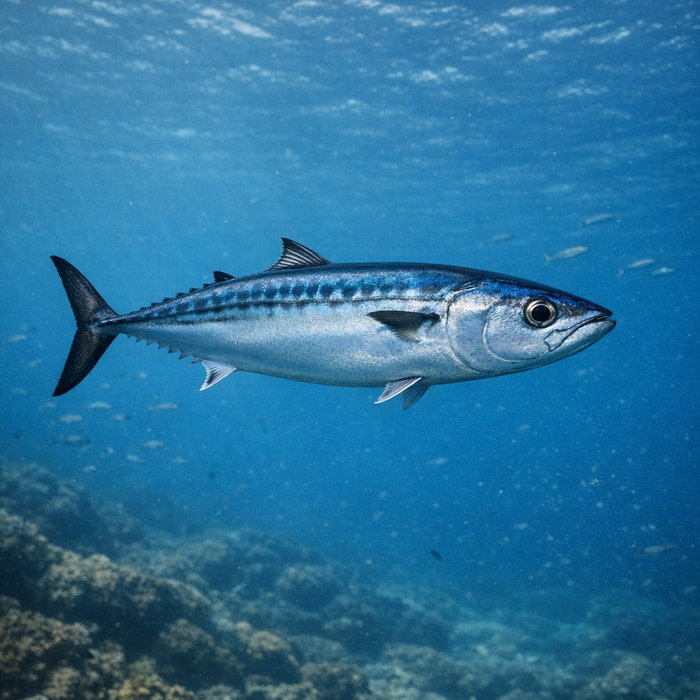
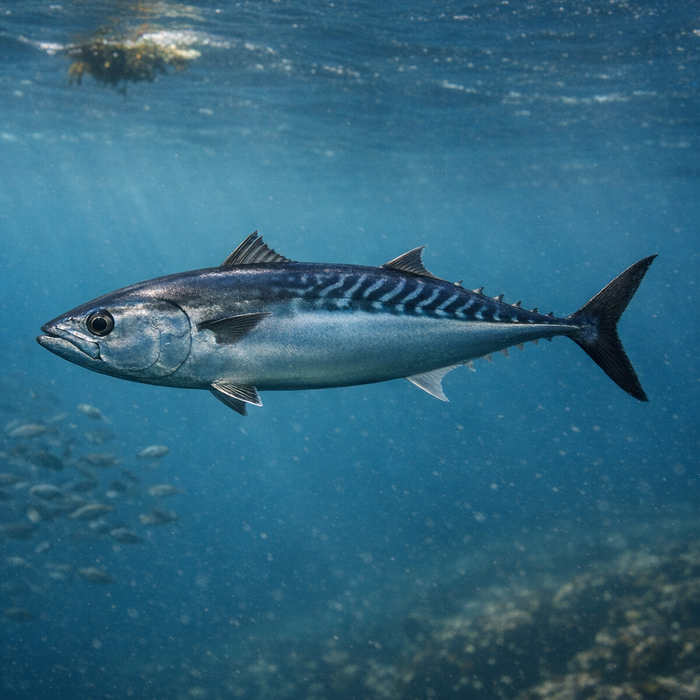
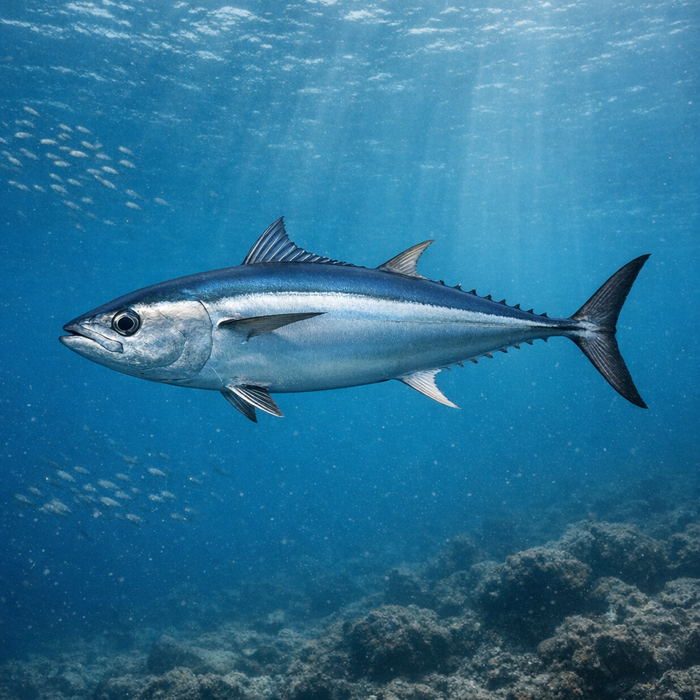
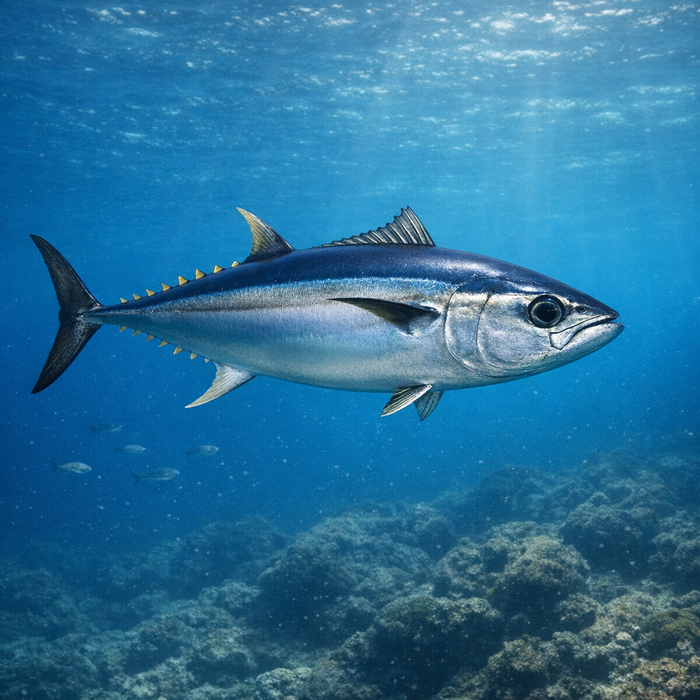
Start with the build. Skipjack have no swim bladder, so they swim or sink—simple as that. That constant movement powers hot, oxygen-rich muscles that can outrun most of what swims. Those bold black belly stripes? They’re the giveaway that you’re hoisting true skipjack, not a lookalike. They school by size, so once you pop the first fish, you can bet the rest of the bite will match that grade. And unlike solitary bruisers, skipjack tuna multiply the chaos by mobbing lures in packs, which is why two rods suddenly become four, then six, then full circus.
Habitat & Global Range
The skipjack tuna habitat story is planet-scale. These fish own warm pelagic waters worldwide, from cobalt rips off Hawaii to Indian Ocean current lines and Atlantic bluewater breaks. They orbit floating objects, natural or man-made, and love FADs because structure corrals bait. Current edges, temperature breaks, and bird piles are the billboards that say cast here now. They’re epipelagic marauders, mostly top 300 feet, but will sink with the sun or when bait dives. In subtropical zones they push poleward with summer warmth, then slide back when water cools.
Behavior & Temperament
They aren’t spooky so much as selective about speed and size. When they’re hot, anything small and fast gets wrecked. When they’re keyed on microbait, downsize or get snubbed. Skipjack tuna feed by sight and pressure-wave detection, crashing bait at the surface, then dropping and pinning schools midwater. Dolphins, birds, and sometimes pilot whales join the chase. Hook one and the school often follows, which is why keeping a jig rod ready turns a single bite into a deck-clearing run.
Ecological Importance
Skipjack tuna are the tropical ocean’s moving conveyor belt, converting vast amounts of forage—anchovies, sardines, squid—into calories for bigger predators and people. They bridge food webs and economies, fueling seabirds, sharks, billfish, and entire tuna canneries. Their fast growth and near-year-round spawning in warm belts make them more resilient than slower, colder-water tunas. Manage them right and they’re a renewable engine of protein.
Conservation & Environmental Pressures
Globally, skipjack tuna sit at Least Concern, and that’s not an accident. High productivity and wide distribution help. But resilience isn’t invincibility. Industrial pressure, bycatch in mixed schools, and habitat shifts from warming seas all matter. FAD-heavy fisheries boost catch but can entangle non-target species and change natural behavior. Good management tracks stock health by ocean basin, trims bycatch, and watches climate-driven range shifts. For anglers, responsible handling, quick icing, and local regulation awareness keep this fishery sharp.
The FishyAF Take
Skipjack tuna are bluewater’s best ruckus per gallon. They’re the bite you pray for when the marlin play coy and the yellowfin ghost you. They will humble sloppy rigs, reward crisp boat handling, and punish anyone who ignores scale and speed. Keep the spread tight and small, stash a metal jig for instant follow-ups, and watch the birds like they’re giving GPS coordinates. If you’re chasing Skipjack tuna habitat edges or just bingeing more Skipjack tuna facts, remember: efficient, fast, and a little chaotic is the whole point. Lean into it, and you’ll turn foam into fillets—and maybe a secret live-bait for your next big strike.