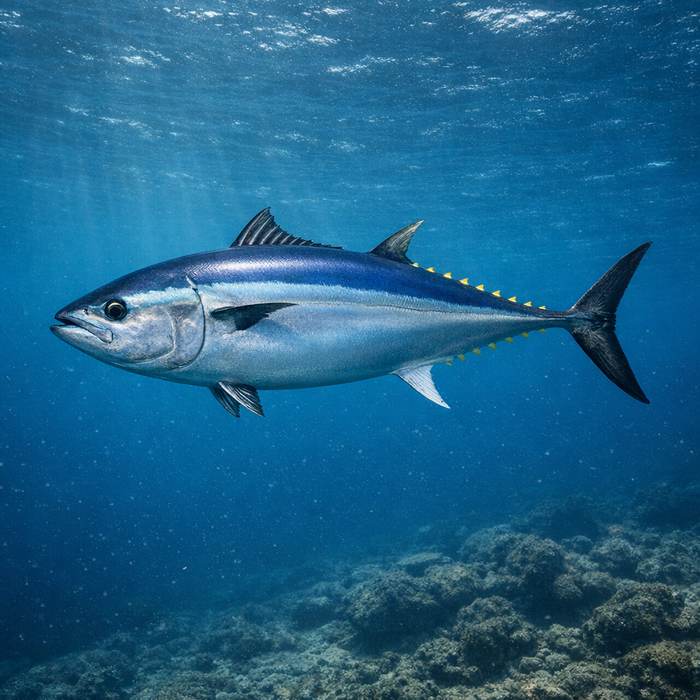
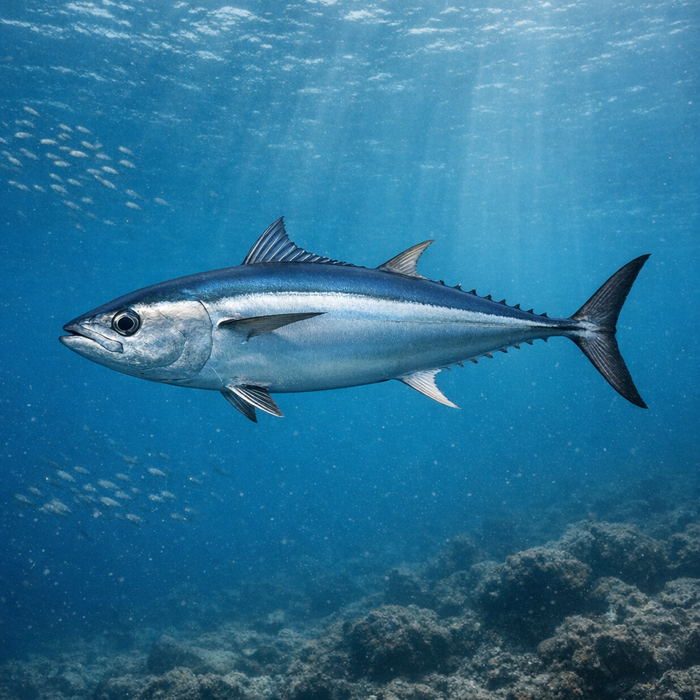
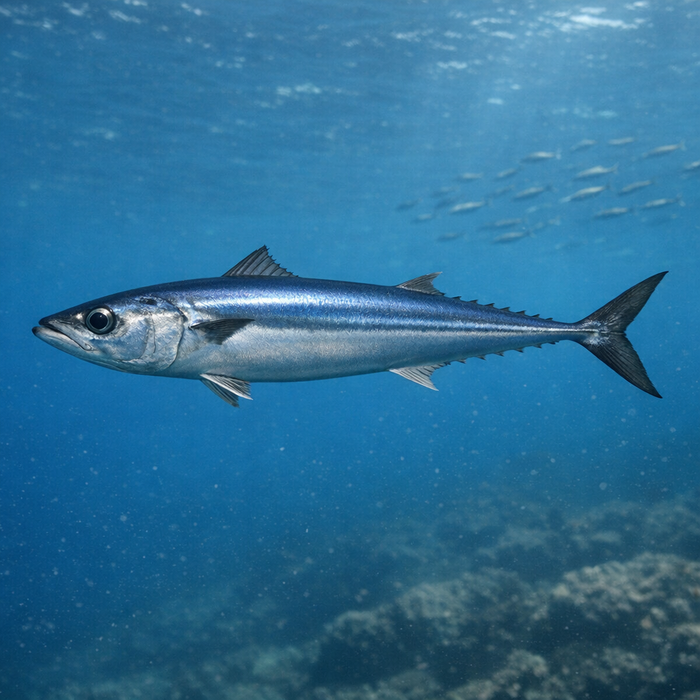
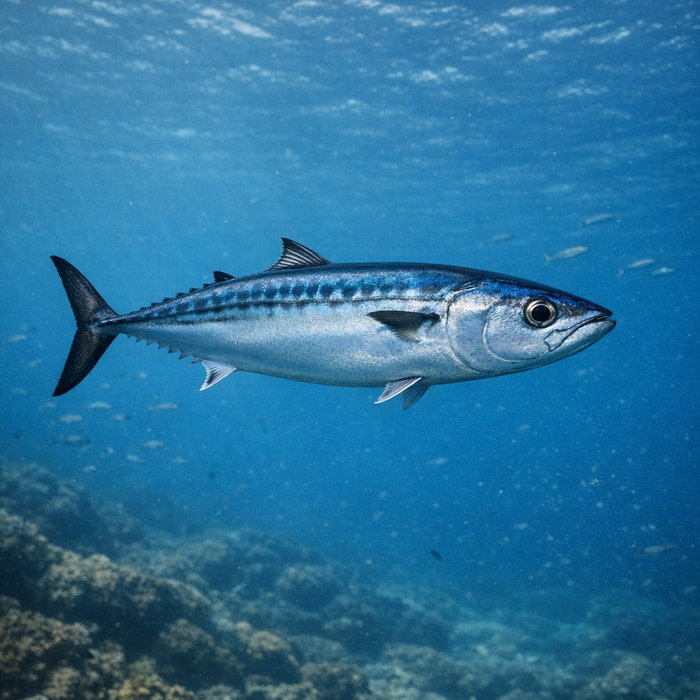
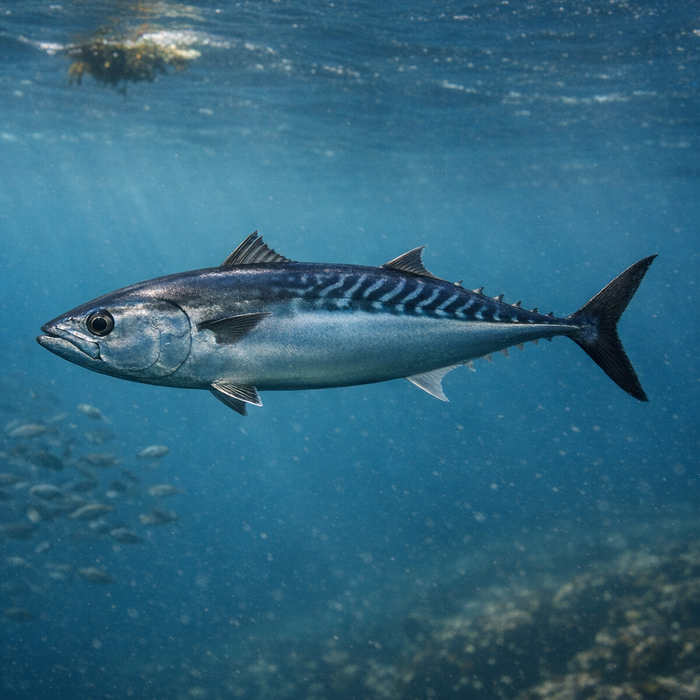
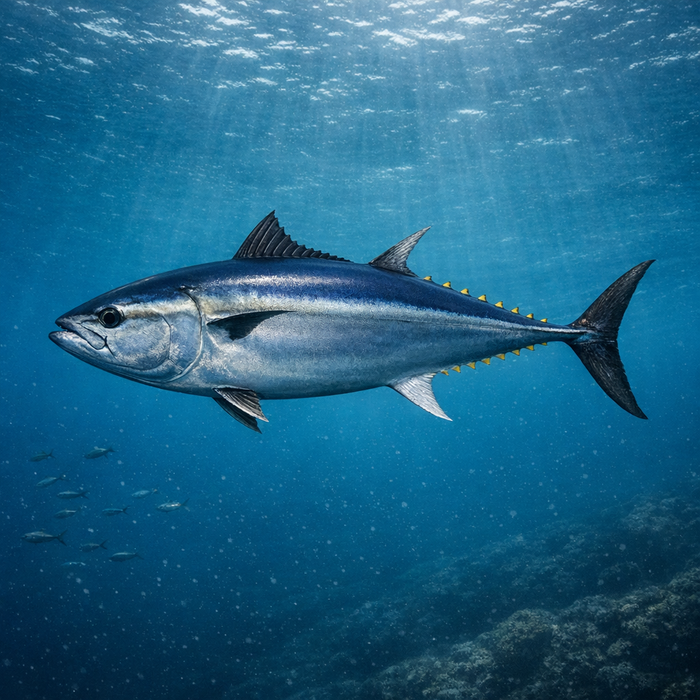
Bigeye tuna (thunnus obesus): Night-vision bruiser built for the deep Introduction Meet the tuna that clocks in after dark. The bigeye tuna is the stealth bomber of pelagic waters, cruising the deep side of the thermocline where most anglers do not fish and most lures never reach. It is heavy, oily, fast, and annoyingly smart about when to eat. If you want a bluewater fish that tests your back, your knots, and your patience, bigeye tuna delivers. Consider this your field guide to real-deal Bigeye tuna facts that actually help you hook one. What Makes the Bigeye tuna Unique? Two things headline the bigeye tuna package: vision and heat. Their oversized eyes and specialized retia warm the brain and eyes so they can see and react in dim, blue-green twilight. They also hold body heat in red muscles, keeping engines hot when plunging into colder layers. Translation for anglers: bigeye tuna feed comfortably below the crowd and hammer baits during low light or at night when many crews are sleeping. Habitat & Global Range Bigeye tuna habitat is the open ocean, not just surface bluewater but the vertically layered theater beneath it. They work current edges, temperature breaks, and the top of the thermocline, typically anywhere from 100 to 500 feet down, with deeper forays beyond 500 when bait rides low. They are circumglobal in tropical to temperate belts, showing up along Atlantic canyons, Pacific island slopes, and eastern Atlantic hotspots like the Azores and Madeira. Adults are less glued to floating debris than their smaller cousins, preferring structure made by water itself: convergences, shear lines, and upwellings. Behavior & Temperament Bigeye are textbook crepuscular predators. They chew hardest at grey light and through the night, often dialing in on squid or compact baitballs beneath thermocline layers. Schools tend to be size-sorted, with larger fish cruising deeper under smaller packs. When hooked, bigeye fight like a grudge match, alternating long, punishing runs with brutal vertical pinwheels that melt drags and legs. They are not especially boat-shy, but they are very condition-shy. If temperature or current is wrong, they ghost you. Ecological Importance In the open ocean food web, bigeye tuna are heavyweight middle managers with apex tendencies. They pressure mesopelagic fish and squid while feeding sharks and billfish on the rare occasions they get outplayed. Their broad vertical range links surface productivity to deeper zones, moving energy through layers that rarely mingle. For scientists, bigeye are living data loggers, revealing how heat conservation and diel migrations shape pelagic ecosystems. Conservation & Environmental Pressures Bigeye tuna carry a Vulnerable label due to past overfishing and ongoing pressure from longlines and purse seines. The fish is resilient but not invincible. International quotas and area closures are helping in some regions, but stock status varies by ocean basin and management body. Climate swings shuffle thermoclines and current lines, shifting predictable patterns and compressing habitats. Responsible harvest, improved handling, and selective gear help keep this fishery wild and worthy. The FishyAF Take If yellowfin are the social butterflies of the spread, bigeye tuna are the moody night owls with thicker wallets. They demand better intel, deeper presentations, and the patience to fish dark-time windows. The payoff is real: dense, high-fat loins that rival bluefin and a fight that will haunt your hamstrings. Want a tip that matters? Stop trolling only on top. Find the break, weight a line, run a down-bait, and keep a disciplined chunk line after midnight. That is how you turn Bigeye tuna habitat into bent rods and bruised egos.