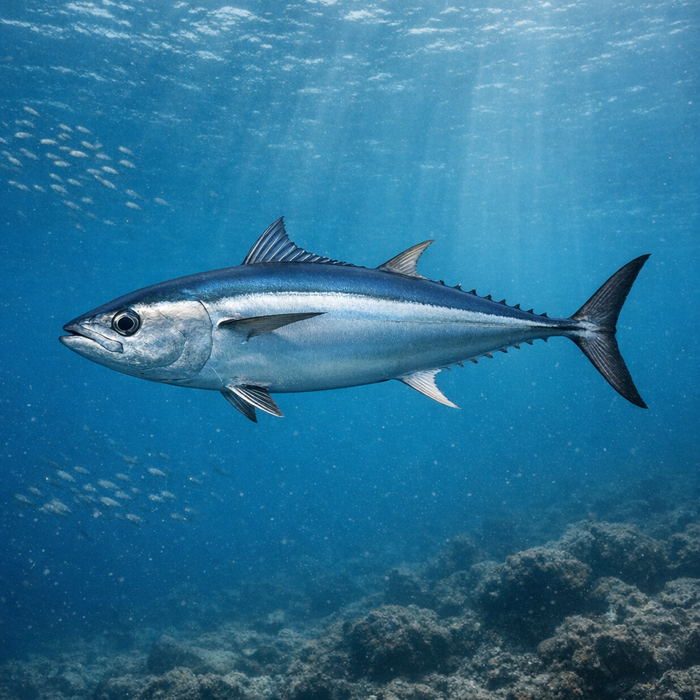
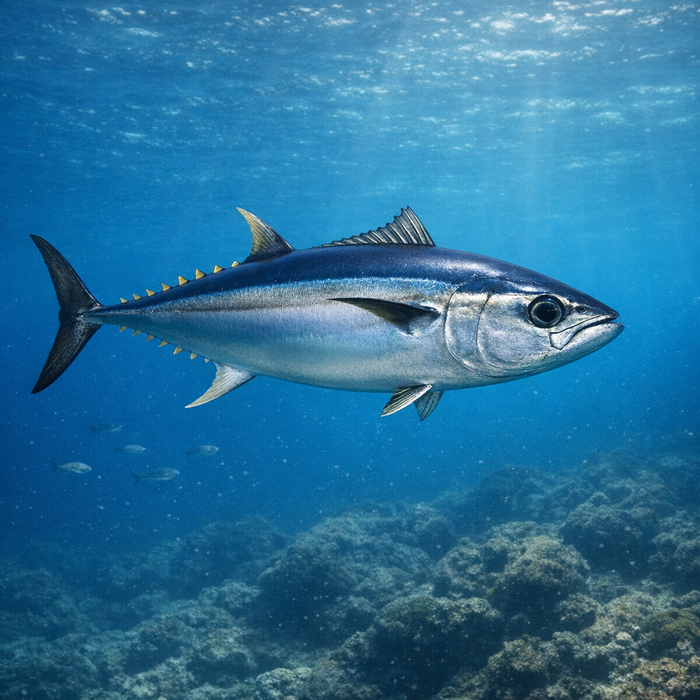
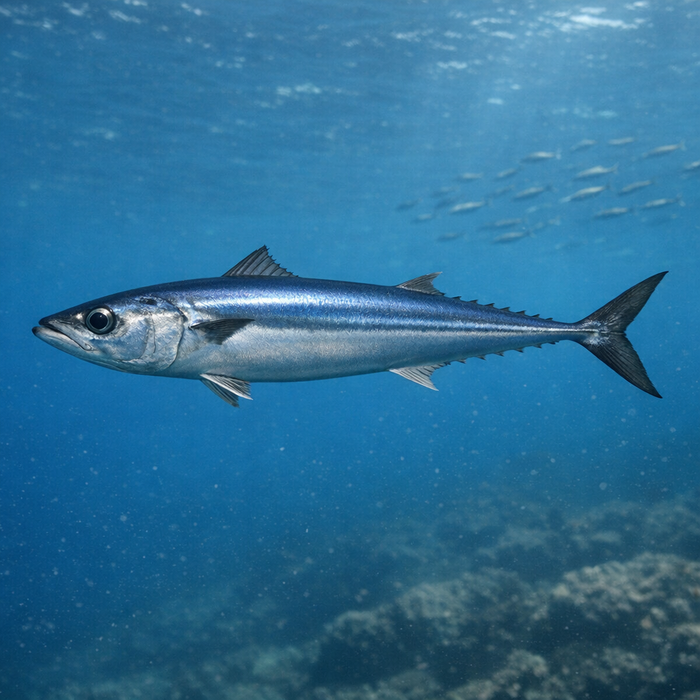
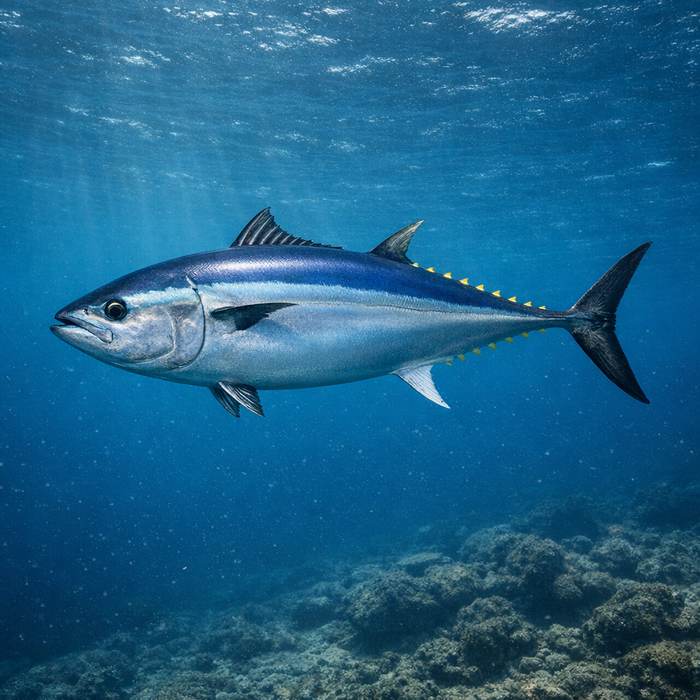
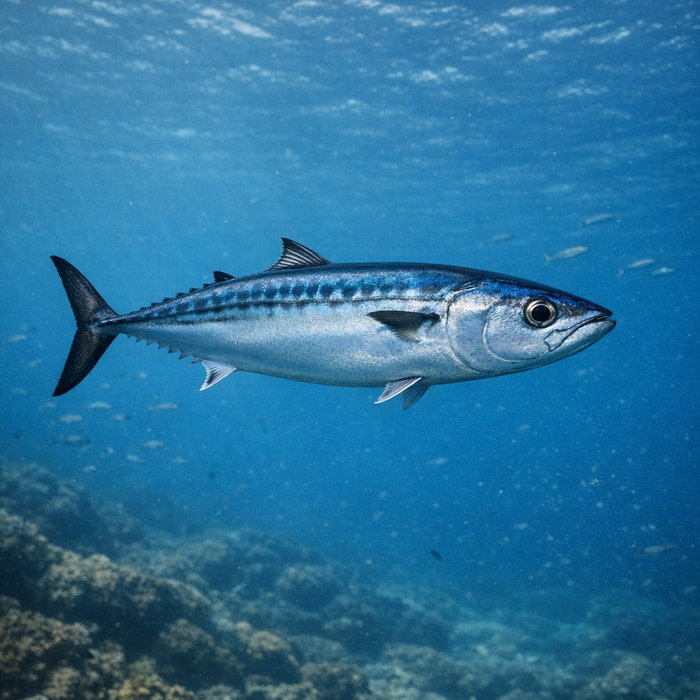
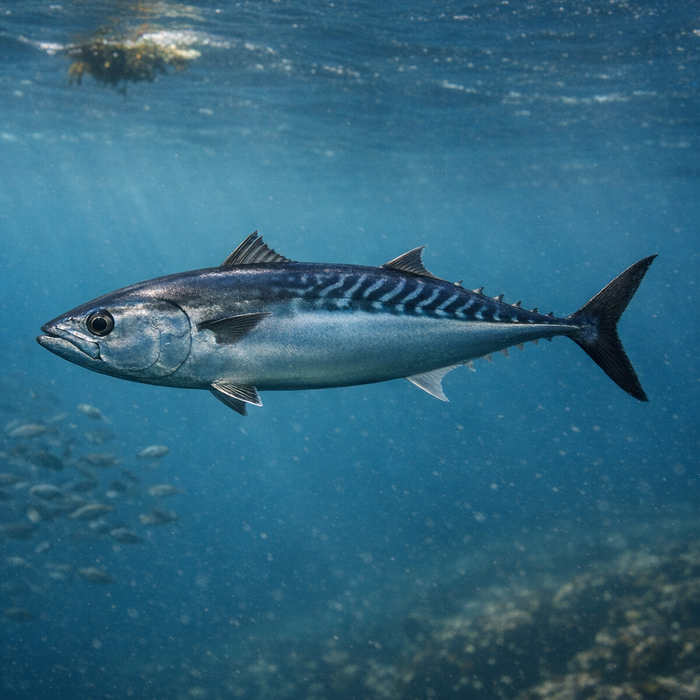
Pacific bluefin tuna (thunnus orientalis): A Bold, Memorable Hook Line Introduction If offshore fishing had a boss battle, it would be the Pacific bluefin tuna. Big brain, bigger engine, and a mean streak that snaps egos and rods alike. These are the chrome torpedoes that suddenly vaporize your spool, then sulk 300 feet down like a submarine with an attitude. You do not dabble in bluefin. You commit. What Makes the Pacific bluefin tuna Unique? First, they are warm-blooded athletes in a cold-blooded world. A built-in heat exchange system lets a Pacific bluefin tuna keep muscles and eyes toasty, which means ridiculous speed and sharp vision in chilly water that stops other pelagics. Second, they are marathoners. Tag data shows juveniles blasting from Japan to California in a single year, then zigzagging the North Pacific like it is their personal racetrack. Third, they scale up to cartoonish sizes without losing the sprint gear. Plenty of fish hit triple digits, and true cows turn 100-pound tackle into decoration. Habitat & Global Range If you are chasing Pacific bluefin tuna habitat, think big empty water stitched with life lines. They roam the North Pacific, bouncing between the western Pacific near Japan and the eastern side from Baja to the California Bight, sometimes pushing farther north or offshore with currents and forage. They are build-break junkies: temperature fronts, current edges, and bait balls. One hour they are blitzing at the surface, the next they are sulking 400 feet under a foamer. Kelp, reefs, structure? Not their thing. Give them clean blue water, a ripping current line, and a buffet of sardines, mackerel, squid, or flying fish. Those are the Pacific bluefin tuna facts that matter when hunting them. Behavior & Temperament Bluefin are moody, which is infuriating and addictive. They can feed like dogs in a spilled pantry, then go lockjaw for days. When they are up, expect explosive foamers, breezers sliding under birds, or sonar marks drifting at midwater. Bites are quick windows shaped by current and light: gray light, late afternoon, and especially the night game for vertical jiggers when big models pin bait deep. Hook one and the playbook is classic tuna: a searing run, then heavy circles that test knots, drag, and forearms. The fish decides the depth; your job is staying composed and cranking. Ecological Importance A Pacific bluefin tuna is an apex predator that shuffles energy up the food web. They convert swarms of small pelagics into a handful of streamlined muscle, which in turn supports fisheries and coastal economies. Their long migrations connect ecosystems across basins. Lose the bluefin and you do not just lose a trophy fish; you snap a thread that ties distant waters together. That connectivity is why Pacific bluefin show up in research on ocean change, from warming temperatures to shifting forage ranges. Conservation & Environmental Pressures The species is listed as Vulnerable, a reflection of historical overfishing and complicated international management. Because Pacific bluefin tuna cross borders and agencies, quotas and rebuilding plans require many hands on the same wheel. The good news: recent management moves and better compliance have nudged trajectories in the right direction. The caution: recruitment swings, temperature shifts, and hungry global markets can reverse gains fast. Responsible anglers stick to current rules, handle fish with respect, and keep the long game in mind. The FishyAF Take If you want a fish that punishes shortcuts, this is it. The Pacific bluefin tuna rewards preparation like few others. Find temperature breaks, watch birds, read your sonar, and bring real gear. Do not worship magic lures. A well-presented sardine, a dialed knife jig, or a kite-flown flyer will beat a tackle-store museum every time. And remember, patience wins more bluefin than bravado. Leave your social media heroics at the dock and run the program. The ocean decides when you are ready.