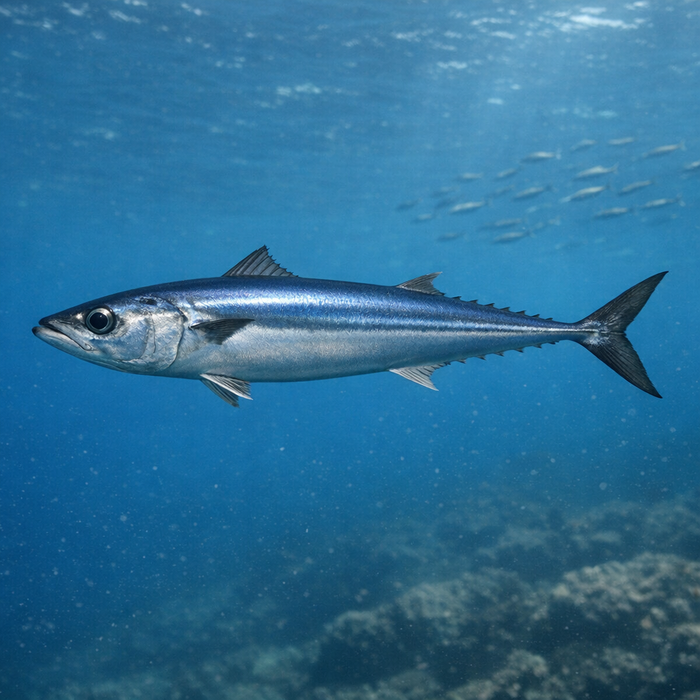
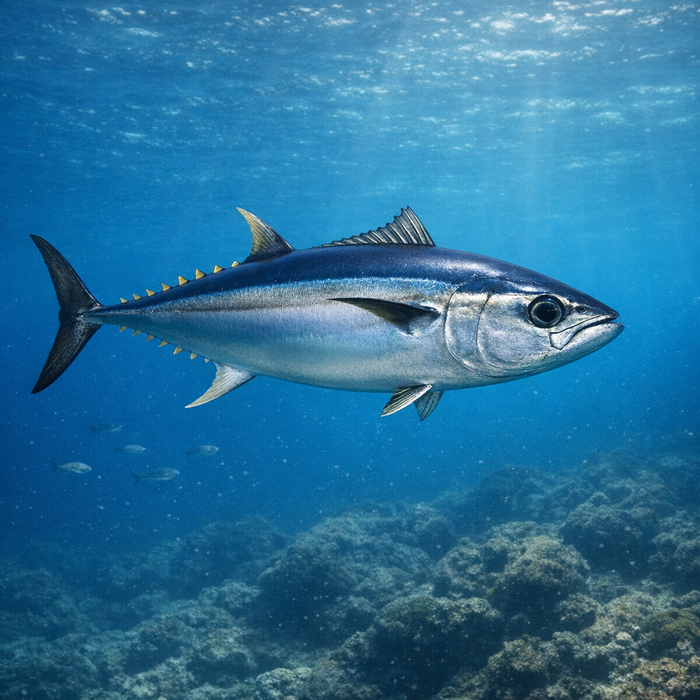
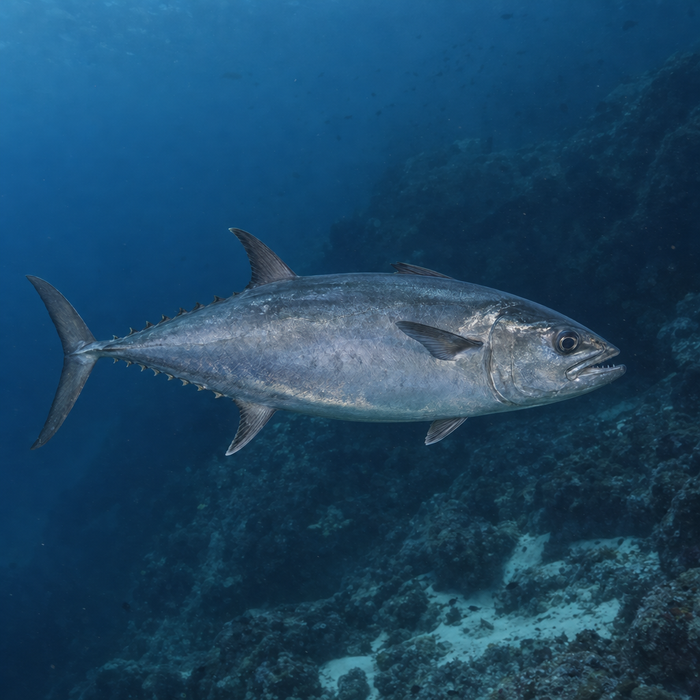
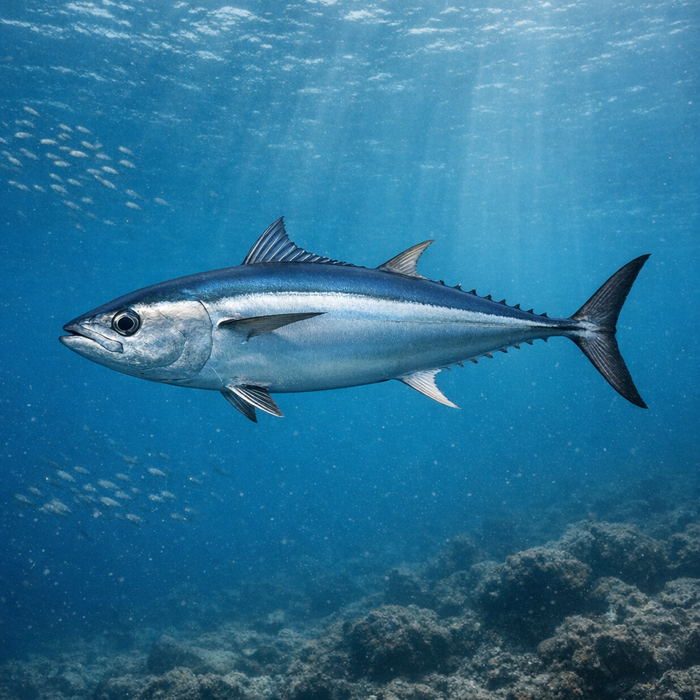
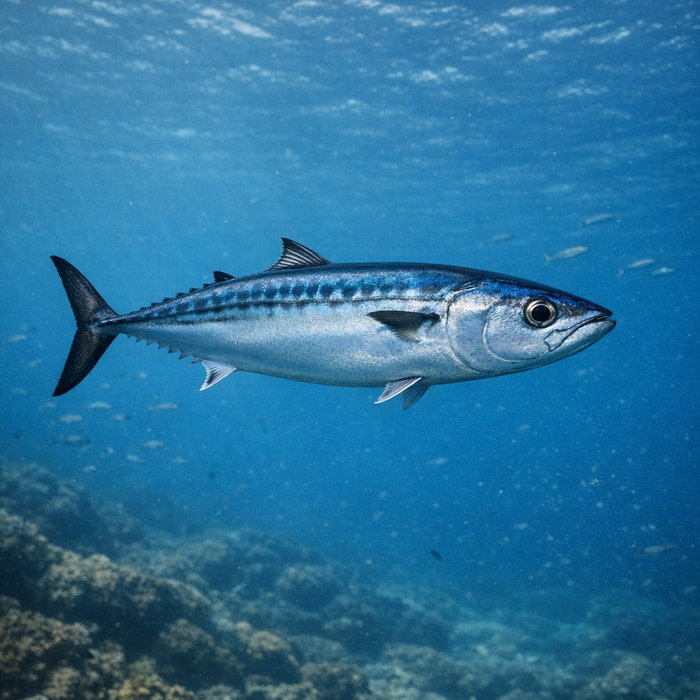
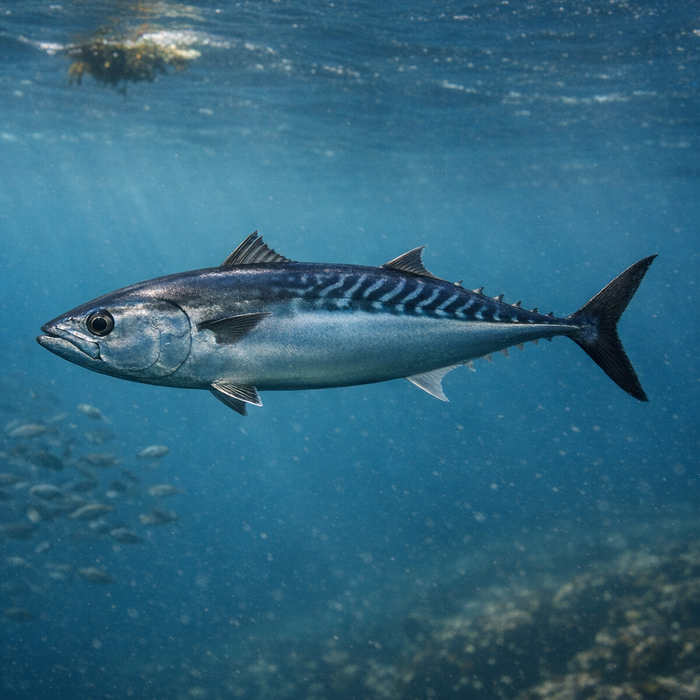
Southern bluefin tuna (thunnus maccoyii): A Bold, Memorable Hook Line Introduction Southern bluefin tuna are the heavyweight sprinters of the southern oceans, built like torpedoes and wired to run. When they crash a spread, everything on deck gets loud fast. Drags howl, crews scramble, and one wrong move turns a hero story into a broken-rod sob session. If youre here hunting Southern bluefin tuna facts or wondering about Southern bluefin tuna habitat, settle in. This fish is a masterclass in power, endurance, and stubbornness. What Makes the Southern bluefin tuna Unique? For starters, southern bluefin tuna are warm-blooded in all the ways that count. They keep muscles hot, eyes and brain warm, and swing from surface to abyss without bogging down. Unlike their cousins, they spawn in just one known area of the eastern Indian Ocean, making the whole species oddly centralized despite a globe-trotting lifestyle. Add in a top-tier sashimi reputation and you get a fish thats prized by anglers and commercial fleets alike. Habitat & Global Range The southern bluefin tuna lives a temperate-life on the move. Think sweeping arcs around the Southern Hemisphere: Great Australian Bight, Tasmanias edges, New Zealands offshore trenches, and sometimes out toward South Africa and the South Atlantic. Theyre pelagic specialists that haunt currents, eddies, and color changes where bait stacks and oxygen, temperature, and salinity create easy ambush lanes. If you picture Southern bluefin tuna habitat, picture big ocean highways and intersections, not reefs or rocks. The continental shelf breaks, frontal lines, and the busy water between hot and cold are their natural grocery stores. Behavior & Temperament Southern bluefin travel as schools when younger, then grow moody and more selective with age. Theyll rocket on a lure one minute and ghost you the next. Speed is a given, but the fight is their signature move: long bulldog circles under the boat, steady arcs that test crimps, patience, and lower backs. They feed up and down the column, crushing saury topside one day and yo-yoing on squid 300 meters down the next. They favor dawn and dusk but will light up anytime currents and bait cooperate. Ecological Importance As apex predators, southern bluefin tuna stitch together entire temperate food webs. They move nutrients between regions, sculpt bait distributions, and support armies of seabirds and marine mammals that shadow their migrations. Remove them and you dont just lose a fish; you unravel a traveling carnival of life that depends on their relentless movement. Conservation & Environmental Pressures Southern bluefin tuna were hammered for decades. Strict international management and quotas have nudged the stock upward, but recovery is slow because they mature late and spawn in a single region. Bycatch, illegal take, and environmental shifts still complicate the picture. The best move for anglers: respect bag and size rules, keep giants in the water when possible, and treat released fish like they matter. Because they do. The FishyAF Take Chasing southern bluefin tuna isnt casual. Its fuel burned, weather gambled, and a backbrace you pretend you dont need. The fish themselves are brutally honest critics. Your spread is either right or wrong. Your knots are either perfect or about to get graded at 30 pounds of drag. When it all clicks, the payoff is pure chaos and grins. If you want a clean test of seamanship, teamwork, and heavy-tackle discipline, southern bluefin tuna deliver every time.