Wahoo (Acanthocybium solandri): The Speed Demon of the Open Ocean That’s as Sharp as Its Teeth
The wahoo is not your average game fish. With a sleek, torpedo-shaped body built for speed and a mouth full of razor-sharp teeth, this predator commands respect from anglers and marine life alike. Known for explosive bursts of velocity and a taste that’s prized in kitchens worldwide, the wahoo is a standout species in the open ocean. If you want to understand what makes this fish a top-tier hunter and a trophy catch, you’re in the right place.
What Makes the Wahoo Unique?
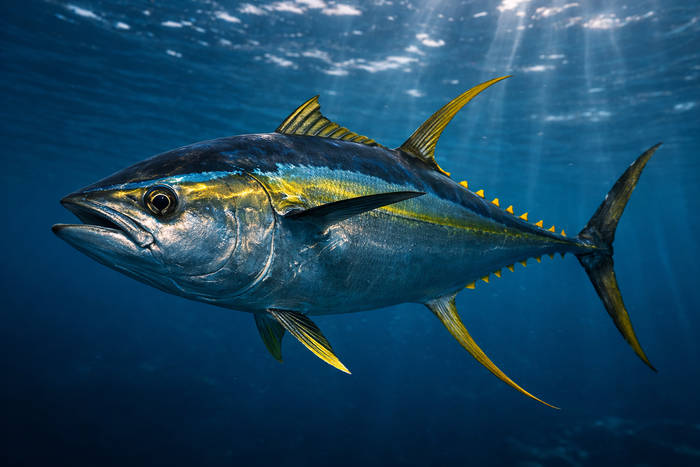
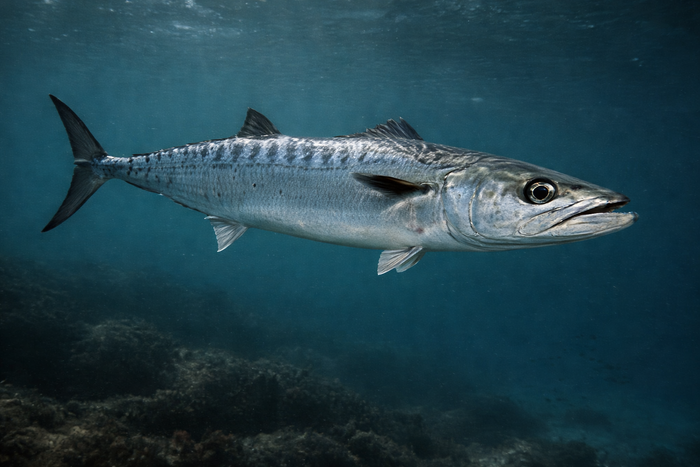
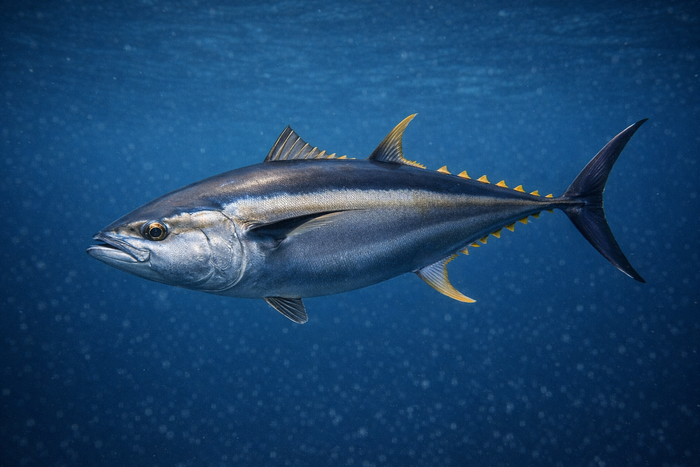
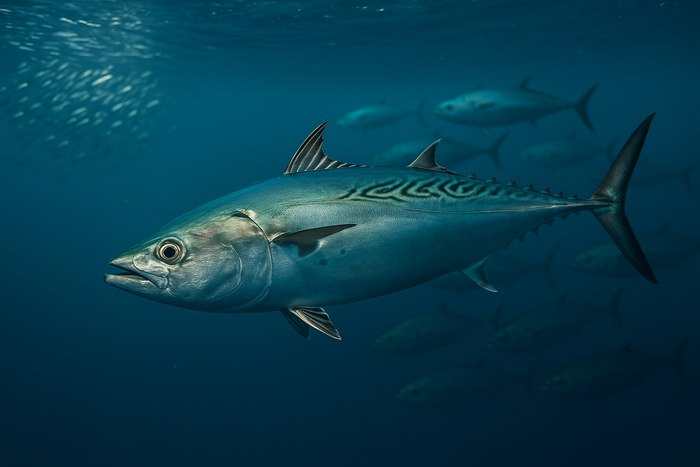
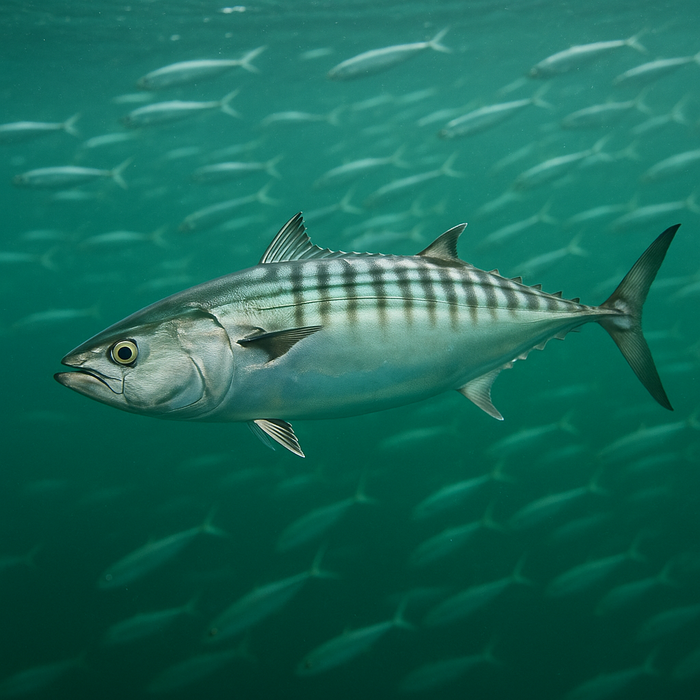
Wahoo are speed machines. They can hit speeds up to 60 miles per hour, making them one of the fastest fish in the ocean. Their streamlined bodies and powerful tails are designed for quick, agile movements, allowing them to chase down fast-swimming prey with ease. Unlike many pelagic predators, wahoo have a distinctive pattern of vertical blue stripes running along their silvery sides, which helps break up their outline underwater.
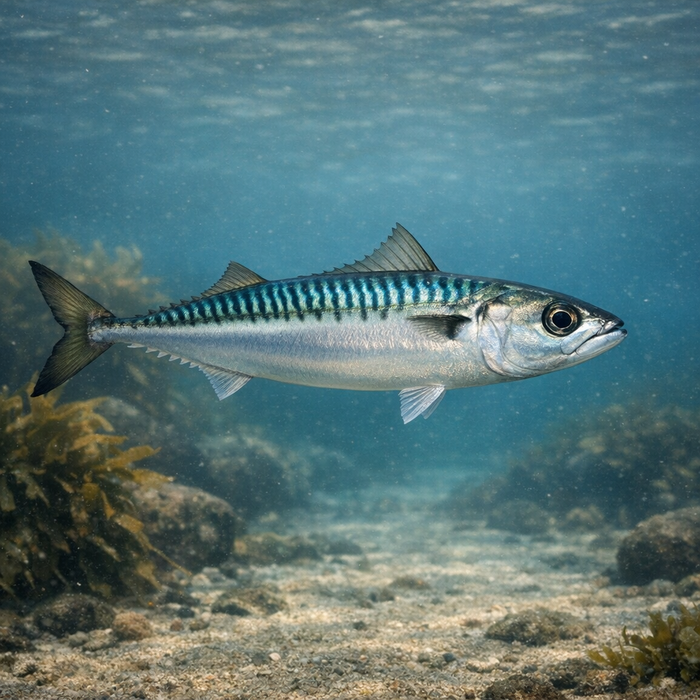
Their teeth aren’t just for show either. Wahoo have long, razor-sharp teeth set in a jaw that can snap shut with lightning speed. This combination of speed and weaponry makes them efficient hunters of smaller fish like sardines, mackerel, and squid. Their diet and hunting style place them high on the food chain, but they’re not mindless killers—they’re selective and strategic, often hunting in bursts rather than constant chases.
Habitat & Global Range
Wahoo are true ocean nomads, inhabiting tropical and subtropical waters worldwide. You’ll find them cruising the Atlantic, Pacific, and Indian Oceans, often around offshore reefs, seamounts, and floating debris where prey congregates. Their preference for warm waters means they stick to temperatures between 20 and 30 degrees Celsius.
The wahoo habitat is typically open water, but they’re known to venture near coastal areas during certain seasons or when following baitfish schools. They’re highly migratory, traveling vast distances to track food sources and spawning grounds. This wide-ranging behavior makes them a favorite target for sport fishermen in regions from the Caribbean to Hawaii and beyond.
Behavior & Temperament
Wahoo are solitary hunters, rarely seen schooling except during spawning or when chasing large baitfish schools. Their hunting technique involves rapid bursts of speed to ambush prey, relying on surprise and precision rather than endurance. This makes them challenging targets for anglers who need to be quick and strategic.
Despite their aggressive hunting style, wahoo are not known to be territorial or overly aggressive toward humans. They can be curious but tend to avoid confrontation unless provoked. Their temperament in captivity or when hooked is feisty, often putting up a spectacular fight that tests the angler’s skill and gear.
Ecological Importance
As apex predators in their environment, wahoo play a crucial role in maintaining the balance of pelagic ecosystems. By preying on smaller fish and squid, they help regulate populations and prevent any single species from dominating the food web. This top-down control supports biodiversity and healthy ocean dynamics.
Wahoo also serve as prey for larger predators like sharks and billfish, linking different trophic levels. Their presence indicates a healthy, functioning marine ecosystem, especially in offshore habitats where food chains are complex and interconnected.
Conservation & Environmental Pressures
Wahoo populations face pressures from overfishing and habitat changes, though they are not currently classified as endangered. Their popularity among commercial and recreational fisheries means that sustainable management is critical. Overharvesting can disrupt local populations, especially in areas where spawning aggregations occur.
Environmental threats like ocean warming and pollution also impact wahoo habitat. Changes in water temperature can alter prey availability and migration patterns, while pollution affects water quality and the health of marine ecosystems. Responsible fishing practices and habitat protection are essential to ensure wahoo remain a vibrant part of the ocean’s biodiversity.
The FishyAF Take
Wahoo are the ultimate ocean speedsters—fast, fierce, and fascinating. Their unique combination of speed, sharp teeth, and strategic hunting makes them a standout species in the pelagic world. For anglers, they offer a thrilling challenge and a delicious reward. For ecologists, they’re a vital piece of the marine puzzle, helping keep ocean ecosystems balanced and healthy.
Understanding wahoo facts and their habitat is more than trivia; it’s a window into the dynamics of open ocean life. Protecting these fish means preserving the wild, fast-moving heart of the sea. If you want a fish that embodies power, precision, and a touch of oceanic mystery, the wahoo is your go-to. Keep your gear ready and respect their space—this is one fish that demands both skill and admiration.