King Mackerel (Scomberomorus cavalla): The Ocean’s Speed Demon with a Taste for Adventure
If you’re chasing a fish that combines raw power, speed, and a reputation for putting up one hell of a fight, the King Mackerel is your target. Known for its sleek, torpedo-shaped body and razor-sharp teeth, this predator rules the coastal waters with a mix of aggression and agility. Whether you’re a seasoned angler or just curious about the ocean’s top hunters, King Mackerel facts reveal a species that’s as fascinating as it is formidable.
What Makes the King Mackerel Unique?
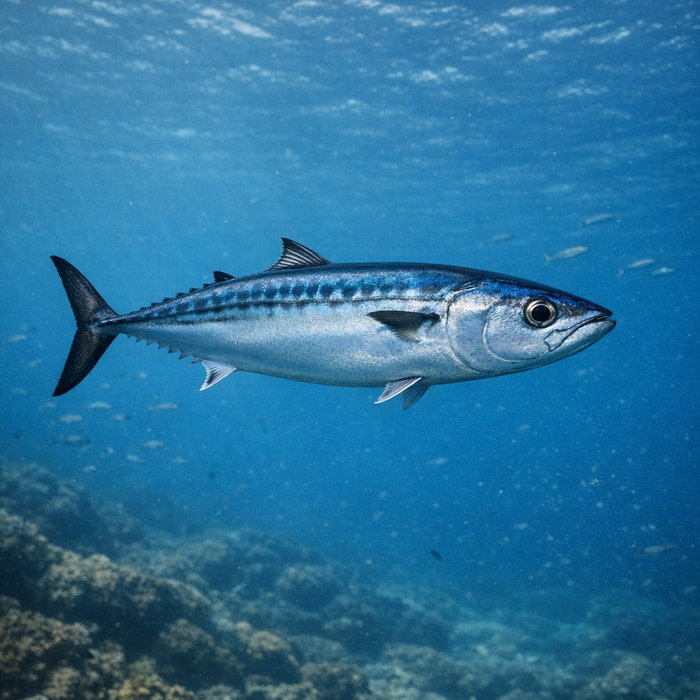
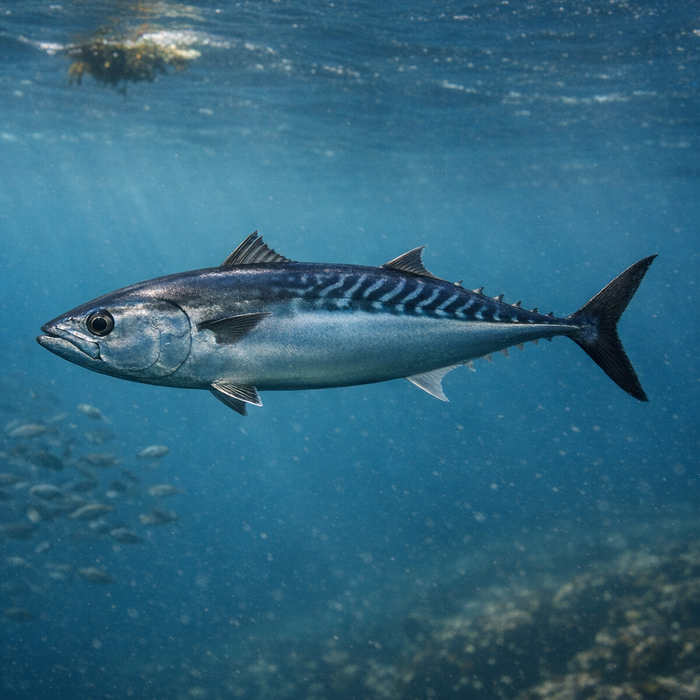
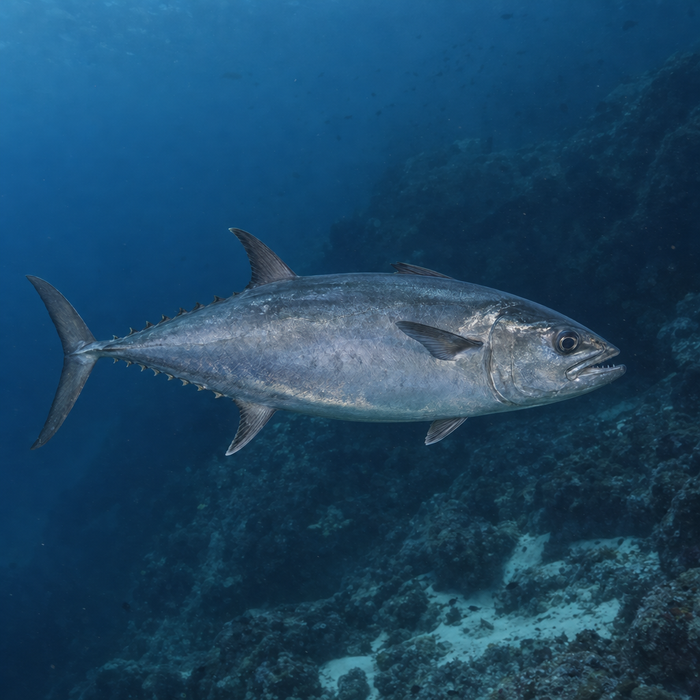
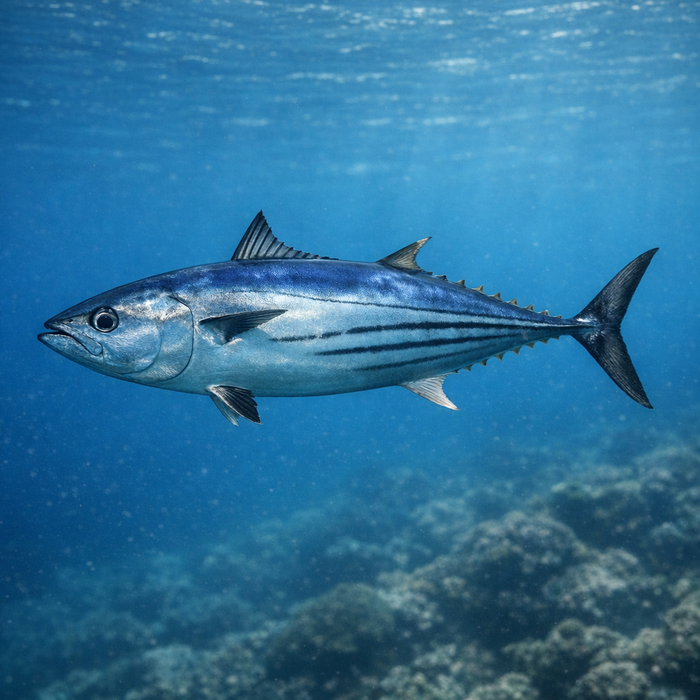
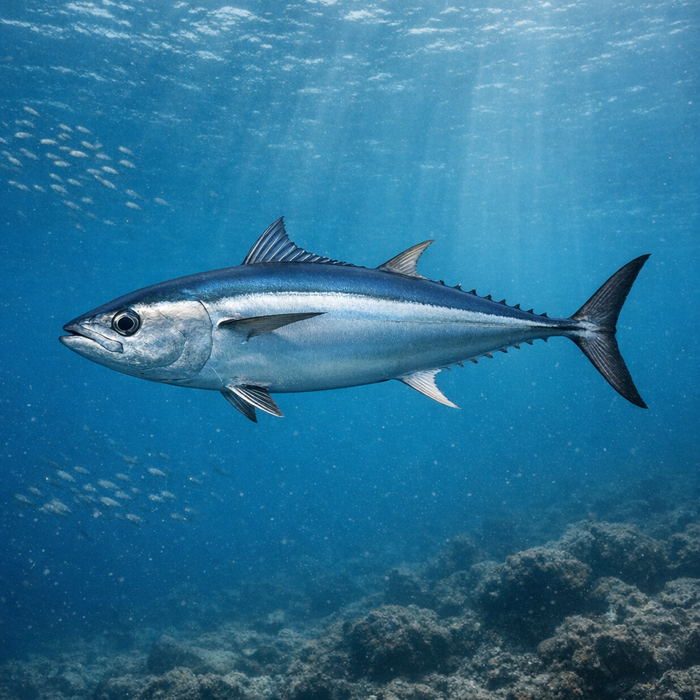
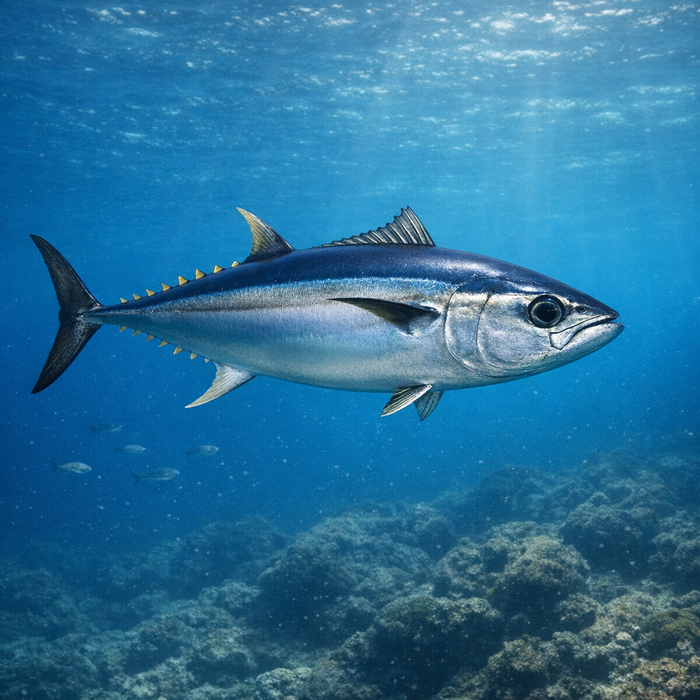
King Mackerel stands out in the mackerel family for its size, speed, and hunting style. Unlike its smaller cousins, it can grow impressively large, making it a prized catch for sport fishermen. Its body is built for speed, with a streamlined shape and powerful tail that can propel it through the water at blistering speeds. The King’s sharp, dagger-like teeth aren’t just for show—they slice through prey with surgical precision.
One of the most notable King Mackerel facts is its ability to regulate its body temperature to some extent. This partial endothermy allows it to maintain muscle efficiency in cooler waters, giving it an edge over slower, cold-blooded prey. This biological tweak makes it a relentless hunter across a range of temperatures and depths.
Habitat & Global Range
King Mackerel habitat spans the western Atlantic Ocean, from the cooler waters off New England down through the Gulf of Mexico and along the coasts of Central and South America. They prefer warm, coastal waters but are not strangers to offshore environments. These fish are often found near reefs, wrecks, and other underwater structures that attract baitfish.
Seasonal migrations are a hallmark of King Mackerel behavior. They move northward in the summer months to exploit abundant food sources and retreat southward as temperatures drop. This migratory pattern is tightly linked to water temperature and prey availability, making the King a dynamic presence in its range.
Behavior & Temperament
King Mackerel are aggressive predators with a hunting style that’s both strategic and brutal. They rely on speed and surprise, often attacking schools of smaller fish with sudden bursts of velocity. Their sharp teeth and powerful jaws allow them to tear through prey quickly, minimizing struggle and maximizing energy efficiency.
In terms of temperament, King Mackerel are solitary hunters but can be found in loose groups when chasing baitfish. They are not territorial but are fiercely competitive when it comes to feeding. For anglers, this means a fight that’s fast, furious, and unpredictable. The King’s reputation for explosive runs and acrobatic leaps makes it a favorite among sport fishermen looking for a challenge.
Ecological Importance
King Mackerel play a crucial role as mid-level predators in their marine ecosystems. By preying on smaller fish like sardines, menhaden, and squid, they help regulate populations and maintain a balanced food web. Their presence influences the behavior and distribution of prey species, which in turn affects the broader ecological community.
Additionally, King Mackerel serve as prey for larger predators such as sharks and billfish. This dual role as both predator and prey positions them as a vital link in the ocean’s food chain. Healthy King Mackerel populations indicate a robust marine environment, making them a key species for monitoring ecosystem health.
Conservation & Environmental Pressures
Despite their resilience and adaptability, King Mackerel face several environmental pressures. Overfishing is a significant concern, especially in regions where commercial and recreational fishing overlap. Their popularity as a sport fish drives high catch rates, which can strain local populations if not managed properly.
Habitat degradation also poses risks. Coastal development, pollution, and climate change impact the warm-water habitats King Mackerel depend on. Changes in water temperature and prey availability due to shifting ocean conditions could alter their migratory patterns and feeding behavior.
Fortunately, fisheries management programs have implemented size limits, seasonal closures, and catch quotas to protect King Mackerel stocks. Continued monitoring and adaptive management are essential to ensure this species remains a sustainable resource for future generations.
The FishyAF Take
King Mackerel are the quintessential ocean speedsters—built for the chase and crowned with a killer instinct. Their blend of power, agility, and adaptability makes them a standout species in coastal waters. For anglers, they offer a thrilling challenge that demands respect and skill. For the ecosystem, they are a linchpin species, balancing the marine food web with precision.
Understanding King Mackerel facts and their habitat is more than just trivia; it’s a step toward appreciating and protecting a fish that embodies the wild spirit of the sea. If you want a fish that’s as bold as it is beautiful, the King Mackerel is your go-to predator. Just be ready for a fight that lives up to its regal name.