Yellowfin Tuna (Thunnus albacares): The Speed Demon of the Open Ocean
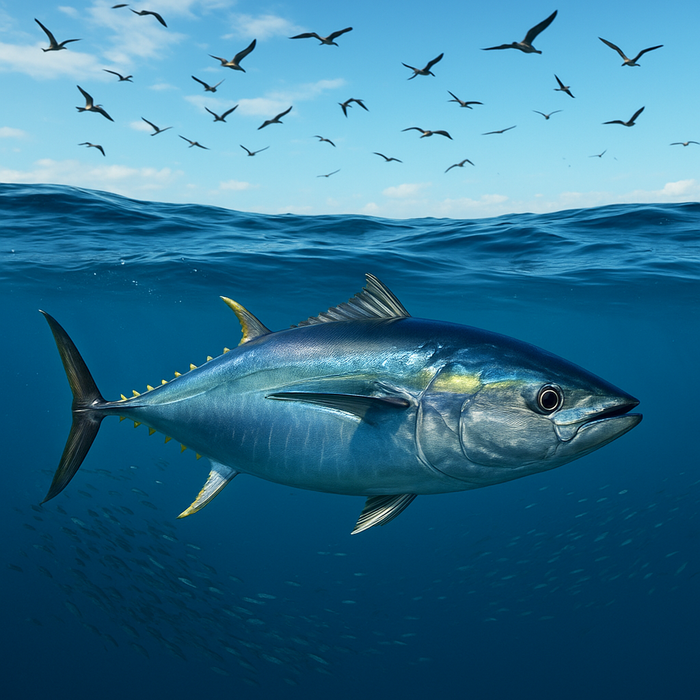
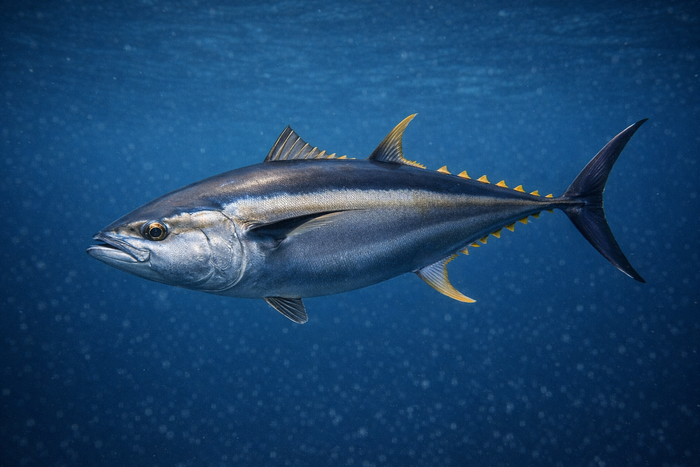
Yellowfin Tuna is the ocean’s high-performance athlete, built for speed, endurance, and a life spent slicing through vast blue highways. Known scientifically as Thunnus albacares, this species commands respect from both anglers and marine ecologists alike. It’s not just another fish in the sea; it’s a powerhouse predator with a sleek, torpedo-shaped body and those unmistakable bright yellow fins that give it its name. Whether you’re chasing Yellowfin Tuna facts or curious about their habitat, this guide dives deep into what makes these fish so remarkable.
What Makes the Yellowfin Tuna Unique?
Yellowfin Tuna stands out in the tuna family thanks to its combination of speed, size, and physiology. Unlike many fish, it can regulate its body temperature, allowing it to stay active in cooler waters and hunt efficiently. This thermoregulation gives it an edge over prey and competitors. Its streamlined body, paired with long, bright yellow dorsal and anal fins, isn’t just for show—it’s a design optimized for rapid bursts of speed and long-distance travel.
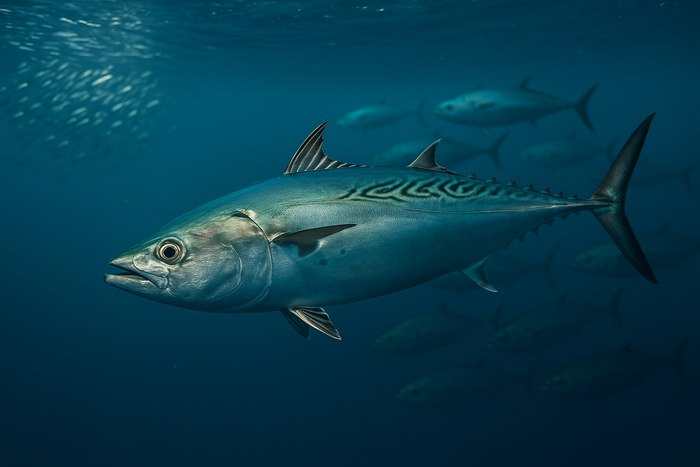
Another unique feature is its social behavior. Yellowfin Tuna often travel in large schools, sometimes mixing with other tuna species. This schooling behavior enhances their hunting efficiency and offers protection from predators. Their diet is diverse, including smaller fish, squid, and crustaceans, making them adaptable hunters in various marine environments.
Habitat & Global Range
Yellowfin Tuna habitat spans tropical and subtropical oceans worldwide. They prefer the epipelagic zone, cruising near the surface but capable of diving to depths exceeding 300 meters. These fish are found in the Atlantic, Pacific, and Indian Oceans, thriving in warm waters typically between 18 and 31 degrees Celsius.
Their global range is vast, from the waters off the coast of California and the Gulf of Mexico to the western Pacific near Japan and Australia. Yellowfin Tuna are highly migratory, following ocean currents and seasonal changes in water temperature and prey availability. This wide distribution makes them a critical species for international fisheries and a key player in oceanic ecosystems.
Behavior & Temperament
Yellowfin Tuna are relentless hunters with a temperament that matches their speed. They are aggressive predators, often chasing down fast-moving prey with precision and stamina. Their schooling behavior is strategic, allowing them to coordinate attacks and confuse prey.
Despite their aggressive hunting style, Yellowfin Tuna are not territorial. They roam vast areas, often crossing international waters, which complicates management and conservation efforts. Their rapid swimming ability, reaching speeds up to 75 kilometers per hour, helps them evade predators like sharks and larger tuna species.
In terms of interaction with humans, Yellowfin Tuna are prized targets for sport fishing due to their strength and fight. Commercially, they are a staple in global seafood markets, especially valued for sushi and sashimi.
Ecological Importance
Yellowfin Tuna play a pivotal role in marine food webs. As mid-to-top-level predators, they regulate populations of smaller fish and squid, maintaining balance in the ecosystem. Their predation helps prevent any one species from dominating, which supports biodiversity.
They are also prey for larger marine predators, including sharks, marlins, and killer whales, making them a crucial link in the oceanic food chain. The health of Yellowfin Tuna populations can indicate the overall condition of pelagic ecosystems, as they respond quickly to changes in prey availability and environmental conditions.
Conservation & Environmental Pressures
Despite their resilience and broad distribution, Yellowfin Tuna face significant threats. Overfishing is the most pressing issue, driven by high demand in commercial and recreational fisheries. Unsustainable fishing practices, such as longlining and purse seining, often result in bycatch of non-target species and juvenile tunas, undermining population stability.
Climate change also poses a threat by altering Yellowfin Tuna habitat. Rising ocean temperatures and shifting currents can disrupt migration patterns and prey availability. Additionally, ocean acidification affects the broader marine food web, indirectly impacting Yellowfin Tuna survival.
Efforts to conserve Yellowfin Tuna include international agreements and quotas, but enforcement remains a challenge due to their migratory nature. Sustainable fishing practices and improved monitoring are critical to ensuring this species remains abundant for future generations.
The FishyAF Take
Yellowfin Tuna is a species that demands attention—not just for its culinary value but for its ecological significance and sheer biological prowess. It’s a fish built for the extremes, capable of incredible speed and endurance, yet vulnerable to human pressures. Understanding Yellowfin Tuna facts and habitat is essential for anyone serious about marine conservation or fishing.
If you want to appreciate the ocean’s complexity, start with the Yellowfin Tuna. It’s a reminder that beneath the surface lies a world of precision engineering and evolutionary mastery. Protecting this species means protecting the health of the open ocean itself. So next time you hear about Yellowfin Tuna, think beyond the plate—think about the vital role it plays in the marine ecosystem and the urgent need to manage its future wisely.