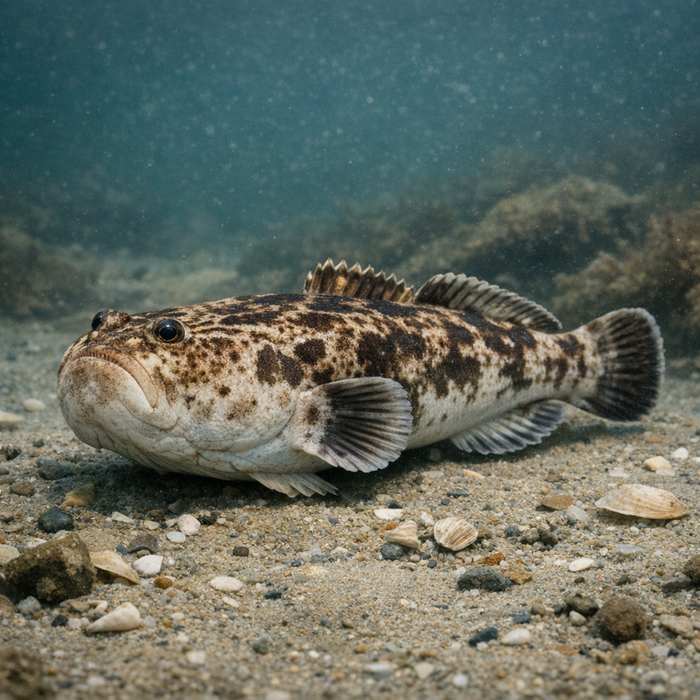
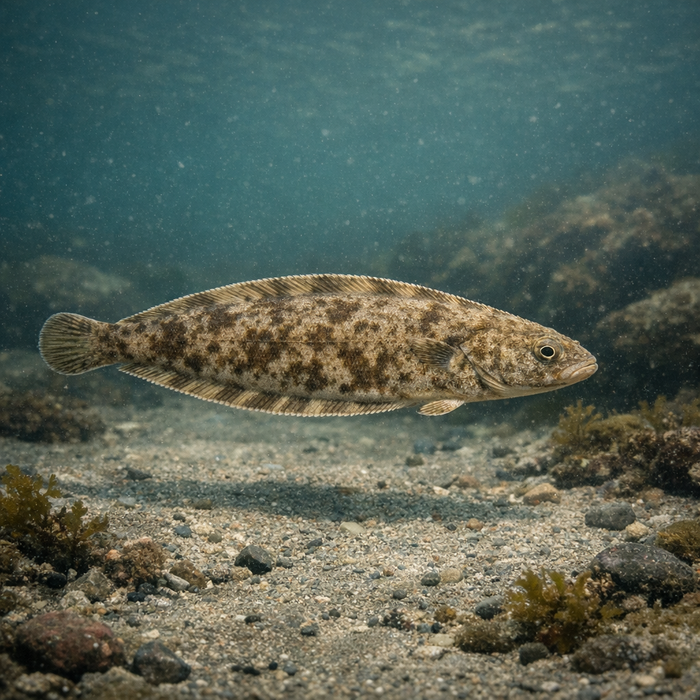
Smooth Stargazer (Kathetostoma averruncus): The sand ninja with eyes on the skyIntroductionThe Smooth stargazer is the fish world's booby trap: invisible until it isn't, then suddenly all jaw. While other species sprint or school or splash, this one wins by being patient, buried, and terrifyingly fast when it counts. If you've bumped into "monkfish" on a New Zealand menu, odds are you've already met its tasty alter ego. Looking for real-deal Smooth stargazer facts and why anglers whisper about venomous spines and vacuum strikes? Pull up a chair.What Makes the Smooth stargazer Unique?First, that face. The Smooth stargazer points everything upward: eyes on top, a huge upturned mouth, and a skull built like a hydraulic pump. It buries in sand with only a periscope of eyes and lip showing, then inhales prey with a sudden buccal expansion that turns water into a conveyor belt. Second, the "smooth" part isn't just a cute name. This species carries a slick, mostly scaleless head and sand-burnished finish that helps it vanish into ripple lines. Finally, it's a sleeper heavyweight. While not especially long, the body is dense, with thick fillets and a center of gravity that keeps it pinned during ambushes.Habitat & Global RangeThe Smooth stargazer lives the benthic life on sandy continental shelf bottoms across temperate Australia and New Zealand waters. Think open sand lanes, shell grit, and the edges of channels where current shapes dunes. It favors depths from inshore sand flats with some water under them to offshore shelf zones, happily holding wherever the bottom is soft enough to burrow and the traffic of baitfish stays steady. If you're mapping Smooth stargazer habitat, target sand next to structure rather than on it: troughs near reef margins, scoured patches along current seams, and the lee side of sand humps are a good sketch.Behavior & TemperamentThe Smooth stargazer is not a chaser; it's a trap. It will slide into the sand, disappear, and wait for silhouettes or vibrations overhead. When something edible wanders close, the strike is quick and vertical, a single gulp with a short surge rather than a long fight. They rarely school, preferring a lone-wolf routine with loose neighborhood spacing where food is reliable. They reposition often, rebury in seconds, and tend to feed best when current is moving but not ripping, and when light angles cast shadows across the bottom.Ecological ImportanceThese fish are bouncers for the benthos. By pruning small fish and invertebrates that linger too long over sand, Smooth stargazers help keep prey populations in check and energy flowing from the bottom into the broader food web. Their pelagic larval stage drifts offshore before settling, linking open water production with nearshore sand plains. In short, they're one of those unglamorous but pivotal cogs that keep shelf ecosystems humming.Conservation & Environmental PressuresAs a commercially landed "monkfish" in New Zealand and an occasional bycatch elsewhere, the Smooth stargazer navigates trawling pressure and the usual suite of shelf stressors: habitat disturbance, sediment plumes, and warming-driven shifts in prey. The species isn't currently flagged as high-risk, but it's exactly the kind of bottom dweller that benefits when fisheries keep an eye on bycatch reporting and habitat impacts. Good data helps; this fish doesn't generate headlines, so quiet declines could be easy to miss.The FishyAF TakeThe Smooth stargazer is the antithesis of flashy. It's a buried booby trap with a brawler's jaw and fillets that punch above their weight. For anglers, it's an honest, no-drama target: drop something meaty to the sand, keep it still, and pay attention. You won't get aerials or long runs, but you will get a weird, wonderful creature that turns the seafloor into a stage trap. Handle the spines, mind the teeth, and respect the camouflage. If you like your fish with a side of "what the hell is that," the Smooth stargazer belongs on your short list for both curiosity and cuisine. And if you're mining the internet for Smooth stargazer habitat tips or obscure Smooth stargazer facts, here's the spoiler: find the sand that feeds, then fish it like you mean it.