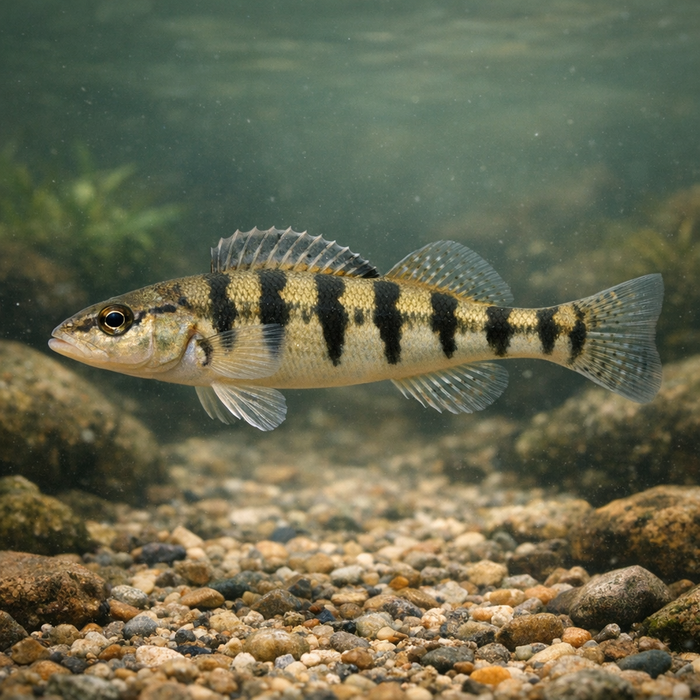
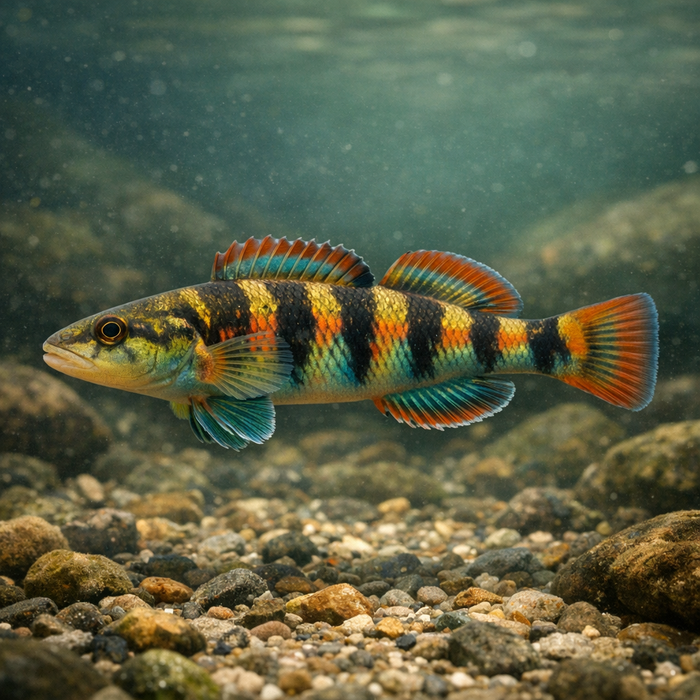
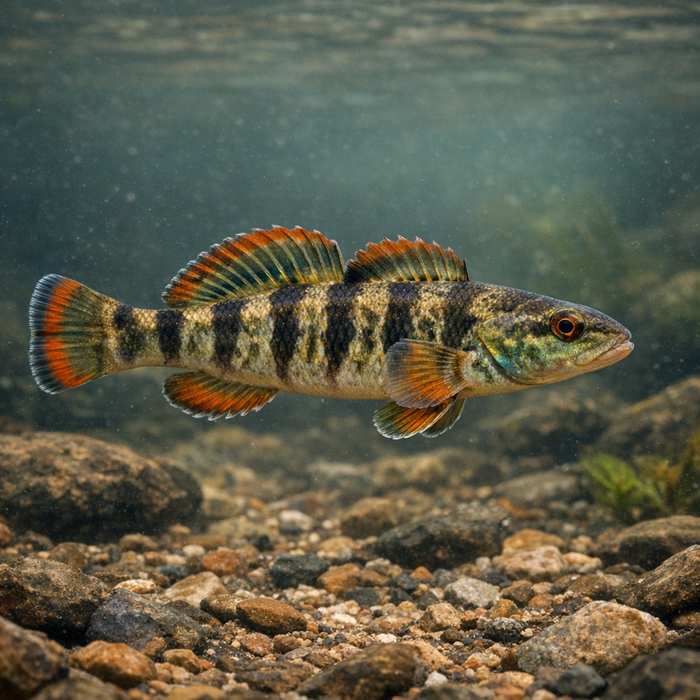
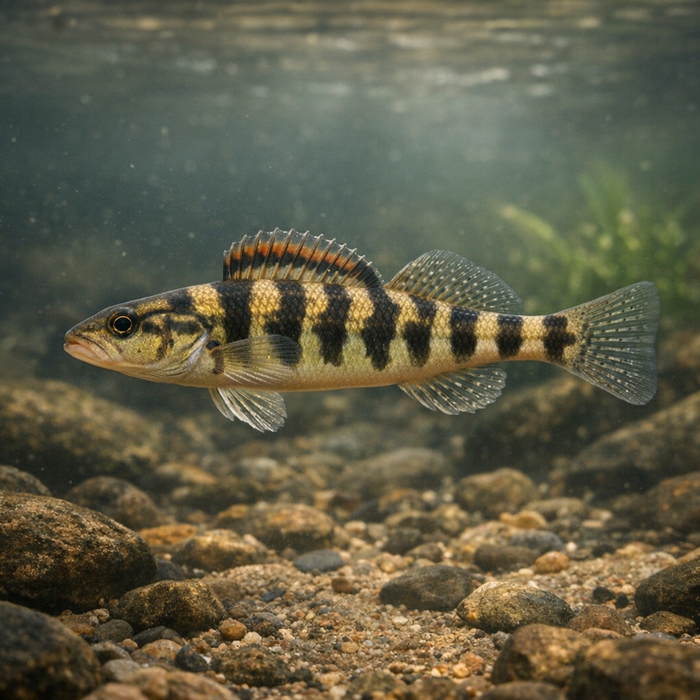
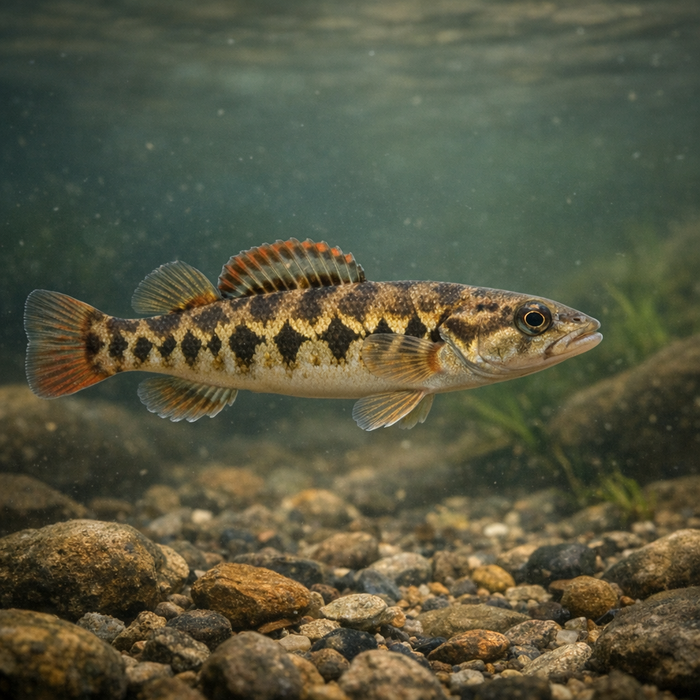
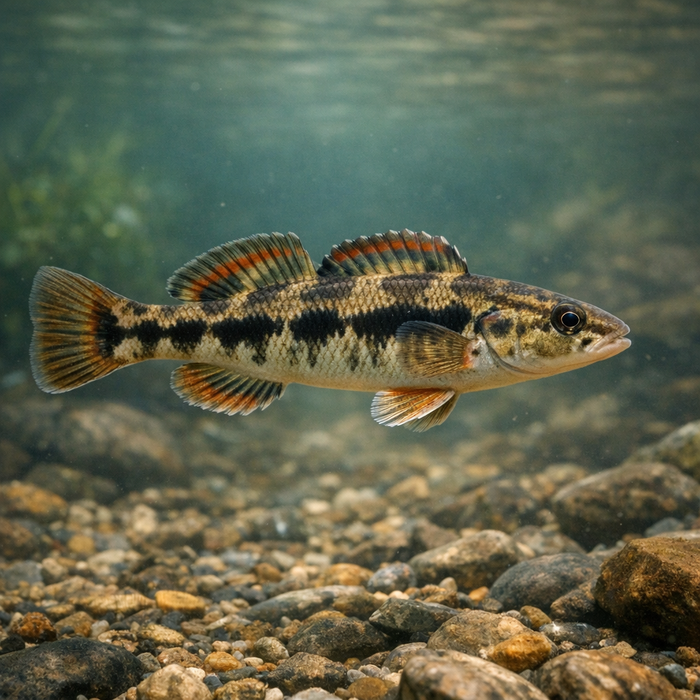
Snail Darter (Percina tanasi): Tiny Fish, Supreme Court-Sized StoryIntroductionThe snail darter is the little river fish that punched way above its weight. Barely longer than your pinky, it once rewired American conservation policy and turned a southeastern riffle dweller into national news. For anglers who like life-list challenges, micro presentations, and wild currents over clean gravel, the snail darter brings history, subtlety, and a surprising amount of personality in a fun-sized package.What Makes the Snail darter Unique?First, fame. The snail darter became the symbol of Endangered Species Act power during the Tellico Dam controversy, where one very small fish asked very big questions about rivers and progress. Second, design. Like other darters, it's a bottom-sitter built for fast water: wide pectoral fins splay like kickstands, coloration breaks up its outline, and a reduced swim bladder keeps it glued to the substrate instead of drifted away. Third, niche. While it takes small aquatic invertebrates of many stripes, the snail darter does nibble tiny snails, a quirky diet note that gave it its memorable common name.Habitat & Global RangeIf you're searching "Snail darter habitat," think southeastern streams, not sprawling lakes. The species occurs within the Tennessee River system, occupying clear, cool runs and riffles over pea-gravel and cobble. Depth is usually shin-deep to knee-deep, with an honest current that scrubs silt off rock. It's a habitat that rewards clean water and consistent flow, and punishes neglect instantly. Translocations broadened its foothold into additional tributaries, so multiple rivers now sustain this fish without handholding.Behavior & TemperamentSnail darters are sit-and-strike operators. They hold low, facing into current, and make quick darts to intercept drifting morsels. Aggression is low by sportfish standards; they're careful, keyed to micro-food, and easily spooked by clumsy wading. Expect tight home turf. They're not cruisers of long pools so much as riffle residents that slide a few yards to the next sweet patch of gravel. Spawning hits early spring as water cool-warms through the fifties, with eggs laid among clean stones where oxygen is strong and silt is scarce.Ecological ImportanceThis fish might be small, but it's a neon sign for river health. A thriving snail darter run screams clean gravel, steady current, and stable watershed practices. Because they rely on specific substrates and flows, they're the classic canary in the riffle, reflecting both water quality and river engineering choices. Invertebrate predation connects them upward to larger predators, and their presence says as much about a stream's future as any lab test.Conservation & Environmental PressuresSnail darter facts start with history but end with habitat. Dams, channelization, and sedimentation nearly erased them from key strongholds. Smart translocations, better flow management, and long-term protection fueled a rebound, culminating in a well-deserved delisting from federal protection. That said, the job isn't finished. Their fate still rides on gravel staying clean, banks staying intact, and storm events not flushing silt into every seam. Vigilance is the admission price for keeping this comeback story real.The FishyAF TakeIf there's a fish that proves "small doesn't mean simple," it's the snail darter. You don't muscle these; you out-sneak them. The best anglers show up like a heron, read current like braille, and drift thread-sized offerings inches off the rocks. Catching one isn't about hero shots; it's about respecting the riffle and the saga behind it. Nail a clean ID, take a quick photo, and smile knowing you just met a fish that once changed the course of a river-and a country. That's bucket-list material, no matter the scale.