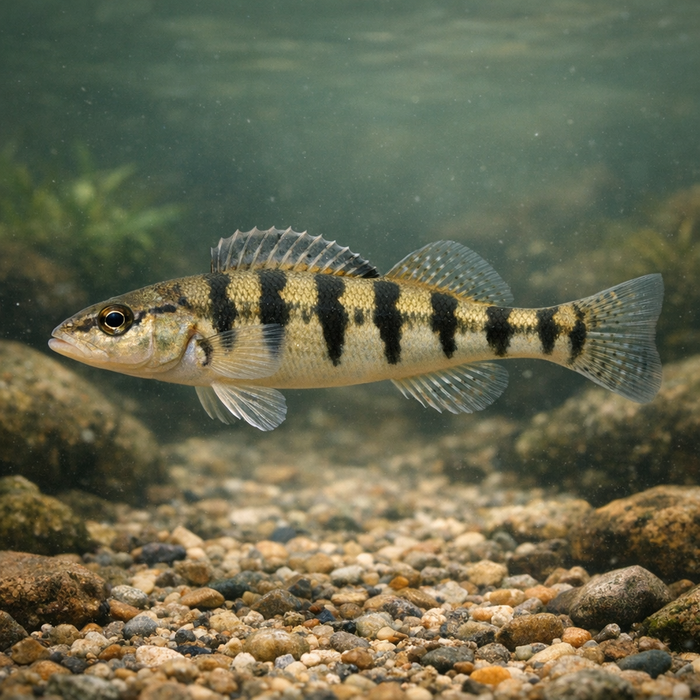
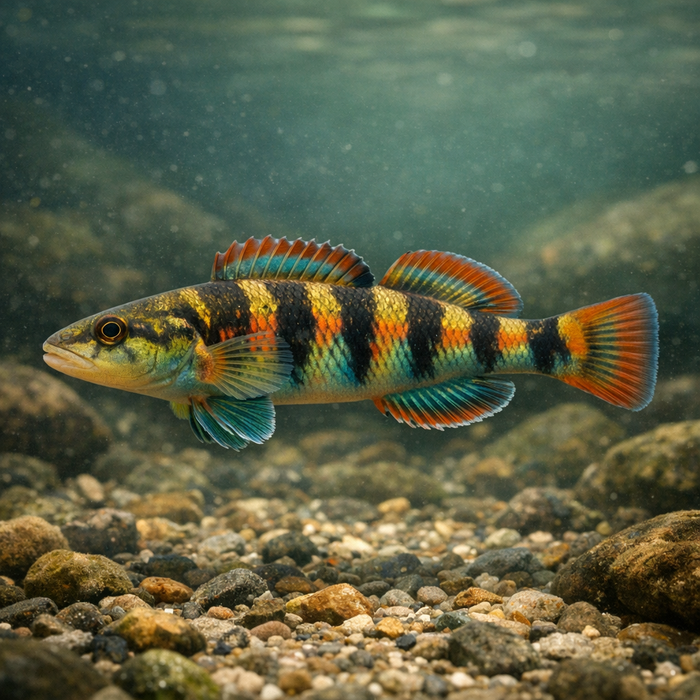
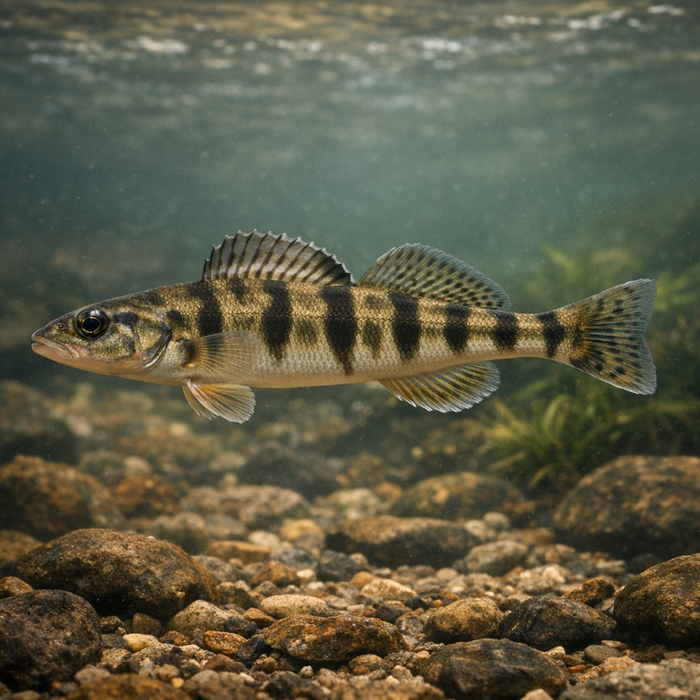
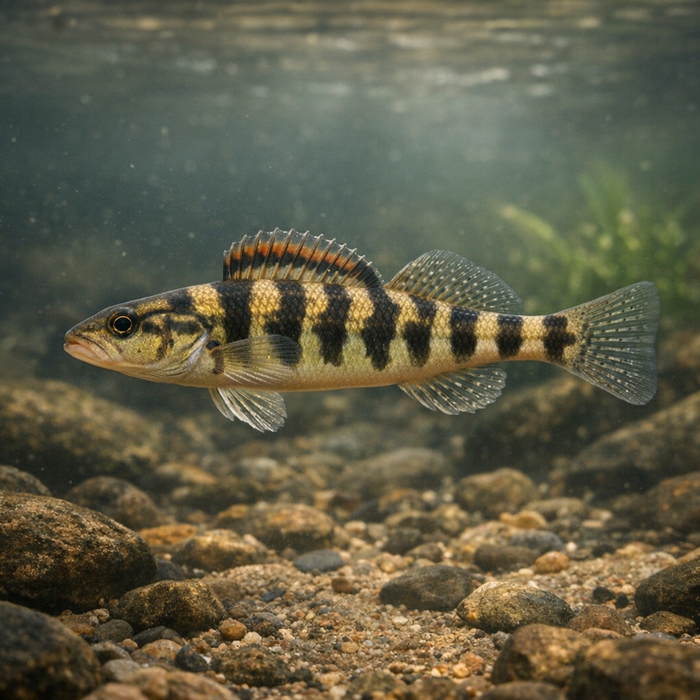
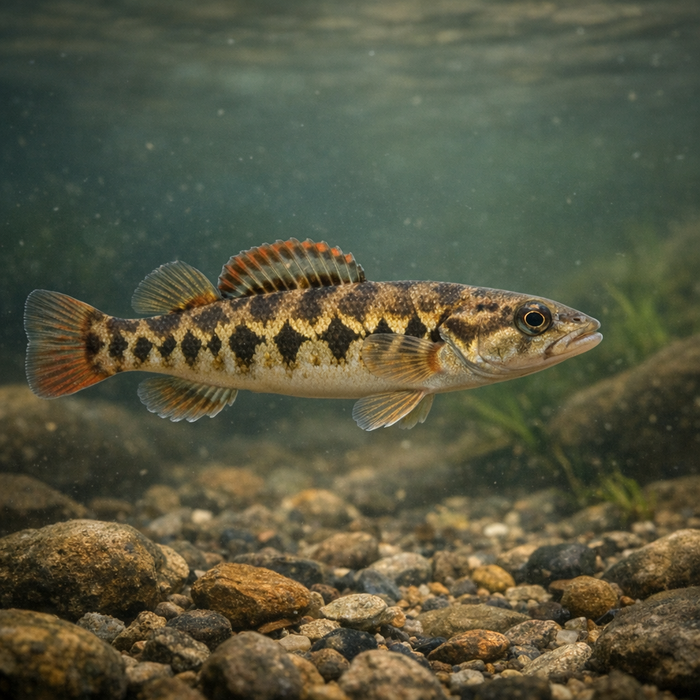
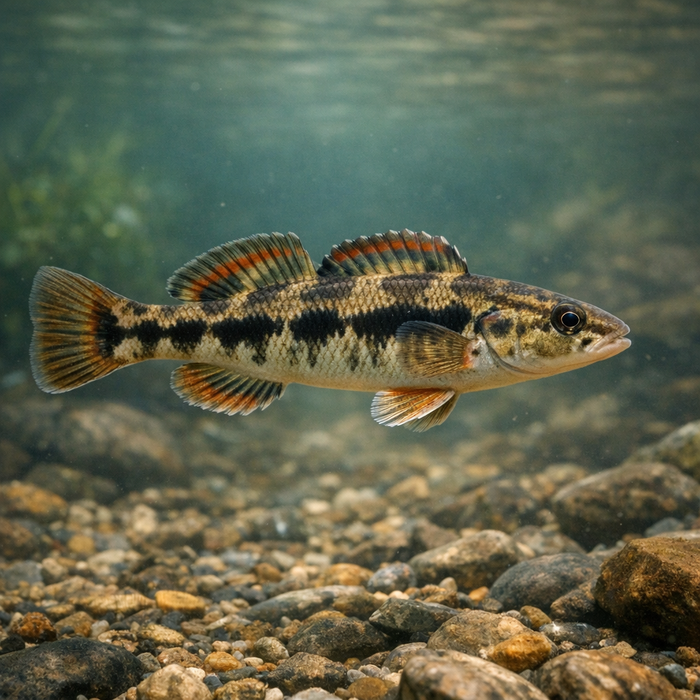
Tuscumbia Darter (Etheostoma tuscumbia): Alabama's spring-run ankle-biter with serious attitudeIntroductionThe Tuscumbia darter is proof that small fish can have big personality. It's a bottom-hugging specialist from the Tennessee River drainage that sticks to clear, steady spring water like velcro on gravel. Anglers into lifelisting and microfishing chase this pint-size prize more for the challenge and the scenery than the fight. If you want Tuscumbia darter facts that actually help you find one, start with the water: constant-flow springs, squeaky-clean substrate, and just enough current to ruffle your bootlaces.What Makes the Tuscumbia darter Unique?Two things define this species. First, it's a stone-cold spring addict. The Tuscumbia darter favors spring runs with near-constant temperature and clarity, which keeps it anchored to a tiny map. Second, the fish is built for the bottom. Like many darters, it sports a reduced swim bladder, wide pectorals, and an elongated profile that lets it perch, burst, and brake without drifting an inch. During spawning, males switch on flashy bars and fins, and defending a palm-sized patch of gravel becomes a full-contact sport.Habitat & Global Range"Tuscumbia darter habitat" isn't just a phrase; it's a bullseye. Think limestone springs spilling into shallow, stony creeks within the Tennessee River system of north Alabama. The water is clear enough to count cobbles and typically hovers near 60 degrees year-round. Depth is ankle to knee most days, with tiny riffles feeding pocket pools and undercut edges. They cling to clean gravel and small cobble where flow oxygenates the bottom and keeps silt from smothering eggs. Range-wise, we're not talking multi-state sprawl. This fish is a homebody with a micro-range linked to particular spring complexes, which is why you don't bump into them outside that corner of the Southeast.Behavior & TemperamentDespite the name, darters don't roam far. The Tuscumbia darter holds position on the bottom and ambushes invertebrates drifting by. It's skittish in bright, open shallows but can be surprisingly bold when current and cobble give cover. Courtship looks like a flashing-lights parade: fin-flicks, color pops, and quick body checks before eggs are tucked into tight crevices. They don't school in big boisterous packs; think scattered singles and pairs with small territories. Hook the occasional one and you'll feel more wiggle than wallop, but the satisfaction comes from the stalk and the clean presentation in tricky, clear water.Ecological ImportanceThis species is a tiny but loud voice in the spring-run choir. The Tuscumbia darter helps convert invertebrate production into fish biomass and feeds larger stream predators. More importantly, its presence telegraphs water quality. If you can see a Tuscumbia darter perched on clean gravel, odds are the spring is doing its job: cool, clear, and well oxygenated. Siltation, nutrient spikes, or flow disruptions show up fast in darter country because eggs and fry need open pores between stones. Consider them bioindicators with paint-job flair.Conservation & Environmental PressuresSmall range plus specialized habitat equals vulnerability. The usual suspects apply: silt from development, groundwater withdrawals that mute spring discharge, and nutrient or chemical inputs that cloud clarity. Channel alteration that replaces gravel with embedded muck is a gut punch. While formal conservation status may vary by authority, most biologists treat spring-endemic darters as high-maintenance residents. Good news: protect the spring and the Tuscumbia darter bounces back quickly because it grows fast and breeds young. Bad news: clog the spring and that rebound window slams shut.The FishyAF TakeIf your fishing bucket list includes stealth missions, the Tuscumbia darter belongs on it. You won't need heavy gear or big-water bravado. You need patience, micro tackle, and the nerve to stalk knee-deep current where every shadow counts. This fish is a masterclass in reading substrate and subtle flow, and it rewards anglers who show up with finesse instead of ego. Want real Tuscumbia darter facts? Respect the spring, keep your boots off the redds, and snap a clean photo before a gentle release. The bragging rights aren't about size; they're about finding a needle in a sparkling, spring-fed haystack.