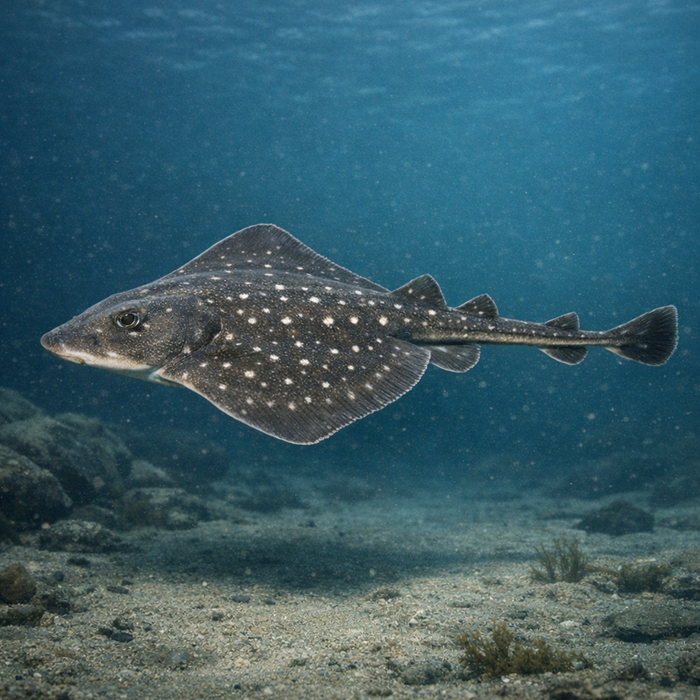
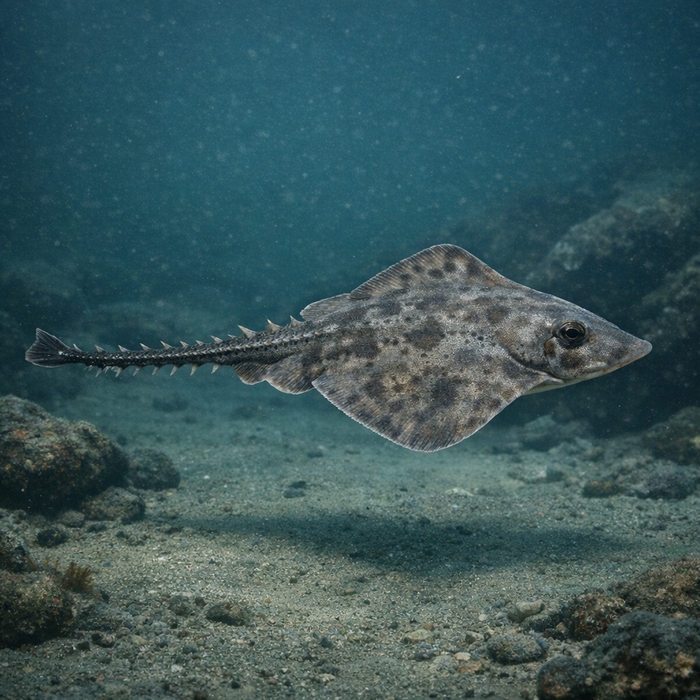
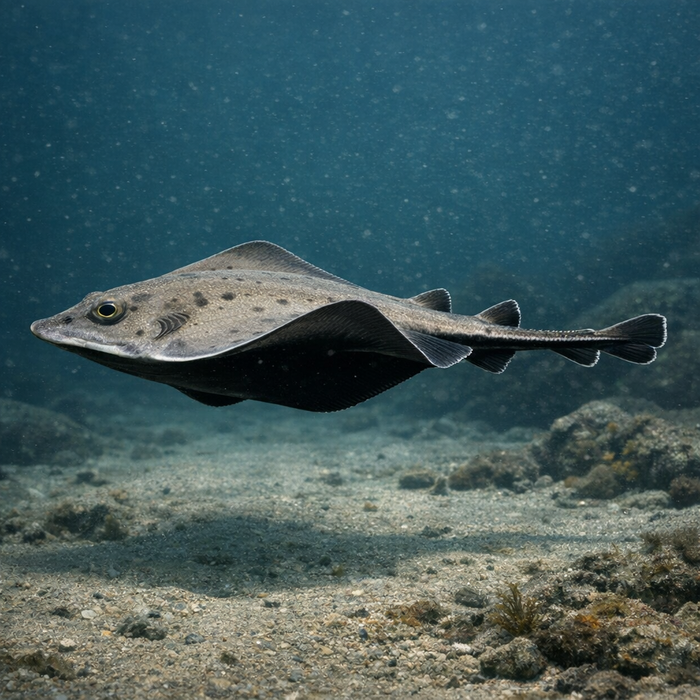
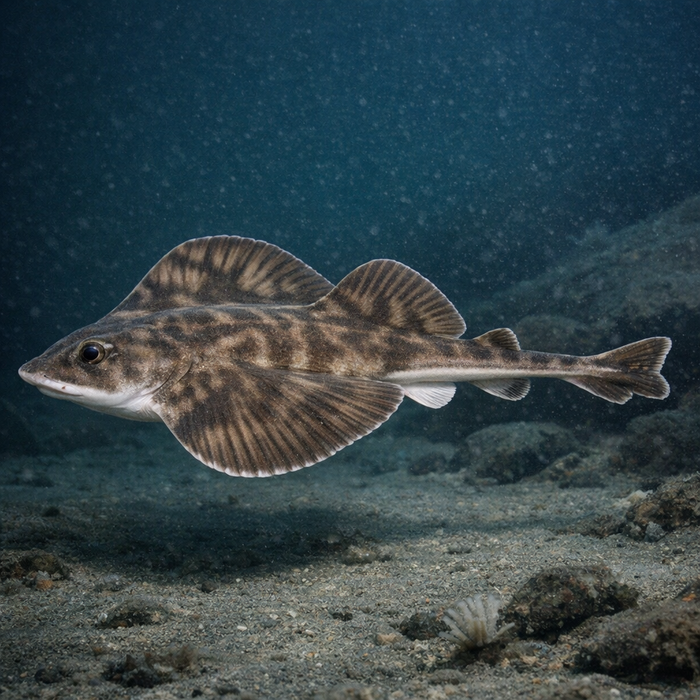
South American Freshwater Stingray (Potamotrygon motoro): A Bold, Memorable Hook LineIntroductionMeet the stingray that ditched the ocean and moved permanently inland. The South American freshwater stingray isn't your average river resident; it's an armored saucer with venom in the tail and radar in the face. Anglers chase them for the tug, the weird-factor, and the story you get to tell later when someone asks why your net has holes.What Makes the South American freshwater stingray Unique?Start with the look: ocellated spots ringed in yellow or orange that pop against chocolate-brown backs, like a leopard went scuba. Each South American freshwater stingray sports a one-off pattern, a natural barcode researchers use to ID individuals. Then there's the toolkit. They sense electric fields from buried prey, sift sand with powerful undulations, and breathe through top-mounted spiracles while buried, only eyes and a tail spine peeking out. And yes, that sting is real. The spine is serrated, venomous, and periodically replaced, so treat them with absolute respect.Habitat & Global RangeThe South American freshwater stingray haunts lowland river systems across the Amazon, Orinoco, and Paraná-Paraguay drainages. Think slow to moderate current, sandy or silty bottoms, backwaters, oxbows, and floodplain lagoons. During high water, they ghost into flooded forests, cruising among tree roots and leaf litter. As levels drop, they filter back to channels, sandbars, and gently sloping shorelines. If you are scouting South American freshwater stingray habitat, focus on quiet edges near current with a soft substrate that holds invertebrates and baitfish.Behavior & TemperamentThis is a bottom-hugger built for ambush. The South American freshwater stingray spends a lot of time buried, then glides outward to suction-crush clams, snails, and fish. When hooked, it goes stubborn before it goes wild, pinning to bottom, then powering into steady, tire-flattening runs. They're not especially social, though multiple rays may use the same feeding flat. Feeding windows often open at first light, last light, and through the night, especially when turbidity goes up.Ecological ImportanceCall it the cleanup crew with teeth. The South American freshwater stingray works over benthic communities, controlling invertebrates and recycling nutrients by excavating patches of substrate. Their digging aerates soft bottoms and exposes food for other fish. Meanwhile, those flashy spots are more than fashion; ocelli may break up the disc outline or mimic eyes to confuse would-be predators. As a resident top mesopredator, they knit together floodplain, channel, and backwater food webs.Conservation & Environmental PressuresThe species is widespread and locally common, but that doesn't mean bulletproof. Overharvest for the ornamental trade and unregulated take can dent local populations. Habitat fragmentation, dams that alter flow pulses, and water quality declines hit floodplain specialists hard. The South American freshwater stingray also draws unwanted attention because people fear the sting, leading to needless kills. Smart handling, targeted catch-and-release, and avoiding stress in warm, oxygen-poor conditions go a long way.The FishyAF TakeThe South American freshwater stingray is equal parts science experiment and street fight. It looks like art, lives where the jungle breathes, and fights like a wet anvil. If you want one, commit to the bottom game, bring real tackle, and show the animal respect. File this under South American freshwater stingray facts you can use: keep it submerged, support the disc, and never grab the tail. Chase them because they're weird, beautiful, and very much built for the river, and because telling your friends you caught a stingray in a jungle creek is simply a better story than yet another catfish. If you're craving more South American freshwater stingray habitat intel, remember this: find clean sand next to life and current, and you're in the neighborhood.