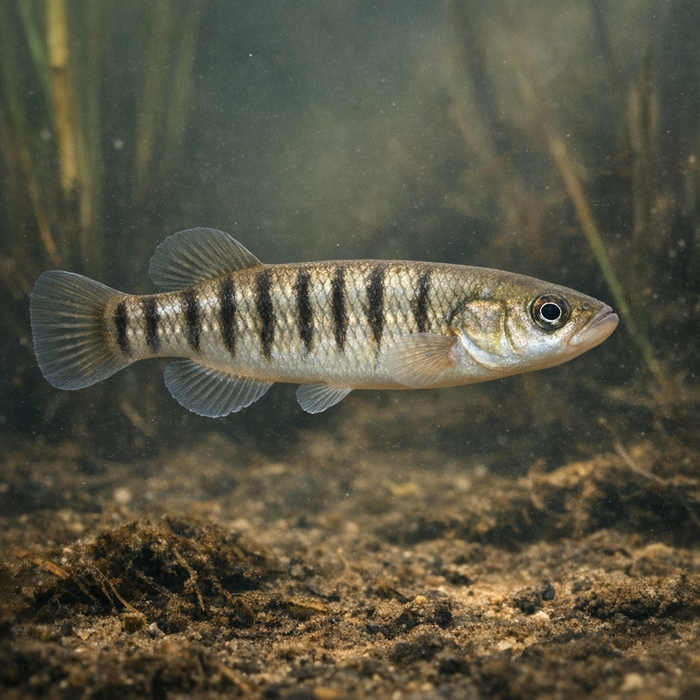
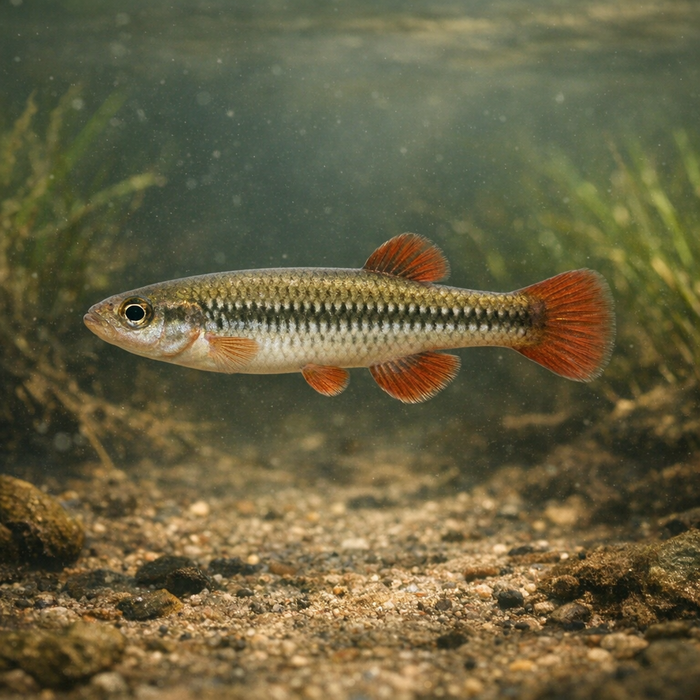
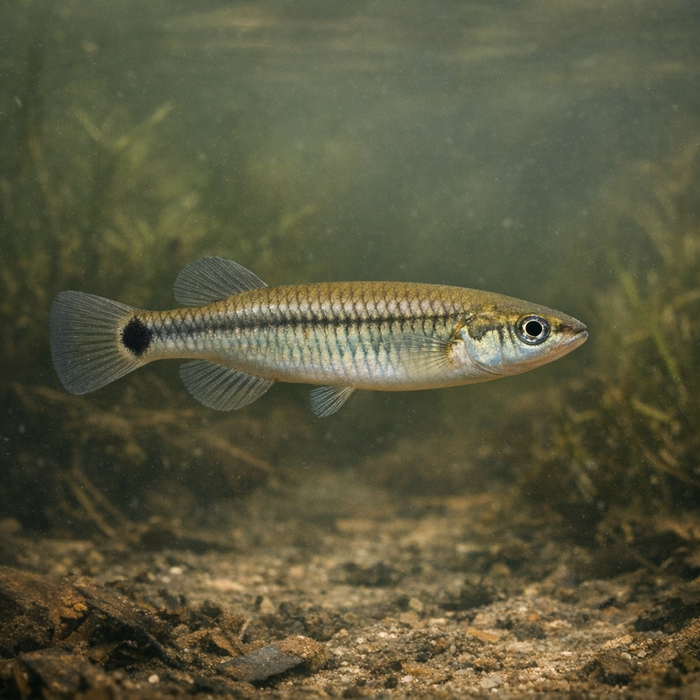
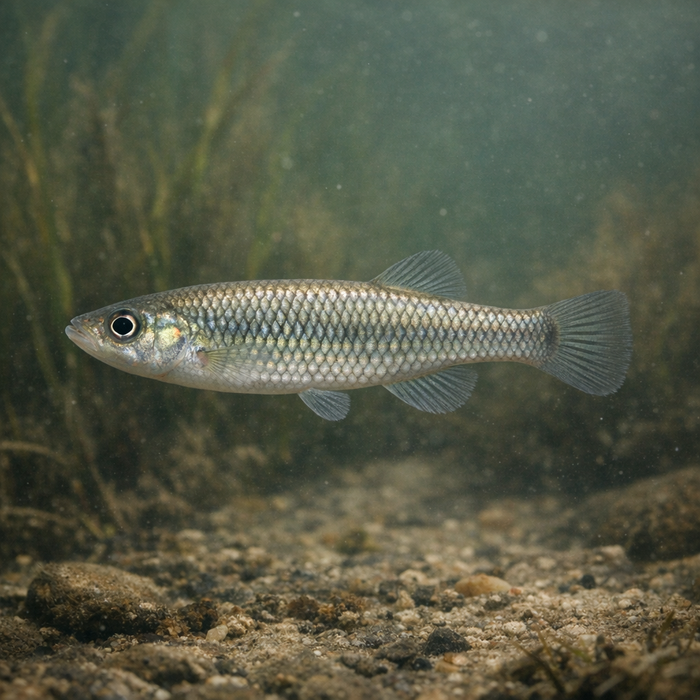
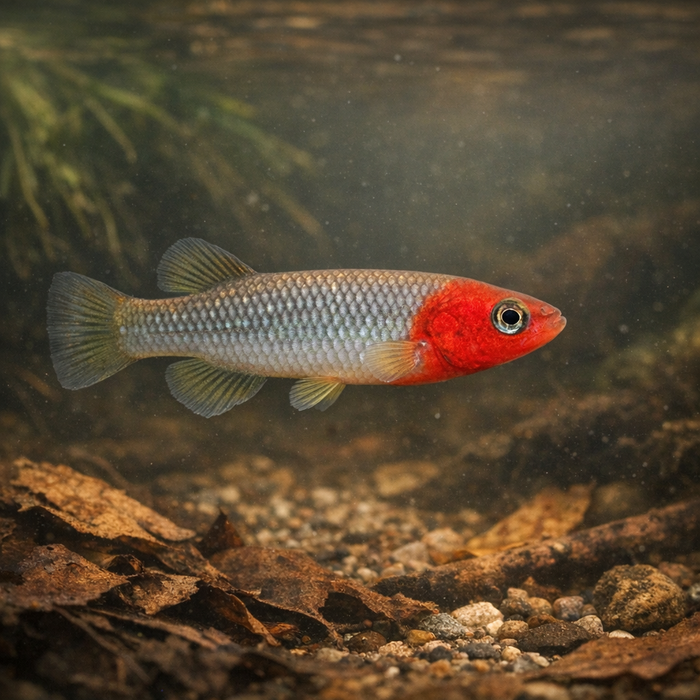
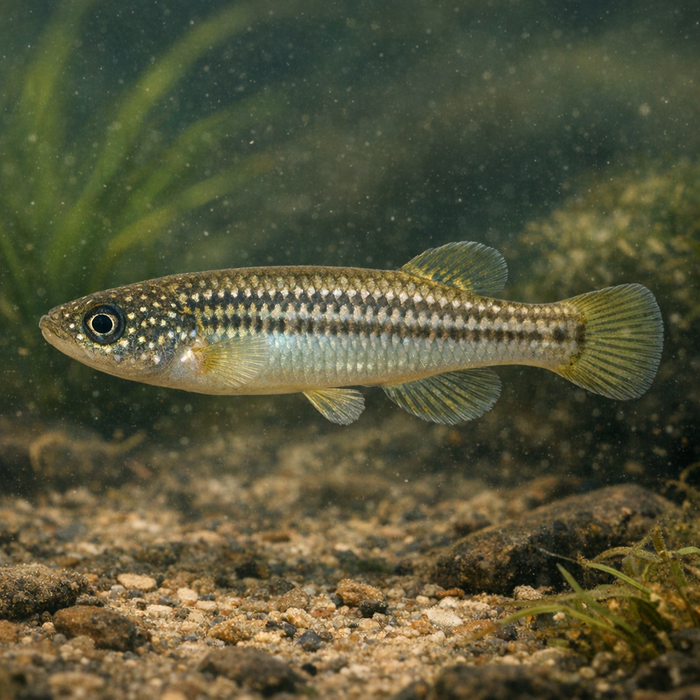
Speckled Killifish (Fundulus rathbuni): A Bold, Memorable Hook LineIntroductionThe speckled killifish is the marsh's tiny hype man, always buzzing the surface, flashing freckles, and stealing baits two sizes too big. It's not a glamour species, but if you fish coastal shallows, you've seen this little hustler doing laps in inches of water. Small? Absolutely. Forgettable? Not a chance. For micro anglers and curious inshore folks, the speckled killifish offers a front-row seat to how a tough estuary fish makes a living.What Makes the Speckled killifish Unique?First, it's built for the film. That upturned mouth is a vacuum for anything trapped on surface tension: midges, ants, drifting shrimp bits, you name it. Second, Fundulus rathbuni handles chaos like a pro. Salinity can jump from nearly fresh after a storm to salty on the next tide, and the speckled killifish just shrugs and keeps feeding. Third, the pattern that gives it the name isn't just pretty; those speckles scatter light, helping it vanish among dappled grass shadows while bigger fish cruise by looking for lunch.Habitat & Global RangeTalk speckled killifish habitat and you're talking skinny water. Think brackish creeks, flooded Spartina flats, ditch mouths, oyster rubble, culverts, and even temporary tide pools that look unlivable to anything else. Most fish live within a flip-flop's throw of vegetated shorelines across the Southeast and Gulf Coast. They ride the flood tide into grass to chow down, then slide back out with the ebb, often stacking in trickles barely deep enough to wet your boot soles. If you're scouting, look for flickers and V-wakes where the water shimmers thin over mud. No boat required; this is a shoreline specialist hiding in plain sight.Behavior & TemperamentThe speckled killifish is bold but twitchy. It schools loosely, then fans out when the feed is on. Quick darting bursts make it feel like a wind-up toy, and yes, it will jump. During warm months, activity spikes with tide movement and good light angles. It's not a fighter in the traditional sense, but micro hooks and gossamer line turn every bump into a bout of concentration. You'll see the confidence at the surface and the instant wariness when shadows move or a wake rolls through.Ecological ImportanceDespite the size, this fish punches above its weight. It hoovers mosquitoes and small crustaceans, turning marsh bugs into calories for everything from spotted seatrout and red drum to wading birds. Its adhesive eggs stick to vegetation and shell, anchoring the next generation in prime real estate. Call it a transfer agent: the speckled killifish packages detritus-fueled marsh productivity into bite-sized protein that powers the entire estuary food web. You don't get great inshore fisheries without a deep bench of forage like this.Conservation & Environmental PressuresMost populations seem stable, but they live where humans push hardest. Habitat fragmentation, shoreline hardening, nutrient spikes, and stormwater runoff all mess with the delicate mix of salinity, oxygen, and shelter the fish needs. Marsh loss is the big villain. Because speckled killifish are small and quick-breeding, they can rebound, but only if the grass and shallow drains remain connected. Treat them as an early alarm: when you stop seeing micro wakes in the back ponds, something upstream is off.The FishyAF TakeIf the inshore scene were a rock band, the speckled killifish would be the drummer: not famous, but everything collapses without it. For anglers, it's a gateway species. Want to understand tides, edges, and how food moves across a flat? Watch speckled killifish for ten minutes and you'll read that water like a veteran. They're fun, they're everywhere worth fishing, and they're the purest lesson in marsh mechanics you'll ever get. File under: overlooked, essential, and sneaky addictive. That's the real Speckled killifish facts you can use on your next tide swing.