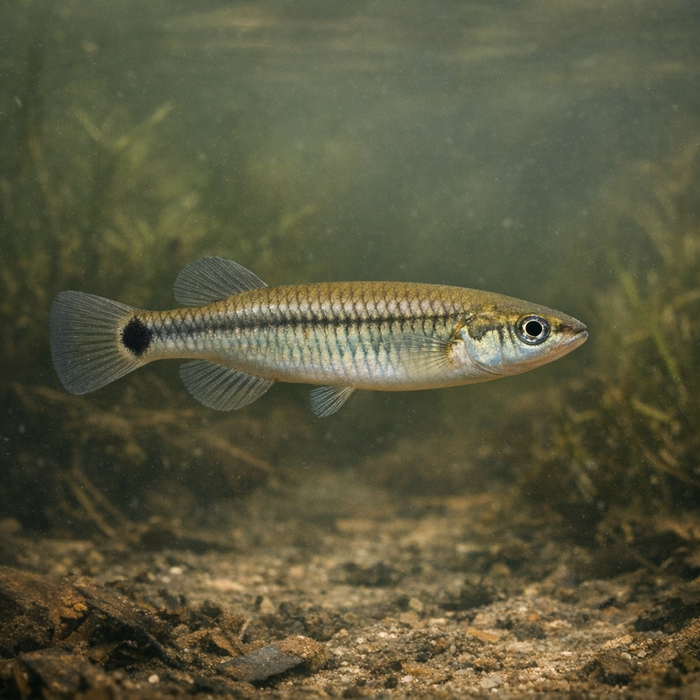
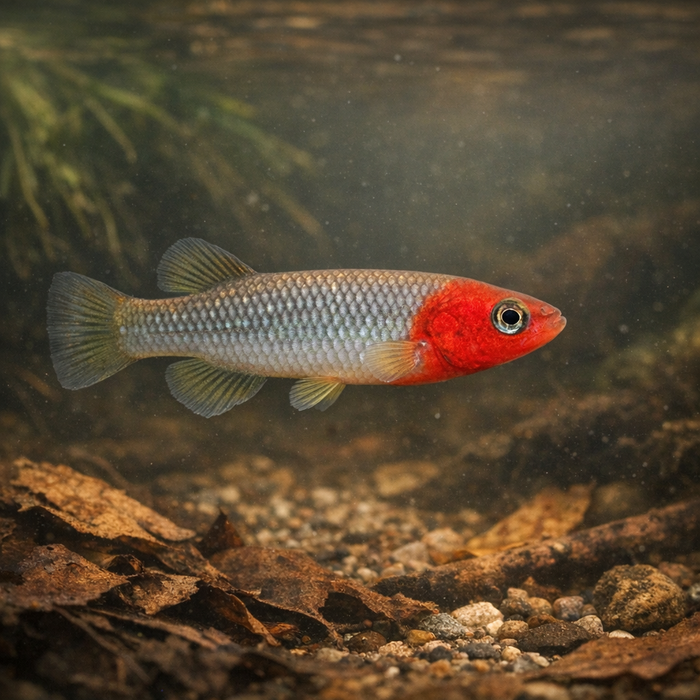
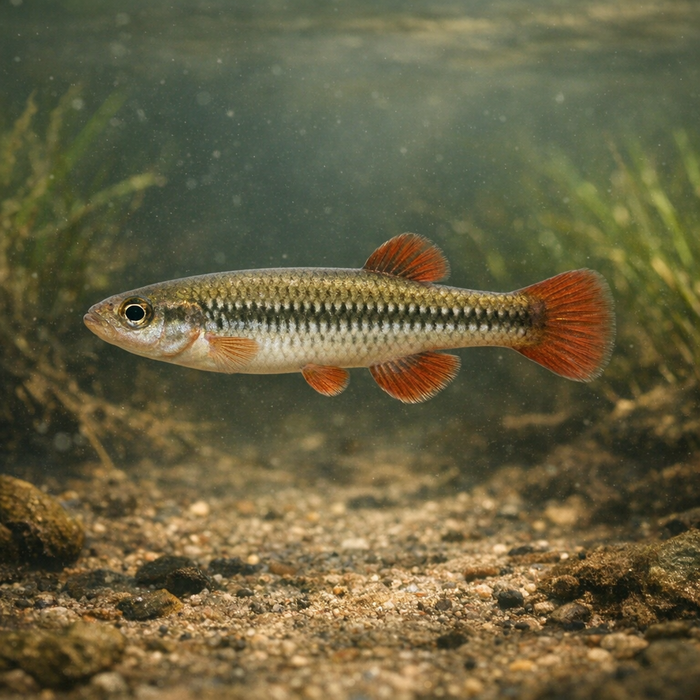
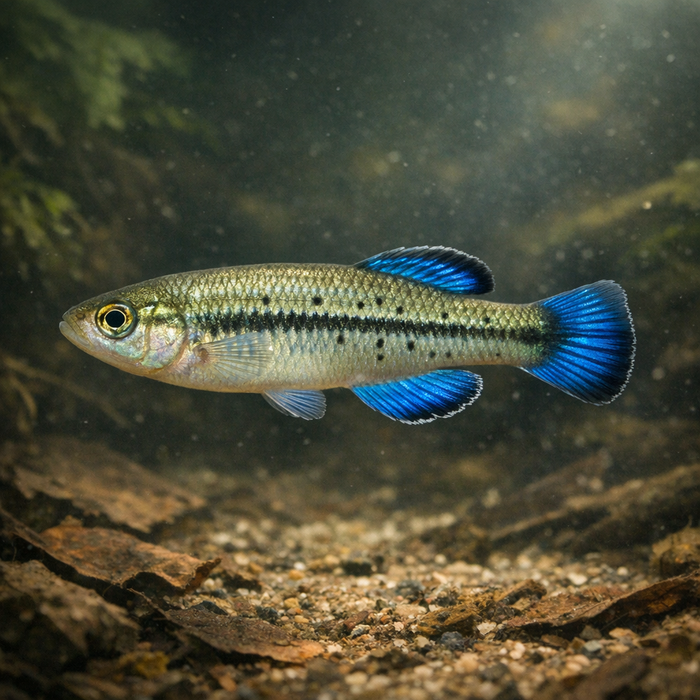
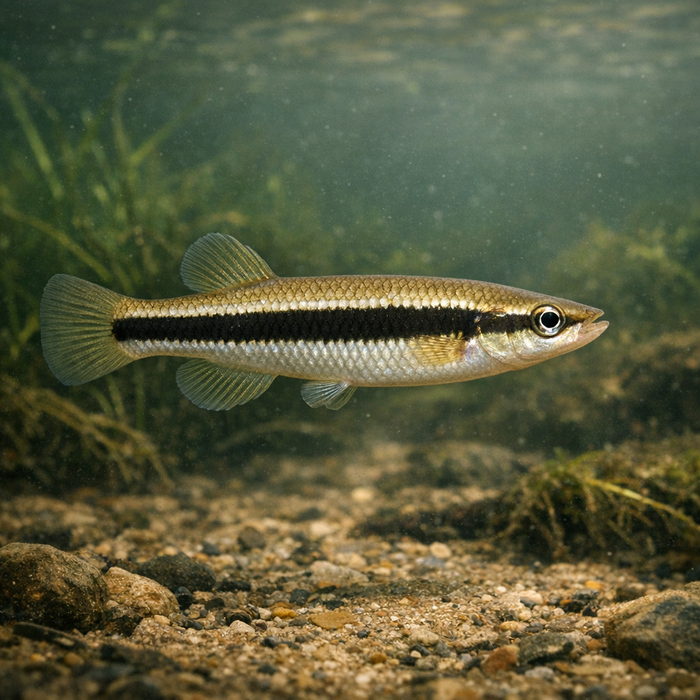
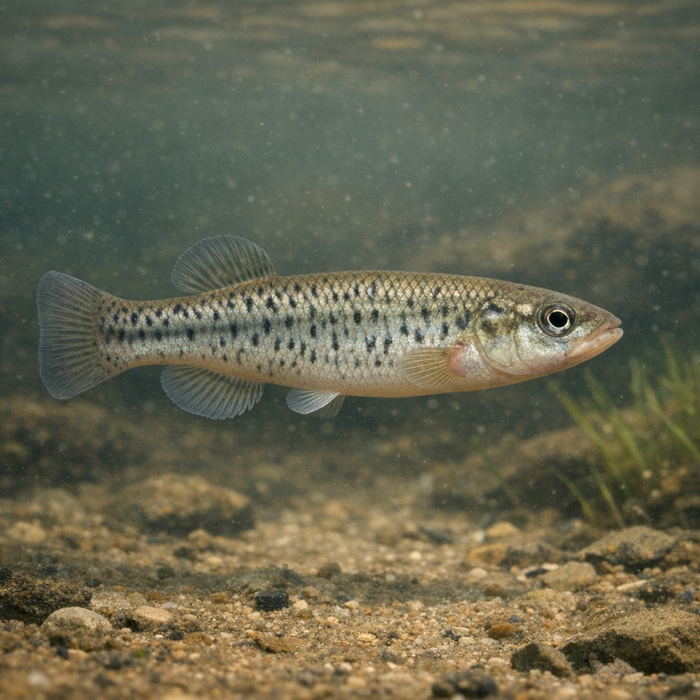
Western starhead topminnow (Fundulus blairae): A Bold, Memorable Hook LineIntroductionThe Western starhead topminnow isn't a bass, a trout, or anything you'd brag about for dinner. It's a micro-sized surface sniper with a crown that literally sparkles during breeding season. For anglers who appreciate the small and weird, this fish is a pocket rocket and a perfect entry point into microfishing. Consider this your crash course in Western starhead topminnow facts, minus the fluff.What Makes the Western starhead topminnow Unique?First, that head. Breeding males flash pale speckles across the crown, the starry tell that birthed its name. Second, the Western starhead topminnow is a surface specialist with an upturned mouth, built to vacuum tiny bugs and larvae right off the film. Third, despite its tiny size, it's a survivor. It handles heat, low oxygen, and even occasional brackish pulses far better than most delicate minnows. Put together, you get a flashy, tough little customer that lives life in the top inch of water.Habitat & Global RangeLet's keep it tight: think Gulf Coast lowlands, especially eastern Texas into Louisiana and nearby coastal plain drainages. The Western starhead topminnow habitat recipe is simple but specific: weedy margins, sloughs, oxbows, bayous, and quiet creeks with sand or mud bottoms. They cruise just under the surface along grass lines and lily edges where insects fall in and cover offers quick escape routes. In rain-swollen seasons they slip into ditches and side pools. In dry spells they retreat to the most persistent puddles, often right beside the bank where your boots squish.Behavior & TemperamentThe Western starhead topminnow works in loose bands, not tight bait balls. They're twitchy, quick to scatter, and just as quick to regroup once the threat passes. Much of the feeding happens in soft daylight-morning and late afternoon-when bugs are moving and the surface is glassy enough for precision strikes. They rarely dive; instead, they track the surface like a conveyor belt, poaching anything edible that touches down. Hooking one without micro gear is like threading a needle from across the room.Ecological ImportanceFor their size, these fish are heavy hitters in the bug-control business. They shred mosquito larvae, graze small invertebrates, and convert pest biomass into food for larger fish and wading birds. The Western starhead topminnow also serves as a bellwether for small-water health. If the grass lines are intact and the water isn't choked with silt or chemicals, expect to see their subtle wakes tracing the shoreline.Conservation & Environmental PressuresYou won't find a screaming headline listing them as endangered, but that doesn't mean autopilot is safe. Channelization, ditch scraping, herbicide overuse, and sediment runoff can flatten the shallow, vegetated edges this fish needs. Groundwater withdrawals and prolonged droughts shrink those edge habitats to hostile puddles. On the flip side, the Western starhead topminnow is durable and opportunistic, which helps it ride out short-term chaos better than many small fishes.The FishyAF TakeMost anglers ignore these micro rockstars because they don't peel drag. Their loss. The Western starhead topminnow demands control: quiet feet, tiny hooks, and timing. It's a clean test of presentation that makes your big-fish game sharper. Watch the crown sparkle, see the subtle sip, and try not to grin when a two-inch fish schools you on finesse. If you want a quick win, chase panfish. If you want to upgrade your precision, chase this star-capped assassin. That's the Western starhead topminnow in a nutshell-small fish, big lesson.