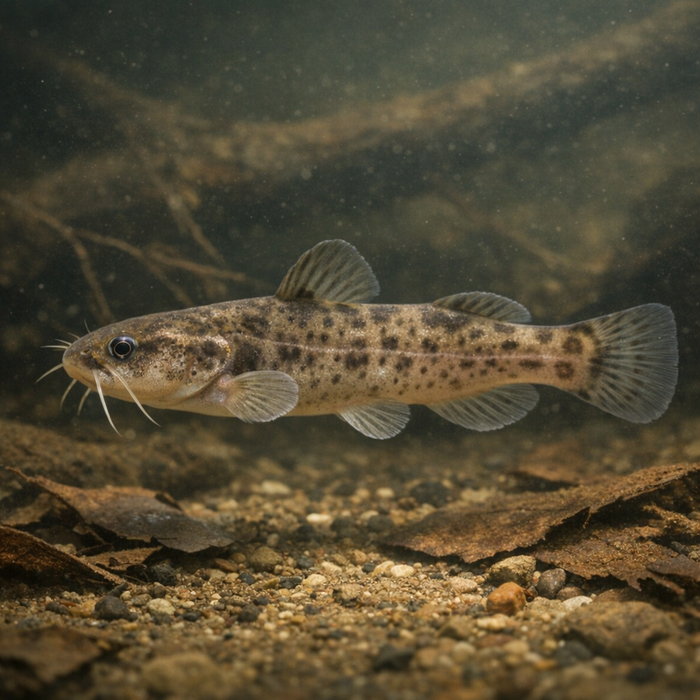
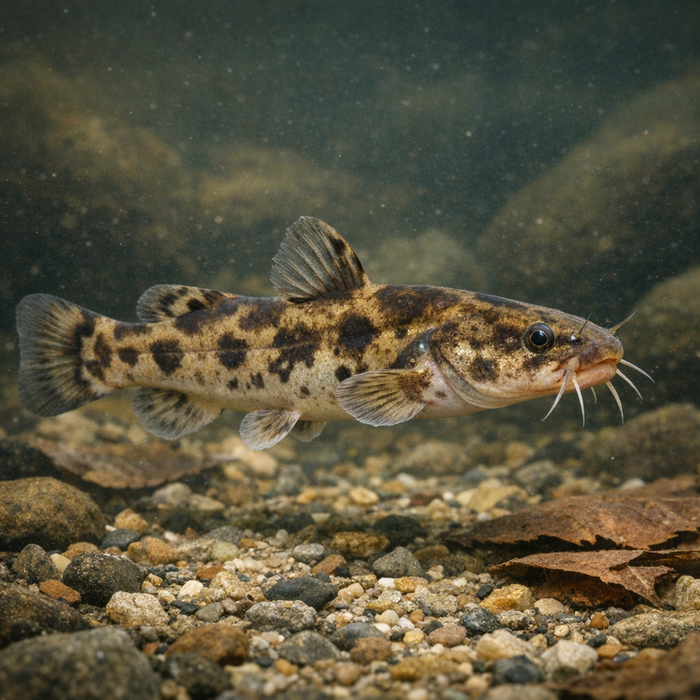
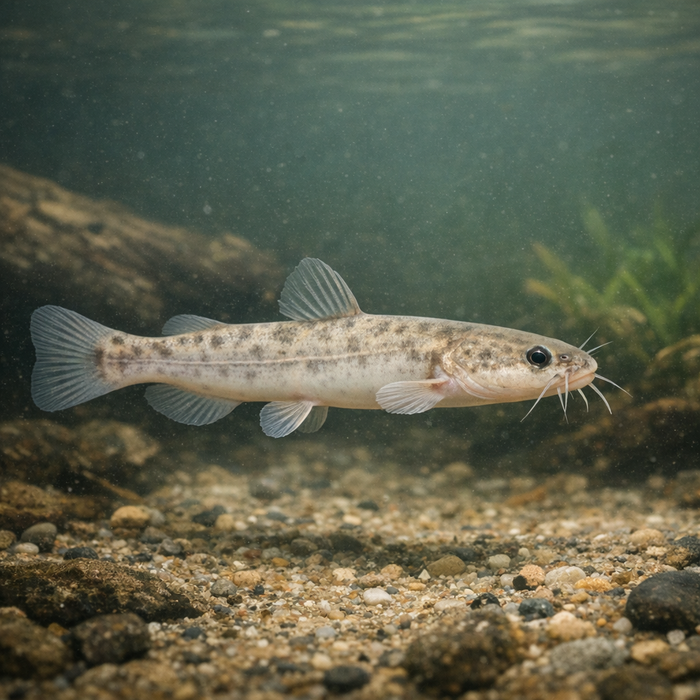
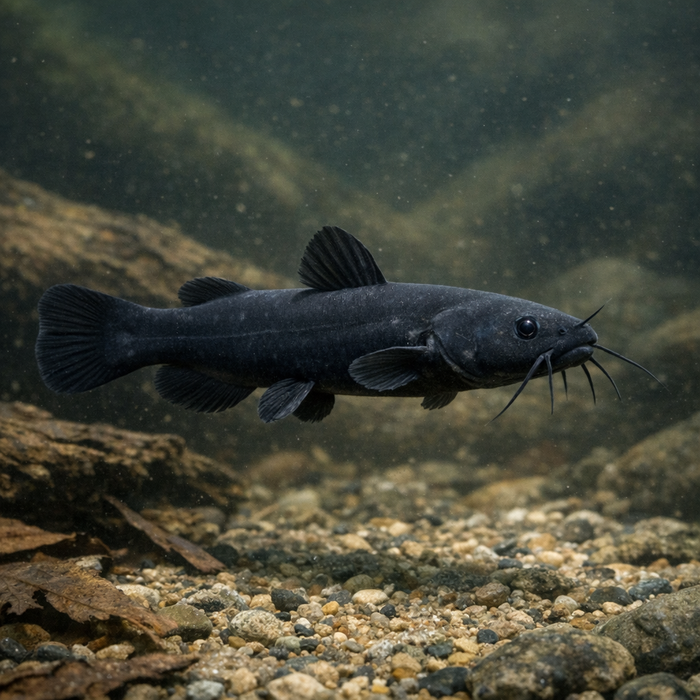
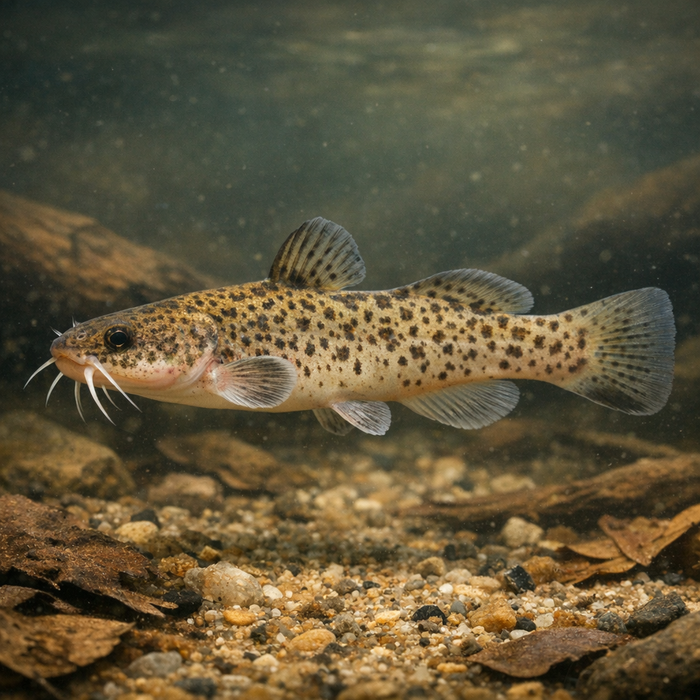
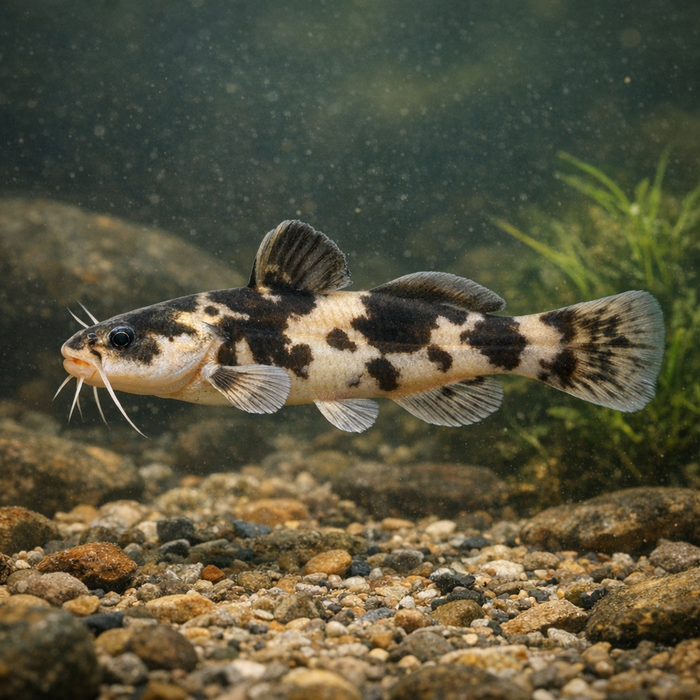
Speckled Madtom (Noturus leptacanthus): A Bold, Memorable Hook LineIntroductionThe speckled madtom is the little catfish that laughs at your heavy gear. Barely longer than your pinky, it haunts sandy runs and leaf-choked pockets after dark, sipping micro-prey with surgical precision. It won't win any tug-of-war, but if you're into rare checkmarks and creek-level sleuthing, this miniature predator delivers a quirky, highly local challenge. Consider this your crash course in Speckled madtom facts wrapped in field-ready detail.What Makes the Speckled madtom Unique?First, that size. The speckled madtom tops out around four inches, which turns ordinary tactics into overkill. Second, it packs venomous pectoral spines. We're not talking hospital-grade agony, but enough sting to teach respect when you dehook it. Third, the body is wired for sensory overload: barbels and skin loaded with taste buds let it "taste" the current like a living water scanner. Subtle prey movements that bigger fish miss become dinner signals for this pint-sized cat.Habitat & Global RangeThink Southeastern Coastal Plain. The speckled madtom prefers shallow creeks and small rivers with clean sand, gentle to moderate current, and a mess of leaves, twigs, and woody debris. It hugs low cover like a habit, skittering between micro-sandbars and root tangles. In calmer backwaters and sloughs, it prowls the edges where current tapers. If you're building a mental map of Speckled madtom habitat, highlight leaf packs, undercut banks, and sandy seams broken by wood.Behavior & TemperamentThis species is nocturnal by design. By day, it vanishes into leaf litter or wedges under sticks like a tiny armored goblin. After sunset, it becomes a measured hunter, cruising just off bottom and pouncing on insect larvae, small crustaceans, and whatever micro-morsels the flow serves up. It's cautious, not confrontational; the fight is a flutter, not a slugfest. But the approach window can be brutally narrow. Right light, right drift, right depth-then it's on.Ecological ImportanceSmall catfish like the speckled madtom are the creek's janitorial squad and snack pack rolled into one. They convert insect biomass into fish biomass, fueling bigger predators while cleaning up the drift. Their nesting and guarding behavior stabilize year-classes, and their presence is a quiet nod to intact substrates and honest flow. Where these fish persist, you often have a functioning small-stream food web-subtle, but telling.Conservation & Environmental PressuresOverall, the speckled madtom is listed as Least Concern, but that's not a hall pass. Siltation from sloppy land use buries the clean sand they need. Channelization steamrolls the small-scale complexity that creates leaf pockets and ambush lanes. Chemical spikes and low oxygen can hit hard in summer. None of these pressures are unique, but at the "micro" end, the margins are thin: lose the leaf packs and woody cover, and you lose the madtom.The FishyAF TakeThe speckled madtom is a patience test wrapped in a thumb-sized catfish. It won't peel drag or headline your social feed, yet it might be the most honest fish you catch all year. It forces you to read current at ankle depth, to slow down, to notice one twig that makes the difference. Call it a stealth trophy. Nail the drift, keep the hook tiny, and respect the spines. Chase one, and your creek IQ goes up a grade. That's the win.