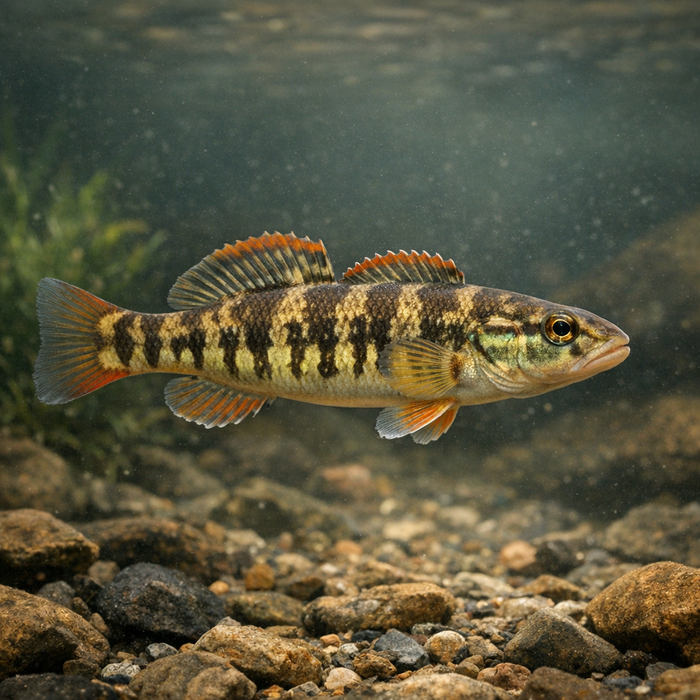
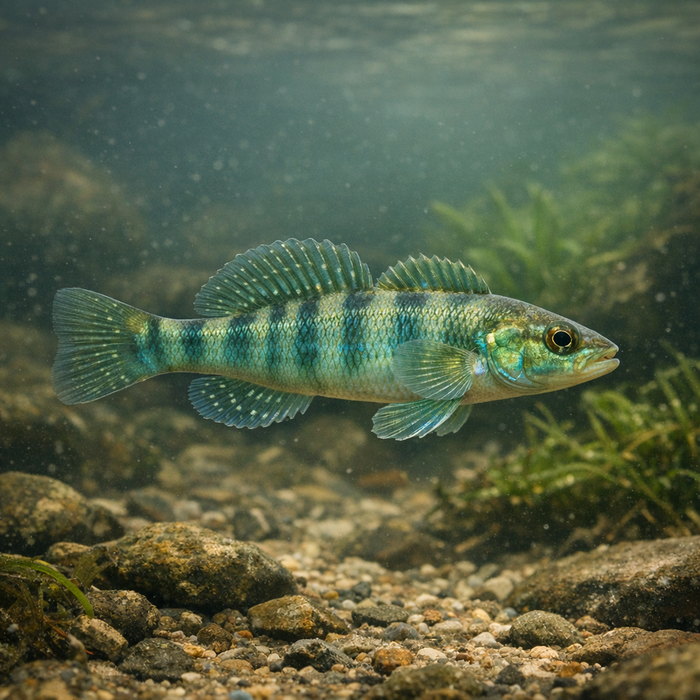
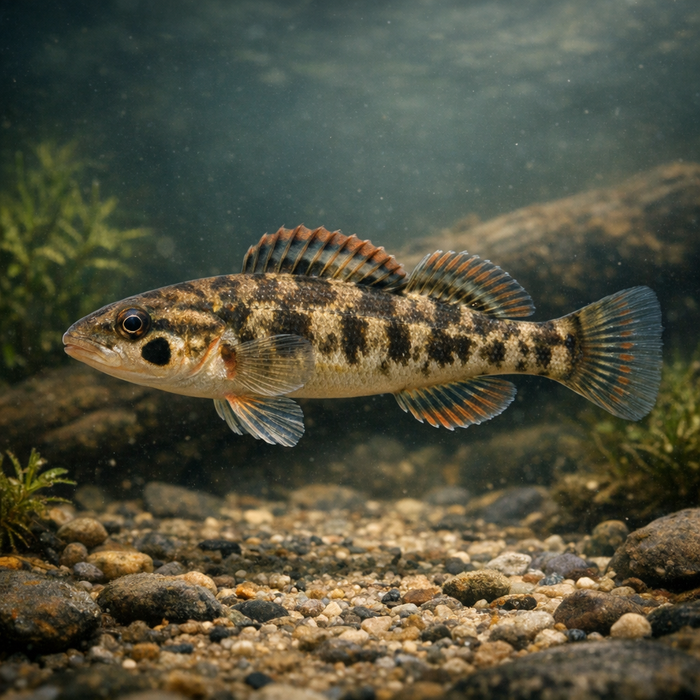
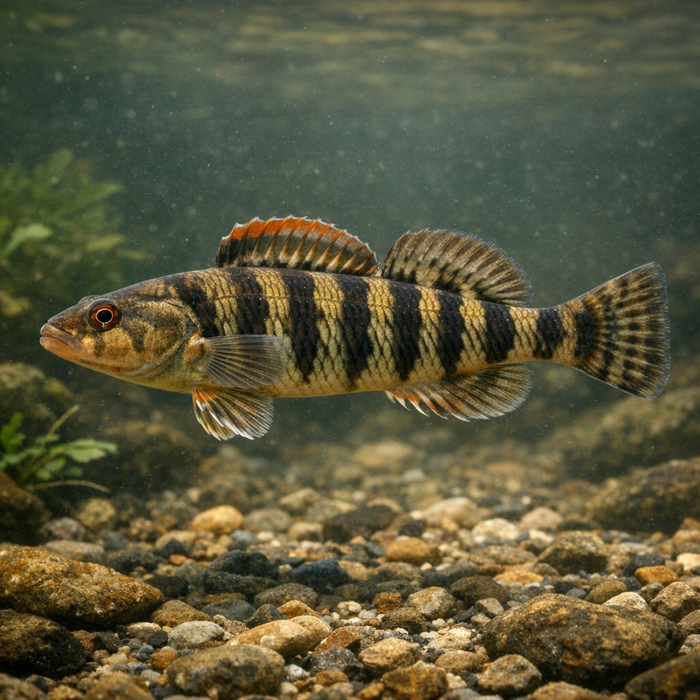
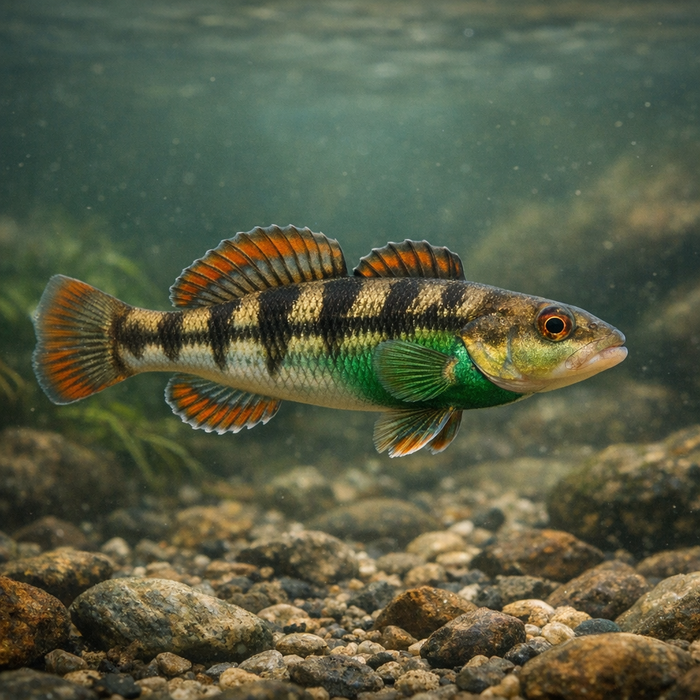
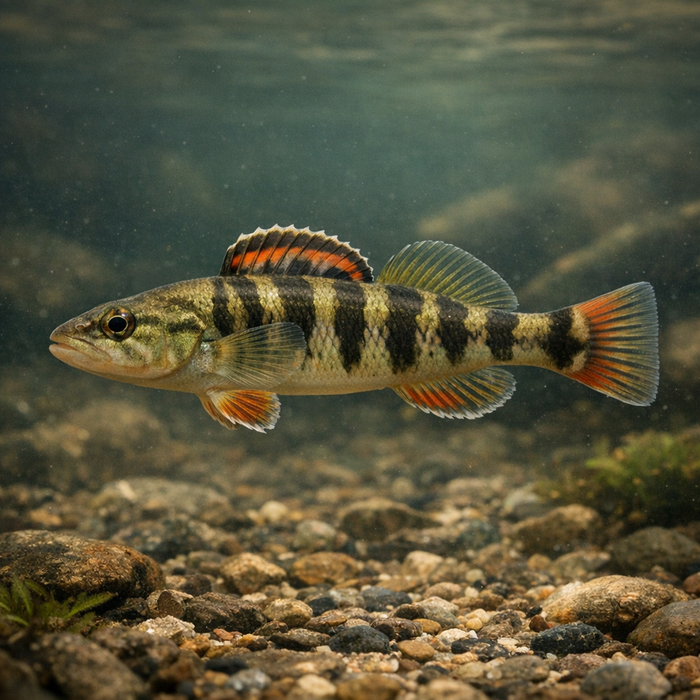
Subnose Darter (Etheostoma duryi): The pocket-rocket perch that turns riffles into racetracksIntroductionIf you think big fish equal big fun, the subnose darter is here to change your math. This thumb-sized bruiser lives where the water gets loud, hunkered in chattering riffles and pocket water most anglers wade past without a glance. Microfishing nuts know better. The subnose darter is a current maestro, a ground-hugging ambusher, and a crash course in precision if you want to actually catch one. Looking for tight Subnose darter facts and straight talk? You're in the right riffle.What Makes the Subnose darter Unique?First, the design. The subnose darter carries a blunt snout and a subterminal mouth, built for nosing into gravel and snatching drifting morsels without lifting off bottom. Second, those oversize pectoral fins aren't just for show; they're brakes and wings all at once, helping the fish glue itself to the streambed even when the current's pushing. Finally, its small stature is an advantage, not a handicap. That tiny profile lets the subnose darter slip between stones and hold water most fish can't use, turning a chaos of cobble into perfect micro-ambush lanes.Habitat & Global RangeThe subnose darter is a Southeastern native tied to cool, clear rivers and streams with firm gravel and cobble. Think knee-deep riffles, pockety runs, and the broken, bubbly seams below shoals. If you're dialing in Subnose darter habitat, look for oxygen-rich flow over clean stones with little silt. They rarely roam far, often occupying the same square yards day after day. While big rivers may host them, the show happens in the skinny water, where the current is fast enough to pin small invertebrates in place but not so violent that fish get swept. Seasonal shifts may nudge them slightly deeper into runs during extremes, but their spiritual home is the riffle.Behavior & TemperamentThis fish is the definition of "hold and pounce." The subnose darter sits on the bottom, makes twitchy, rocket-quick darts to intercept prey, then resets like nothing happened. Territorial? A bit, especially in prime feeding lanes. Skittish? Less than you'd expect, provided you move carefully and keep shadows off the water. They're not schooling types, but you'll often find several individuals peppered across a single riffle, each working a personal groove. During spawning, males court with quivers and chases around cobble, and eggs end up under or between stones, right where silt won't smother them.Ecological ImportanceThe subnose darter is a small predator that keeps the stream's conveyor belt of invertebrates in check. In doing so, it channels energy from the bug world up the food web, feeding larger fish, birds, and the occasional watersnake. Because it demands clean, well-oxygenated water and stable gravel, its presence quietly signals stream health. Lose the darters and you usually lose the nuance: the riffle complexity, the bug diversity, and the steady, quiet balance that makes a stream hum.Conservation & Environmental PressuresWhile not a poster child for crisis, the subnose darter is allergic to silt and runoff. Poorly managed construction, eroding banks, and heavy nutrient loads can glaze its world in mud and algae, choking eggs and wiping out the microgaps it needs to hunt. Channelization, low-head dams, and unscreened withdrawals flatten the hydraulics that carve out riffles and shoals. The fix isn't rocket science: protect riparian buffers, keep gravel clean, and mind flows. Where those boxes are checked, subnose darter numbers can be downright cheerful.The FishyAF TakeThe subnose darter is the fish that humbles heavy tackle and rewards finesse. It's not about drag-screaming runs; it's about reading the braid of current, finding cobble the size of fists, and dropping a matchhead of bait so it winks past a nose that's two inches off the rock. If you're craving a new challenge, skip the pool and hunt the froth line. The subnose darter doesn't care about your hero shot. It cares about clean stones, good flow, and the split second you get it right. Nail that, and this miniature powerhouse will make your whole day. Consider this your invitation to the riffle life.