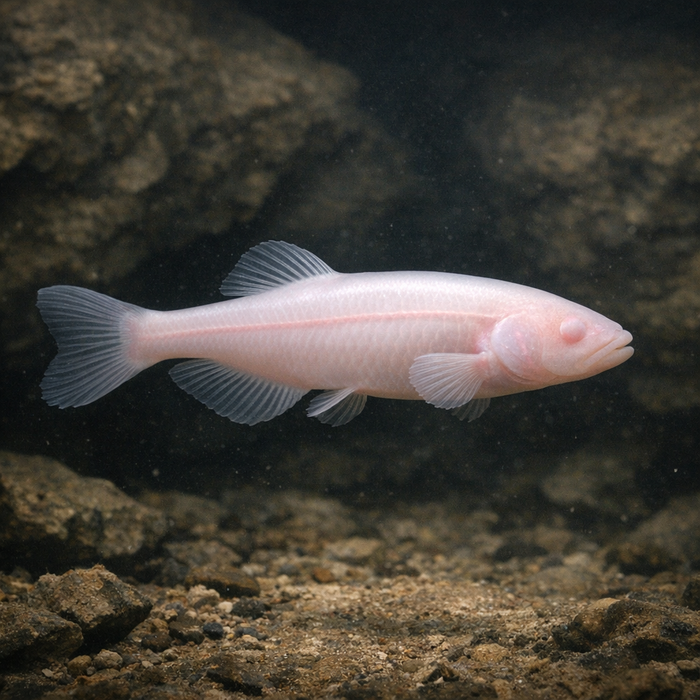
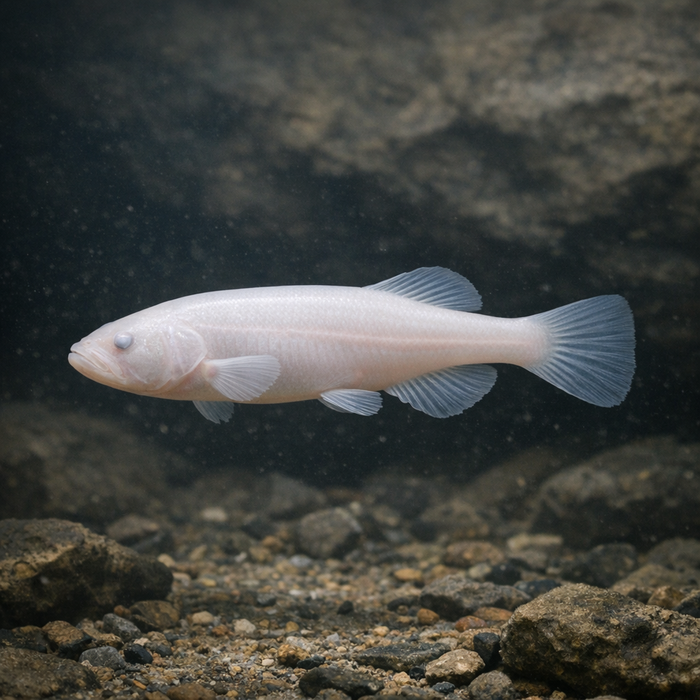
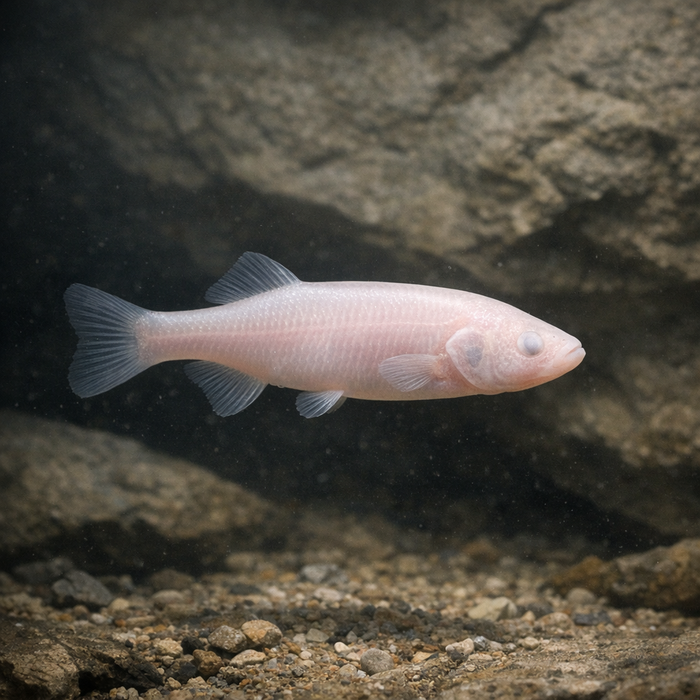
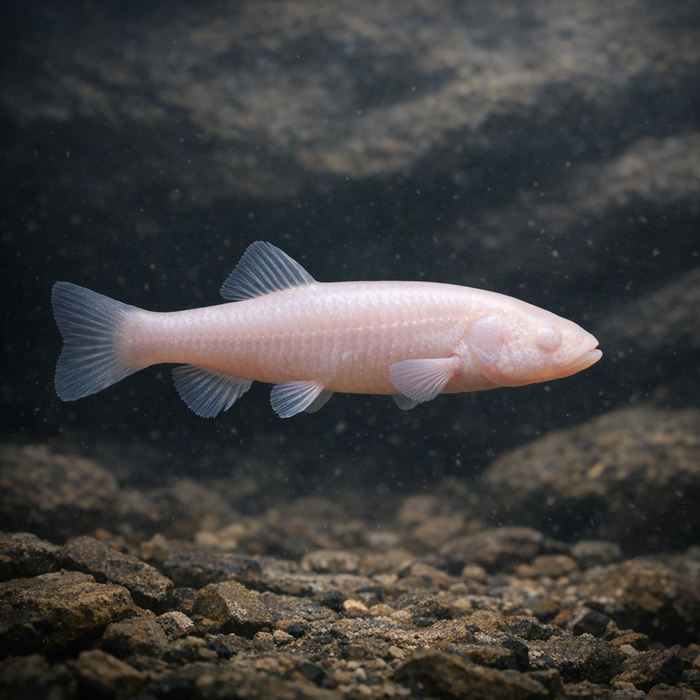
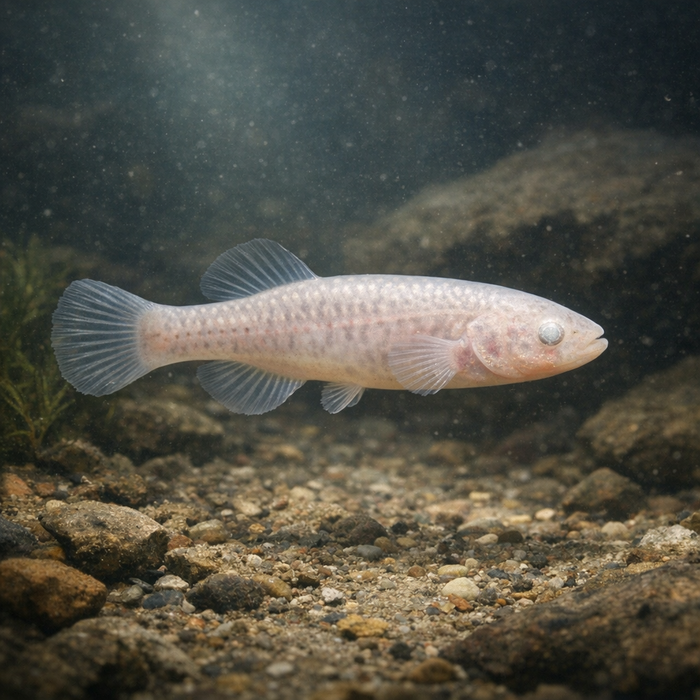
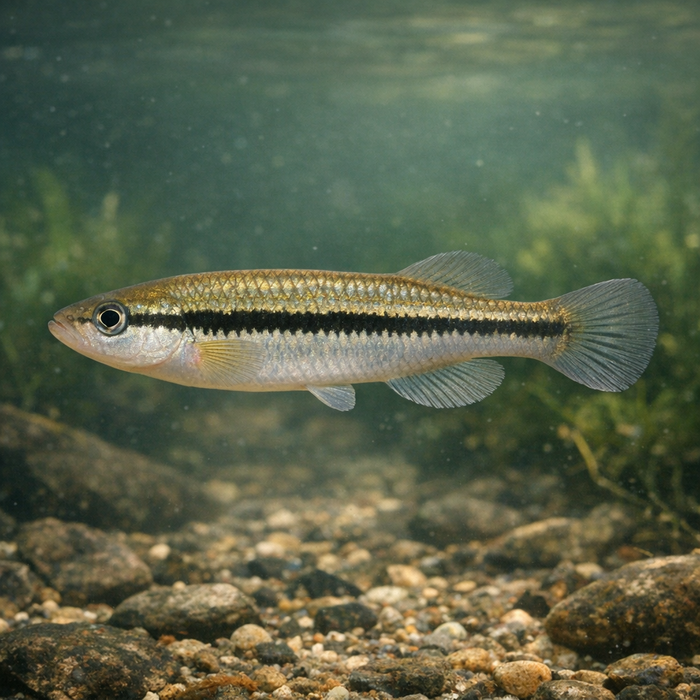
Swampfish (Chologaster cornuta): The Tiny Ninja Of Southern BlackwaterIntroductionMeet the fish that lives where boots sink, mosquitoes win, and headlamps steam up. The Swampfish is pocket-sized and sneaky, a specialist built for tea-colored water and tangled roots. Most anglers will never see one. Those who do usually whisper about it later, like they glimpsed a swamp ghost in the beam of a flashlight. If you're hunting Swampfish facts that actually help you picture this creature, lean in.What Makes the Swampfish Unique?First, anatomy tells the story. Unlike most fish, the Swampfish's vent opens under the throat, a family quirk that's as weird as it sounds. It also ditches pelvic fins entirely, slimming down its profile for threading through leaf litter, root mats, and cypress knees. While many cavefish relatives lost their eyes, this one kept working optics for twilight business. Scaleless skin and subdued, tannin-matching tones turn it into living camouflage. It's a miniature ambush predator, content to hold still, then snap up tiny invertebrates with vacuum-fast gulps.Habitat & Global RangeThe Swampfish is a Southeastern U.S. blackwater specialist, hugging the low-relief Atlantic Coastal Plain's swamps, ditches, and sluggish creeks. Think tannic, tea-stained flow, soft bottoms, drowned wood, and big leaf piles. It doesn't roam open water unless it has to; structure is safety, pantry, and home address. If you want a shorthand for Swampfish habitat, it's this: shallow, shady, and oxygen-poor, the places bass boats fly past and waders avoid. That environment has shaped every inch of the fish's design.Behavior & TemperamentTemperament-wise, it's a patient sniper. The Swampfish holds near bottom cover, usually under inches to a few feet of water, and does its best work at dusk or at night. Activity swings with temperature, with more hustle in mild seasons and a slow idle when it's either frigid or swamp-soup hot. Don't look for schools ripping around; at most you'll spook a couple from the same root wad. One second, motionless shadow. Next second, it's inhaled a midge larva and vanished again. They tolerate low oxygen by dialing back movement, which suits their sit-and-wait lifestyle perfectly.Ecological ImportanceStrip away the slime and secrecy, and you've got a crucial link in the blackwater food web. The Swampfish trims down mosquito larvae and other tiny inverts, transferring energy up the chain to larger predators that eat the Swampfish. Because it thrives where dissolved oxygen is marginal and water clarity is poor, its presence is a quiet indicator of intact swamp processes: steady leaf fall, slow flow, and undisturbed bottom complexity. Protect the mucky details and you keep the small gears turning.Conservation & Environmental PressuresOfficially, Chologaster cornuta is doing fine in much of its range, but "Least Concern" isn't an invitation to bulldoze wetlands. Drainage ditches that get scrubbed clean, flashy stormwater pulses, excessive withdrawals, and herbicide overuse strip cover and collapse those micro-edges Swampfish need. Siltation can smother leaf beds and root tangles, while ditch channelization deletes the very nooks that hold stable microcurrents. Blackwater may look tough, but it's fragile chemistry. Keep the canopy, keep the flow slow, and the Swampfish tends to persist.The FishyAF TakeYou won't win bragging rights at the ramp for catching a Swampfish. But if you like puzzles, this one's a gem. Every inch of the fish screams adaptation: the throat-side vent, no pelvic fins, and a paint job matched to tea-stained water. The Swampfish is the opposite of flashy, and that's the appeal. It rewards patience, headlamps, and micro tackle, and it punishes noise and lazy presentations. Learn the Swampfish habitat puzzle and you learn to read edges most anglers ignore. Small fish, big lessons. That's the game.