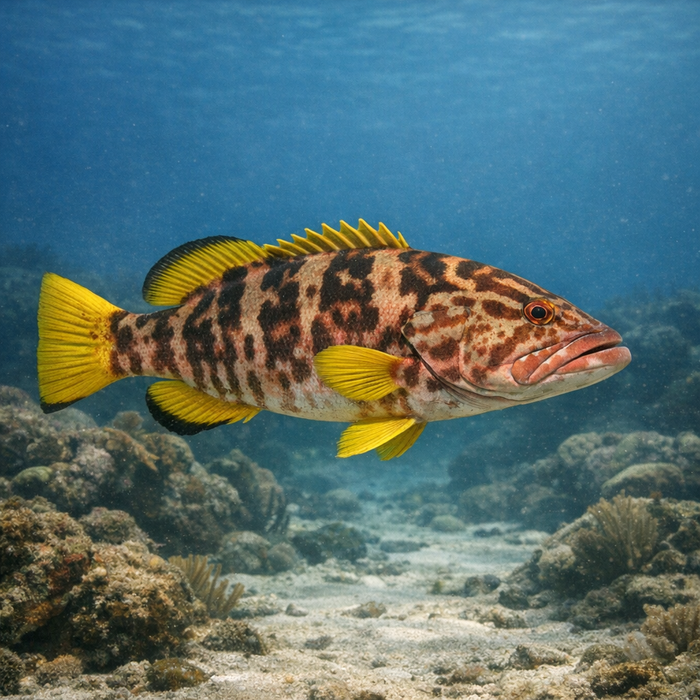
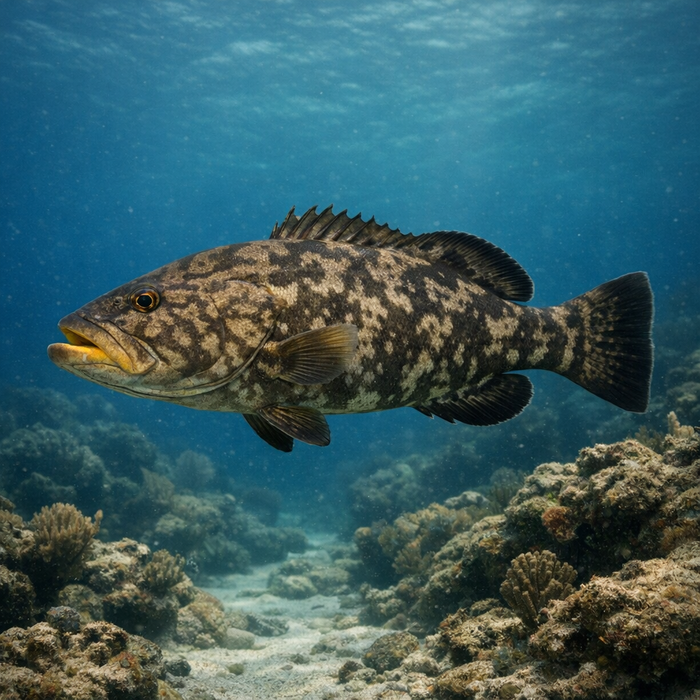
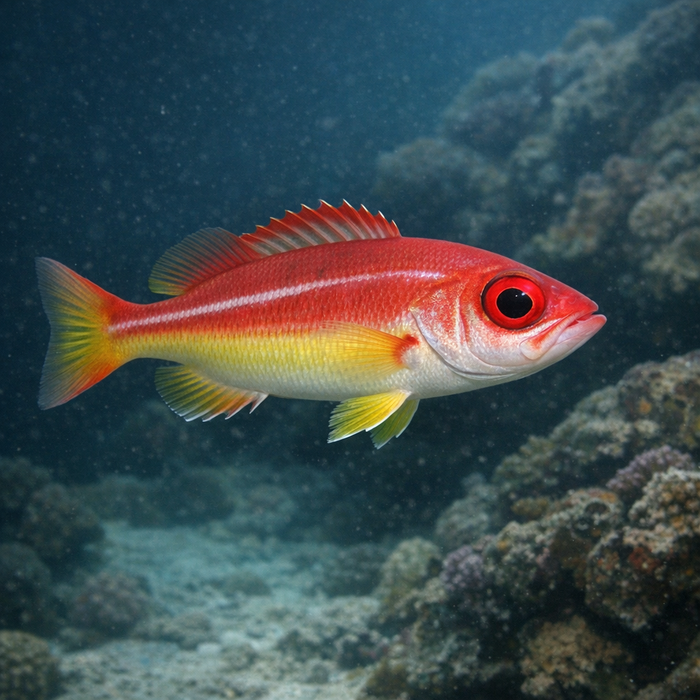
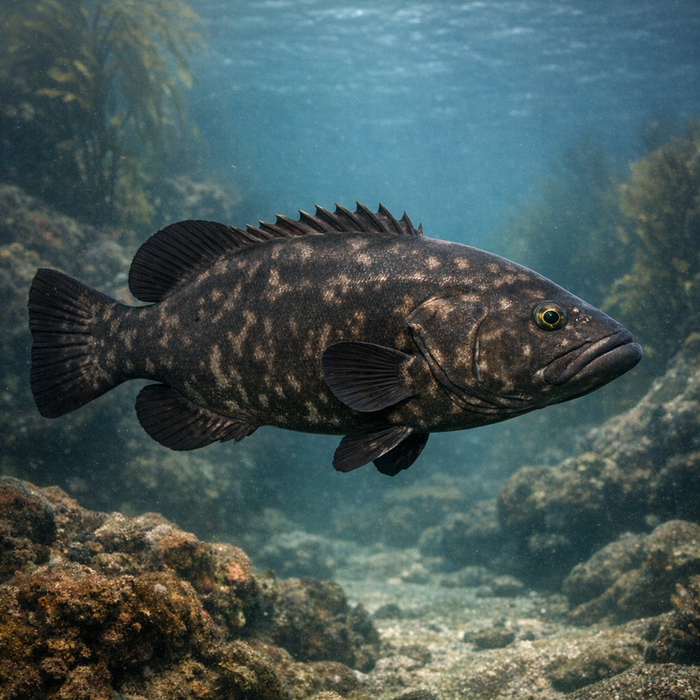
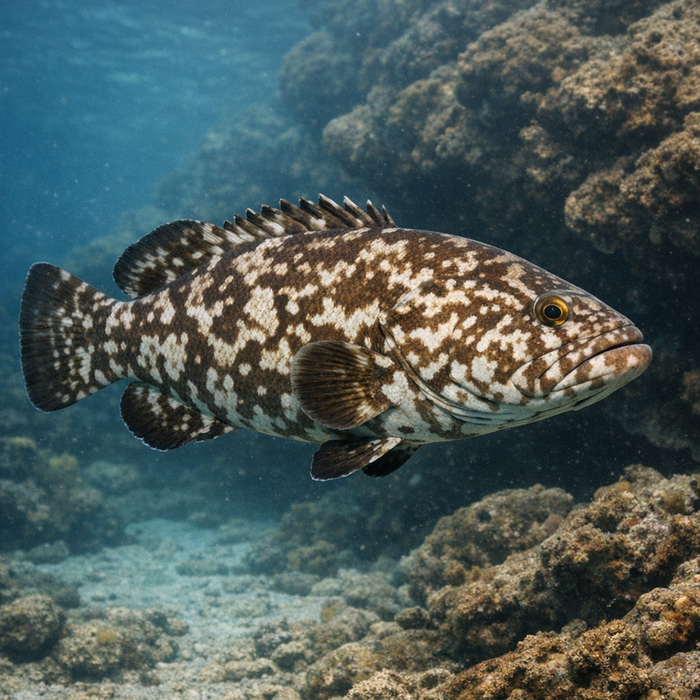
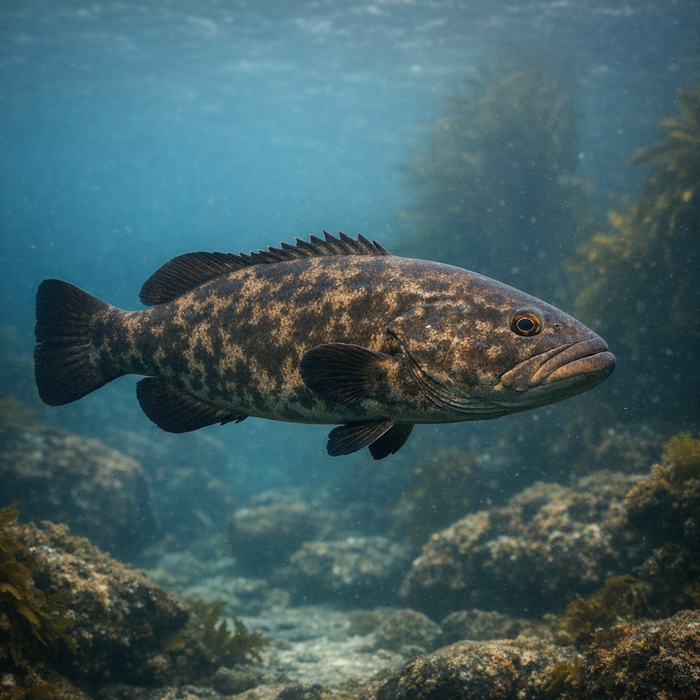
Tiger grouper (Mycteroperca tigris): Striped ambusher built for reef mayhemIntroductionThe tiger grouper is the brawler that lives in the coral maze. Chunky head, mean mug, and those tiger bars that flick on and off like a reef's warning light. If you drop something edible near a cave mouth, there's a good chance this fish vacuums it before you say, "tighten the drag." If you're hunting Tiger grouper facts and the real-world scoop, stick around.What Makes the Tiger grouper Unique?Two things: camouflage and suction. The tiger grouper can shift from pale to bold bars in seconds, melting into coral and ledge shadows. That color switch is more than pretty; it's a kill switch. Then there's the mouth. These fish don't nibble. They open up and create a high-powered vacuum that yanks prey off bottom like it tripped a trap. Add in a bulldog attitude and a habit of locking into crevices by flaring gill covers, and you've got an ambush predator tailor-made for breaking hearts and leaders.Habitat & Global RangeTiger grouper habitat is classic tropical Western Atlantic: high-relief coral reefs, rocky ledges, drop-offs, and wrecks from Bermuda and the Bahamas through the Caribbean to northern South America. You'll meet them where caves, spur-and-groove formations, and patch reefs stack tight. Shallow to mid-depth works fine; think from snorkelable reefs down to sport-diving depths, and deeper on clear, rugged structure. They're homebodies compared to pelagics, usually tied to a neighborhood of holes, points, and overhangs they patrol with purpose.Behavior & TemperamentThe tiger grouper is a patient lurker with quick-burst violence. It parks in the shade, eyes forward, then lunges a few feet to vacuum a baitfish. It's not a sprinter over distance, but it's wicked in the first second and uses structure like a shield. Dusk and dawn are prime ambush windows; current is a dinner bell. They'll sometimes shadow stingrays or eels, scoring snacks spooked from sand or rubble. Hook one and you'll feel a heavy throb and a beeline for the nearest cave. If you hesitate, the fish wins and you're sawing braid on limestone.Ecological ImportanceAs mid-to-upper reef predators, Tiger grouper help keep small fish populations honest and the coral neighborhood balanced. They cull the careless, shaping behavior and distribution of reef forage. Their spawning aggregations, brief and lunar-timed, deliver big pulses of larvae that ride currents to fresh habitat. Pull too many breeders and you don't just lose fish this season; you lose the factory. Protogynous hermaphroditism adds another wrinkle. Knock out too many big males and the social balance skews, reducing effective spawning.Conservation & Environmental PressuresTiger grouper face a double hit: heavy fishing around easy-access reefs and habitat decline from warming, bleaching, and storm damage. They're not the world's fastest growers, and structure-addicted fish take the brunt of pressure near ports and islands. Add in the complications of ciguatera risk, which skews harvest toward smaller fish and changes angler behavior, and management gets tricky. Several regions set grouper seasons, protected areas, or gear limits, but rules vary widely, and identification mistakes with other groupers don't help. Consider them a resource that thrives where reefs are healthy and enforcement shows up.The FishyAF TakeThe tiger grouper is an attitude test disguised as a fish. Drop the right bait, be ready now, and win the first five seconds or frame it in your head and tell the story at the dock. It's the perfect reef gatekeeper: show up sloppy and it slams the door. Show up dialed and it eats like it owes you money. For anglers, that's the hook. Tiger grouper reward precision, fast reactions, and iron discipline around structure. If you want easy, fish the flats. If you want to feel coral through your drag and earn a shot at stripes in the sling, this is your fish. That's the real Tiger grouper habitat: the thin line between control and chaos, right on the edge of the reef.