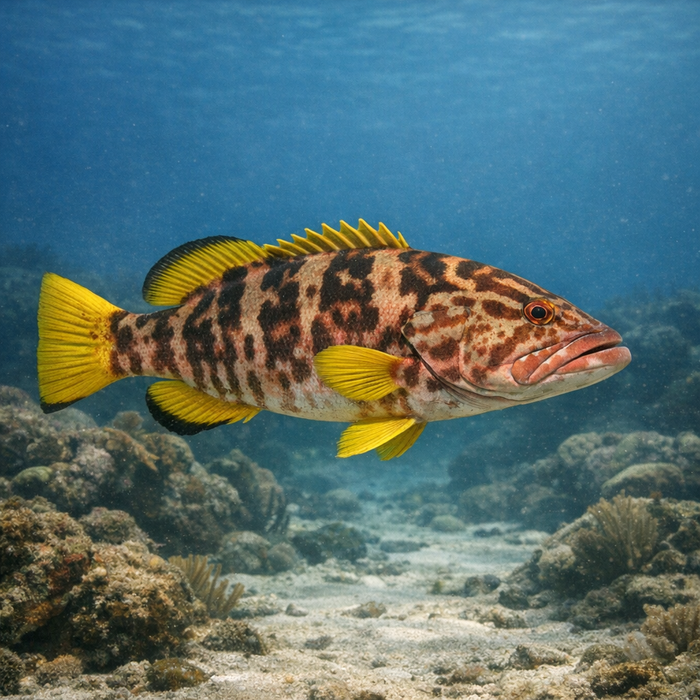
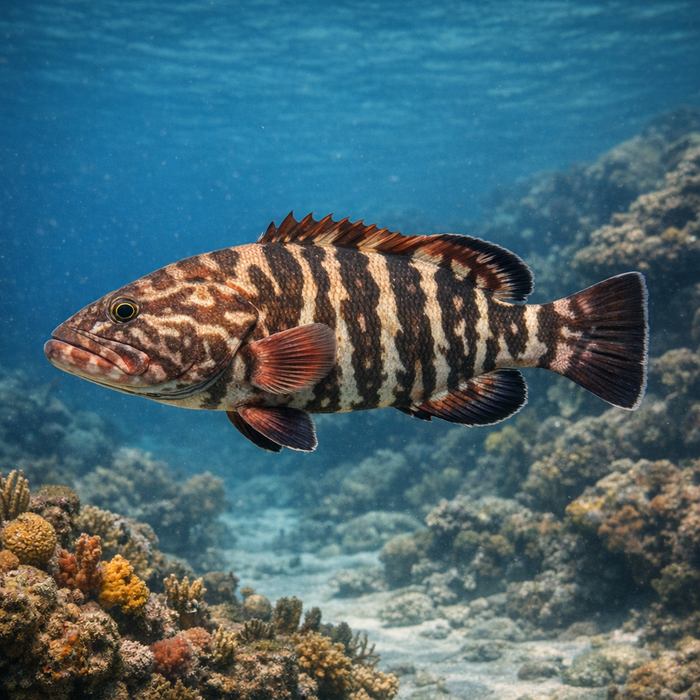
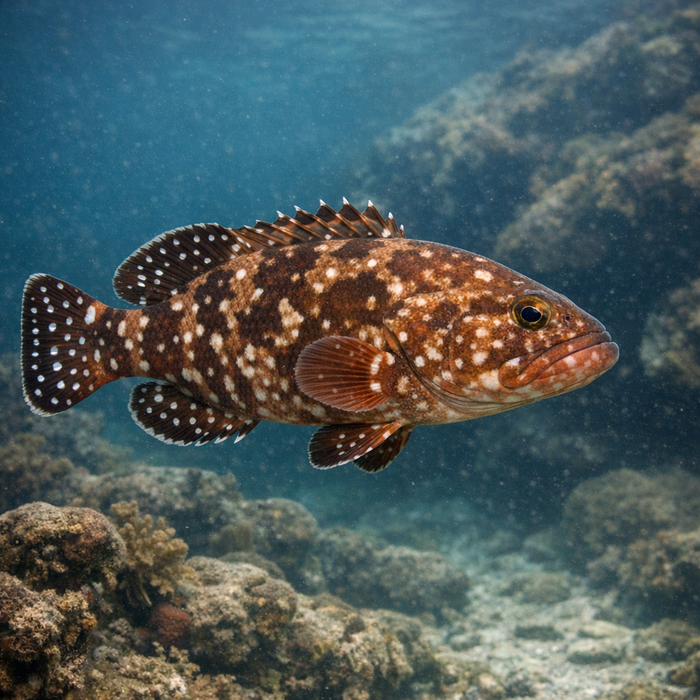
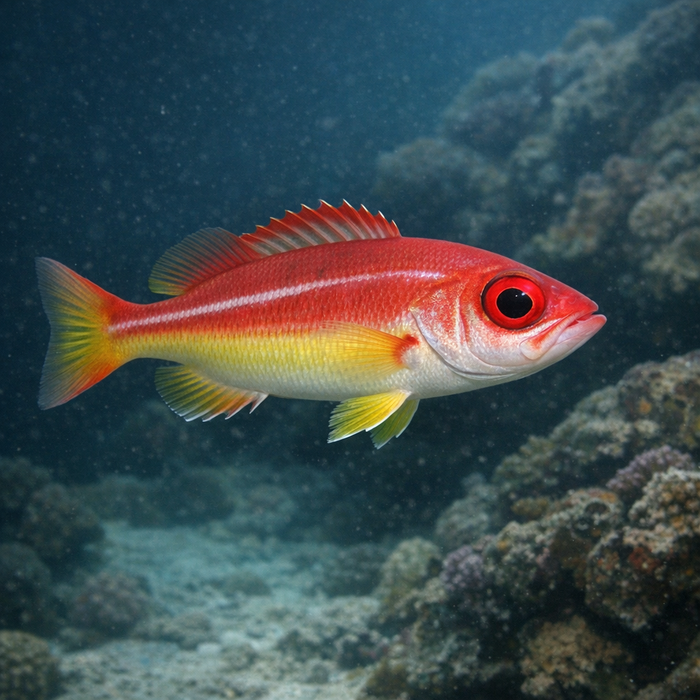
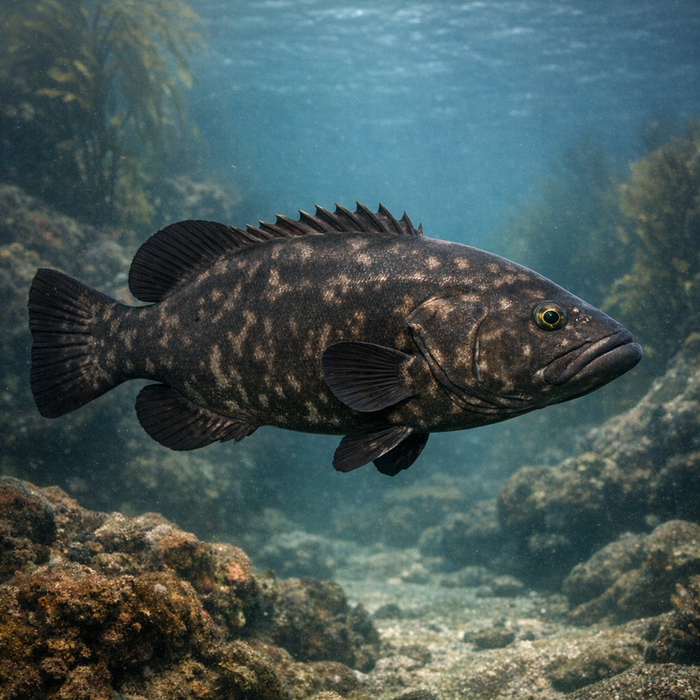
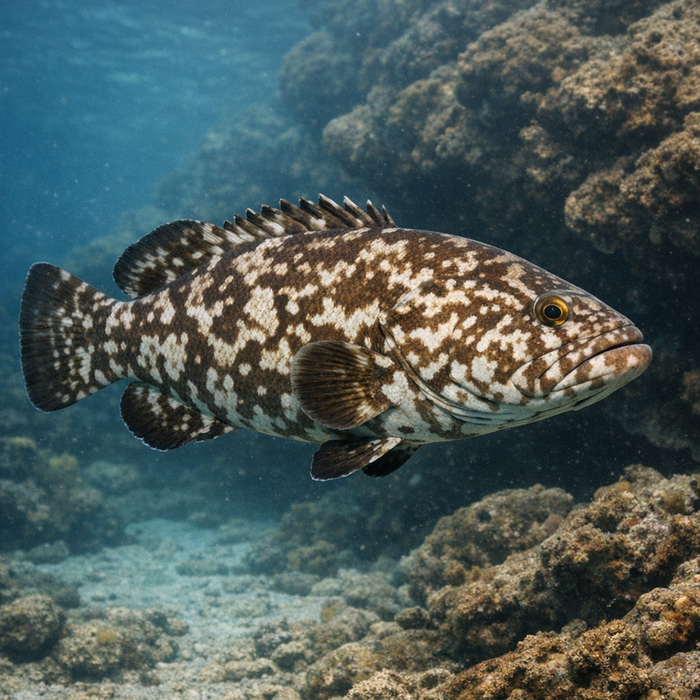
Yellowmouth Grouper (Mycteroperca interstitialis): The reef ambusher with a built-in highlighter pen.IntroductionIf you've ever peered into a reef cave and caught a flash of mustard-yellow, that wasn't bad lighting. The yellowmouth grouper is literally color-coded for the job, sporting a vivid yellow lining in the mouth and throat that screams its ID. This is a smaller, stealthier cousin among the Mycteroperca clan, but it punches way above its weight around ledges and wrecks. Anglers love it for the bulldog surge back to structure and the clean, white fillets. Curious for Yellowmouth grouper facts? Stick around.What Makes the Yellowmouth grouper Unique?Plenty of groupers change colors and lurk in caves, but few carry such an unmistakable yellow signature inside the mouth and gill cavity. That glowing accent is the tell when you're sorting scamp, gag, or other mottled Mycteroperca in the fish box. It's also a more modest unit than some headline groupers, typically topping out in the 20- to low-30-pound class, which means quicker strikes and scrappier fights on lighter bottom gear. Add rapid color shifts and that vacuum-cleaner strike, and the yellowmouth grouper is a reef ninja with flair.Habitat & Global RangeYellowmouth grouper habitat reads like a reef junkie's itinerary: limestone ledges, high-relief coral, patch reefs, and the occasional wreck from the Carolinas through Florida, the Gulf of Mexico, the Bahamas, and the wider Caribbean down to Brazil. Most action happens in 80 to 250 feet, where current brushes edges and bait stacks up, but they'll slide shallower or deeper with temperature and pressure. They prefer structure with holes to duck into, often holding just off the lip in the shade. If you're scouting "Yellowmouth grouper habitat," target edges that funnel flow and concentrate prey.Behavior & TemperamentThink ambush artist with a short fuse. Yellowmouth grouper stage on the down-current side of relief, eyeballing lanes for a quick inhale-and-turn. The first move after hookup is a beeline to the sharpest rock in the county, so a hard drag and fast lift matter. They're typically solitary or loosely grouped, not big roamers, and the bite windows often sync with tidal push, early and late light, and any spike in bait energy. Like many serranids, they're protogynous; smaller fish are usually female, with larger, dominant individuals transitioning to male.Ecological ImportanceThe yellowmouth grouper fills a mid-tier predator role on Atlantic and Caribbean reefs. It trims down small reef fishes, squid, and crustaceans, spreading pressure across a buffet rather than relying on a single prey item. That keeps prey schools from ballooning and helps maintain balance around coral heads and ledges. These fish are also a flag for habitat quality. Healthy coral and rugged limestone attract them, while rubble plains and algae-smothered reefs push them out. When you see stable yellowmouths on your spots, odds are the reef is doing at least a few things right.Conservation & Environmental PressuresHere's the rub: reef predators are slow to mature, sensitive to overfishing, and extra vulnerable when they gather to spawn. Yellowmouths aren't caught in the same numbers as red or gag grouper, but they live on the same crowded rocks and take hits from the same problems: habitat loss, coral decline, heavy bottom pressure, and barotrauma from deep drops. Identification hiccups don't help either. Mislabeling can muck up data and management. Responsible anglers use descending devices for deep releases, keep a sharp eye on species ID, and stay current on closures or aggregate grouper rules.The FishyAF TakeThe yellowmouth grouper is the reef rat you stalk when you want a fight and a dinner plan without bringing a winch to the party. It's less famous than gag, tastier than the hype machine suggests, and way more photogenic when that mouth lights up. Run stout but sensible tackle, hit the edges with live pinfish or a slow-pitch jig, and be ready to yank first and ask questions later. If you like fish with personality and practical table value, the yellowmouth grouper is your kind of trouble.