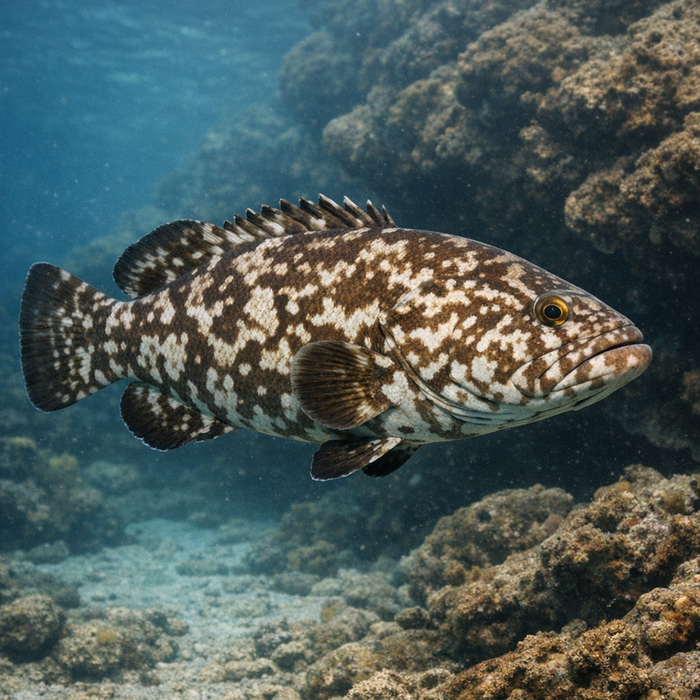
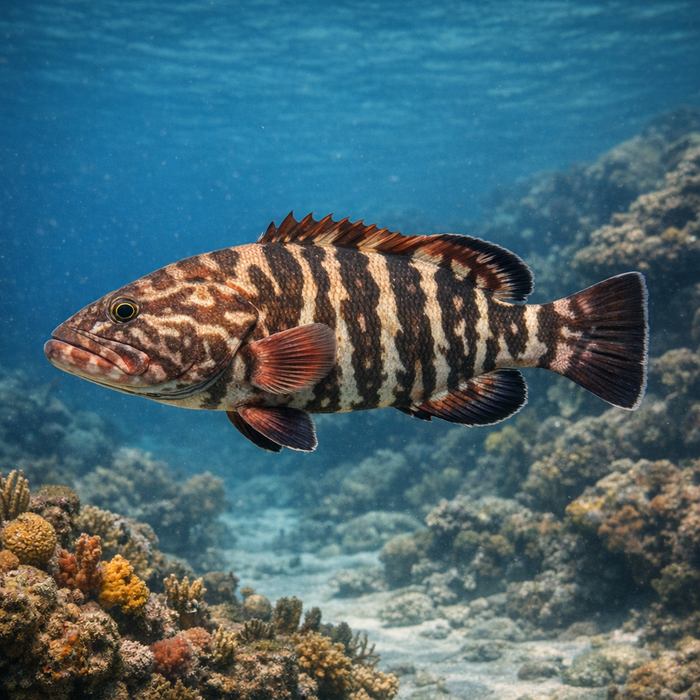
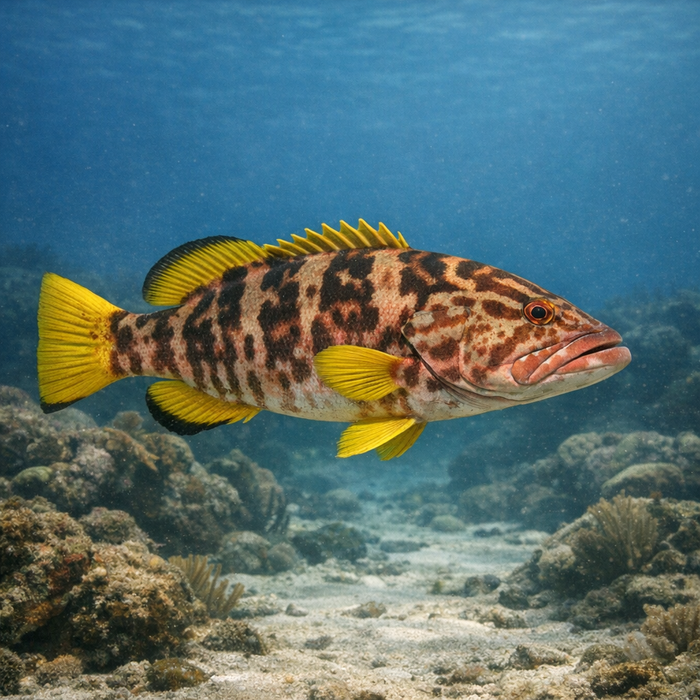
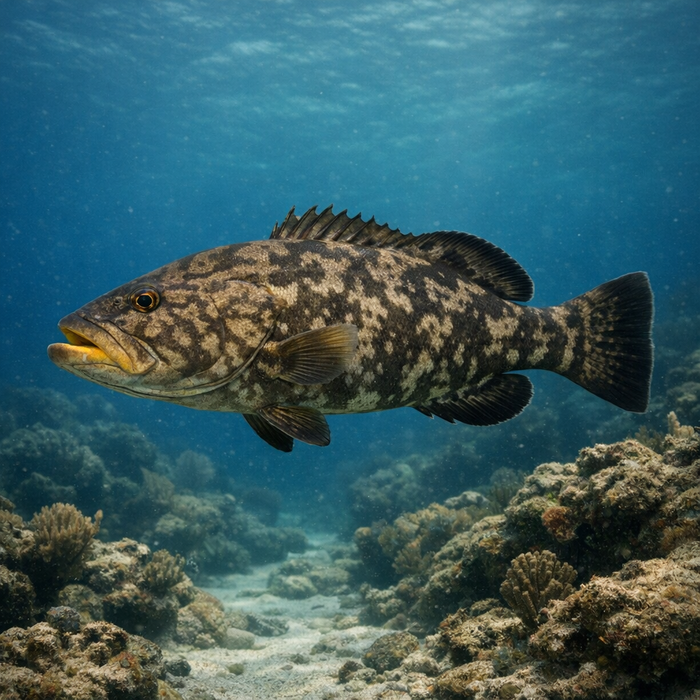
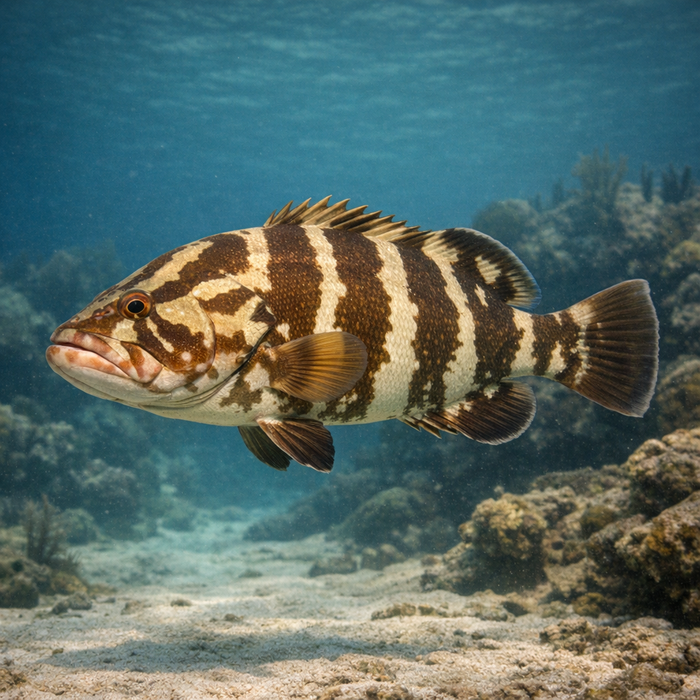
Leather bass (Dermatolepis dermatolepis): The East Pacific reef bruiser with the hide to match its nameIntroductionIf reef country had bouncers, the leather bass would be the one at the door. Thick through the shoulders, all business up front, and sitting right where the current collides with rock, this grouper owns the lane. Anglers who make it to the remote islands and rugged points of the eastern Pacific know the feeling: one bite, one brutal run for the bricks, and your tackle gets graded-pass or fail.What Makes the Leather bass Unique?Start with the skin. Those tiny, embedded scales give a suede-like feel, the reason for the name leather bass. It's not just a cool texture; it's armor for life in surge and lava. Add a cavernous mouth with vacuum power and you've got a predator built to inhale fish that look too big to fit. Then there's the attitude. In some places these fish are downright bold around divers, hovering in the wash like they're checking IDs. Color isn't static either. When fired up, leather bass can throw on dark bars and pale panels in seconds, signaling mood and dominance.Habitat & Global RangeThe leather bass is an eastern Pacific specialist that thrives around island arcs and gnarly mainland points. Think Galapagos, Clipperton, Revillagigedo, Cocos, Malpelo, and sections of the Gulf of California and Panama's offshore reefs. Picture steep walls, ledges, boulder fields, and volcanic tongues swept by nutrient-rich currents. That's prime leather bass habitat. Depth-wise, they patrol where the light fades into work mode-often 30 to 200 feet-close enough to structure to dive-bomb a crevice when spooked and far enough out to intercept bait in the flow. If you're after Leather bass facts, start with this: they're creatures of current and rock, not flats and sand.Behavior & TemperamentThis is a classic ambush predator with opportunist upgrades. Leather bass set up on corners and saddles where bait funnels past, then surge forward with that first explosive tail beat. They'll also cruise edges and shadow rays to mop up disoriented prey. Most of the feeding window bookends the day, but a stiff tide can flip the switch at noon. Hooked fish turn into bulldozers aiming for the nearest crack; let them, and you're gifting tackle to the reef. Despite their grumpy reputation on the line, they can be weirdly calm around divers, floating with slow fin ticks as if surveying the setup.Ecological ImportanceMid-tier reef predators matter. Leather bass thin out reckless baitfish, apply pressure on small snappers and wrasses, and help keep the neighborhood honest. They're long-lived and slow to replace, which makes them good barometers for reef health. Where currents bring life and fishing pressure stays sane, you see thick-shouldered bass and a balanced food web. Where the big ones disappear, you get a creep of small, nervy fish and a reef that feels overworked.Conservation & Environmental PressuresLeather bass occupy high-value real estate, which means they intersect with spearfishing, artisanal handlines, and the occasional charter. The species isn't everywhere, and much of its best ground sits inside or adjacent to marine protected areas. That's both a blessing and a management headache. Poaching is real in remote parks, and legal zones next door can concentrate effort. Warming water, shifting currents, and deoxygenation complicate everything. Fewer pulses of cool, rich water mean slower growth, skinnier bait schools, and less swagger in the big fish. Smart regulation, honest enforcement, and respect for no-take boundaries keep these bruisers on station.The FishyAF TakeLeather bass aren't a numbers game. They're a one-bite exam. If you're willing to ride the surge, fish heavy, and keep your drag angry, you'll meet the East Pacific's most underrated grouper. Skip the ego check at the dock; on the reef, this fish hands out the grades. Land one clean, grab a fast photo, and send it home. You don't need a lanyard full of tags to know you did it right-your scraped knuckles and scuffed jig will say plenty. That's leather bass fishing, and it's exactly the kind of chaos we like.