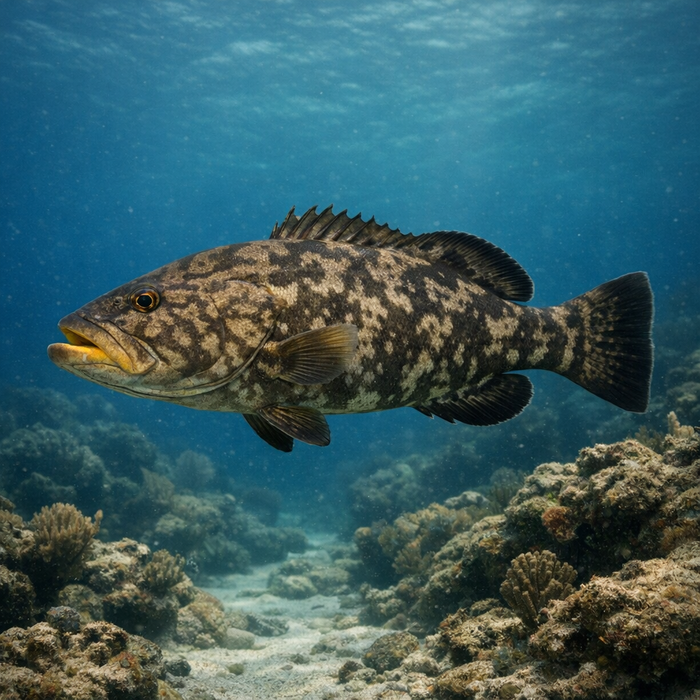
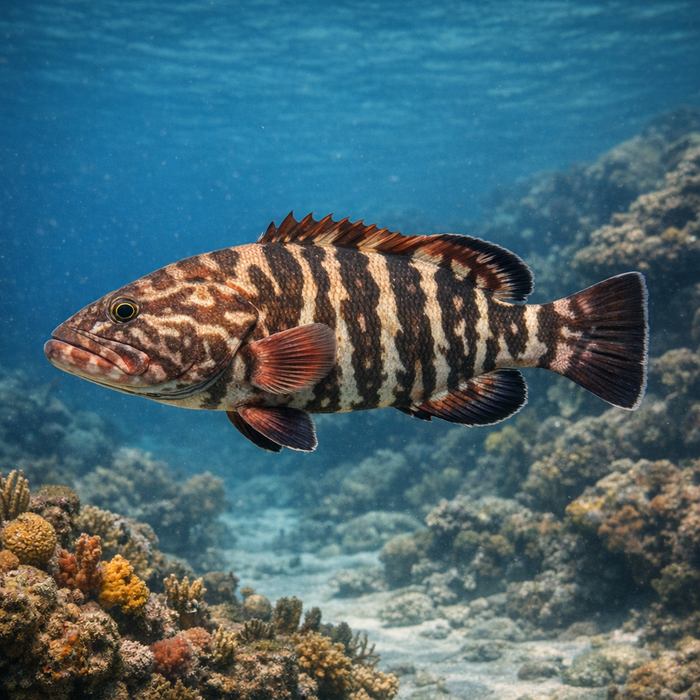
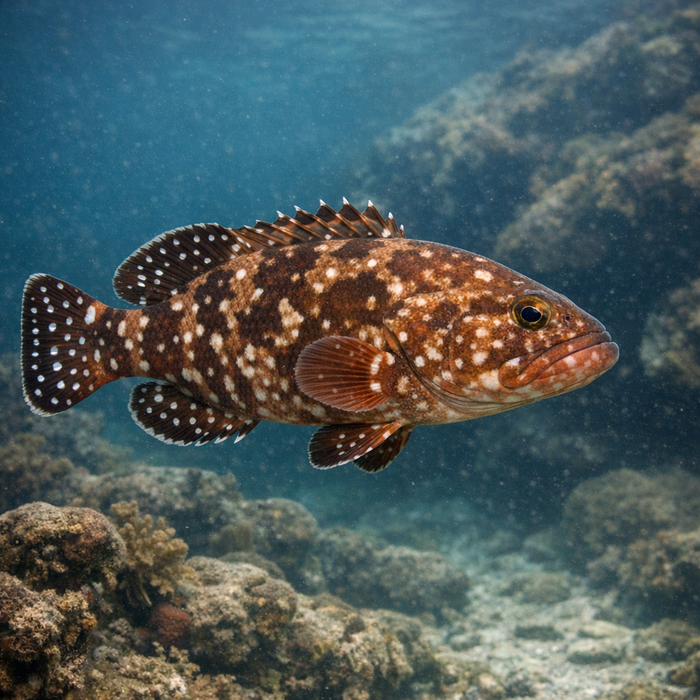
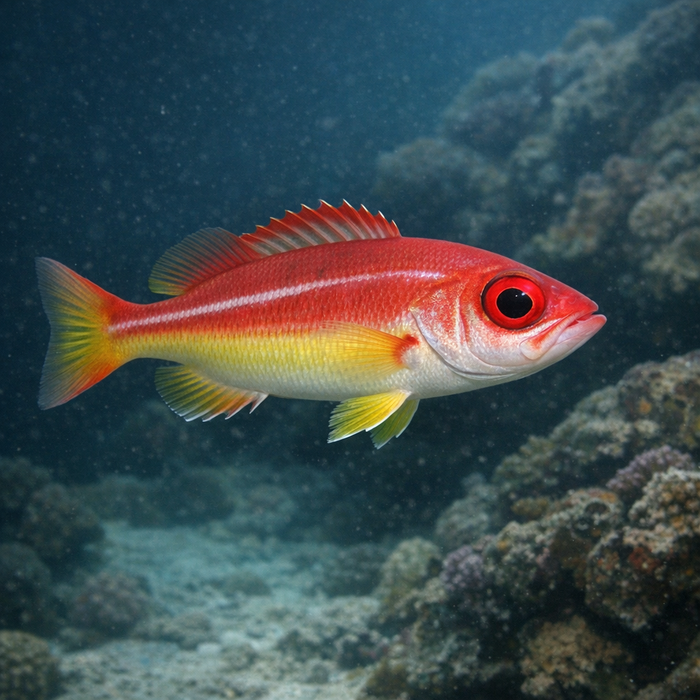
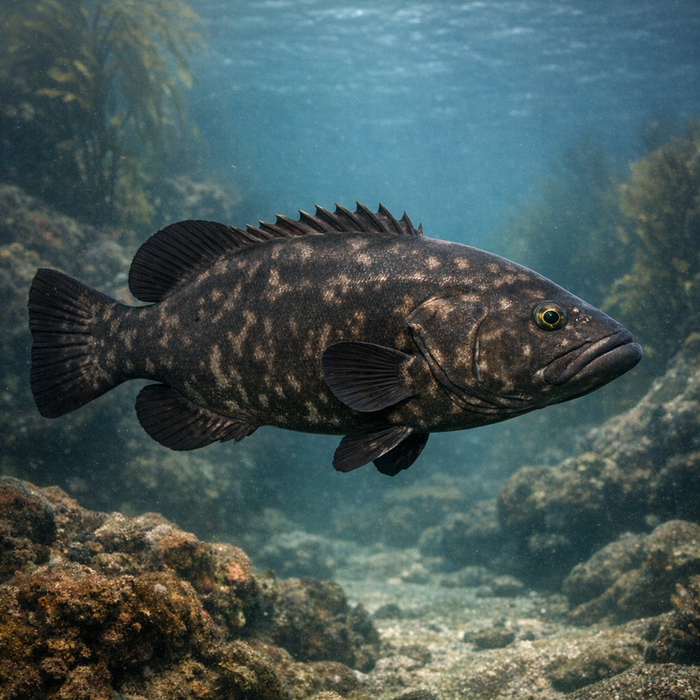
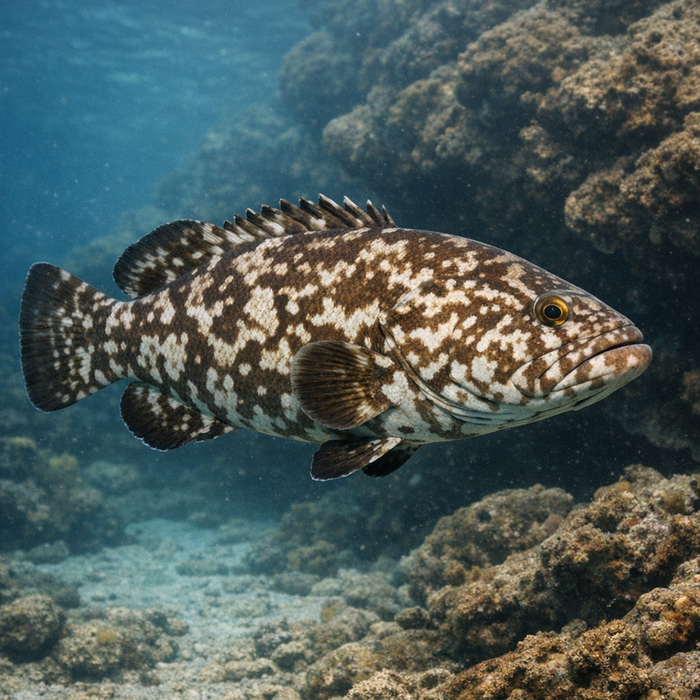
Yellowfin Grouper (Mycteroperca venenosa): A brawler in high-vis fins that owns the reef edge.IntroductionIf you like your reef fish with attitude, the yellowfin grouper delivers. Thick-bodied, rock-savvy, and decorated with unmistakably bright yellow pectoral fins, this is the fish that spools you the moment you blink. It's a staple for Caribbean bottom fishermen and a worthy nemesis for jig addicts who think they can out-muscle anything. Consider this your practical hit list of Yellowfin grouper facts, behavior, and tactics-minus the fluff.What Makes the Yellowfin grouper Unique?First, those fins. The yellow pectorals are a screaming hint you're dealing with Mycteroperca venenosa, not some generic brown reef lump. Second, the chameleon game. One minute marbled and brooding, the next washed pale to blast ambush camouflage, the yellowfin grouper toggles patterns like a reef mood ring. Third, the engine. When hooked, it doesn't run across the ocean; it detonates straight for the ledge and saws you off. The fight is short, violent, and decided in the first five seconds. Few bottom species punish hesitation like this one.Habitat & Global RangeYellowfin grouper habitat is the classic coral-and-rock playset from Florida's Keys and the Bahamas down through the Greater and Lesser Antilles to northern South America, with Bermuda chiming in. Picture outer reef slopes, patch reefs, wrecks tucked near ledges, and limestone shelves where upcurrent edges funnel bait. Depths range from shallow snorkel scenes to deep-blue ledges well past recreational free-diving limits. Juveniles often start life around protected structure before graduating seaward. You won't usually meet them in surf or sandy desert; they want relief, shade lines, and escape hatches.Behavior & TemperamentCall it a sit-and-surge specialist. The yellowfin grouper sets up on ambush corners, pins prey with suction, and rockets back into hard cover when spooked. It's aggressive when it commits but not reckless; heavy pressure can make them peeky, holding deeper or tighter to cover. They'll station at cleaning spots, play color tricks mid-hunt, and stack loosely around drop-offs during certain moon phases. Hook one and you'll learn the house rule fast: lock down or lose.Ecological ImportanceAs a mid-to-upper reef predator, the yellowfin grouper helps keep small fish and invertebrate populations in check, supporting healthy coral-jack-knifefish balances. Its habits influence where baitfish hide, how smaller predators move, and which parts of the reef buzz or nap. Predators like sharks and big barracuda will tax sloppy releases, so quick, thoughtful handling matters. The species ties food webs from mangrove nurseries to outer slopes, making it more than just another tug-of-war machine.Conservation & Environmental PressuresBetween spearfishing, hook-and-line effort, and habitat loss, the yellowfin grouper feels the squeeze. Many groupers, this one included, are slow to mature and form predictable spawning aggregations that can be overexploited. Coral decline and warming seas don't help. Regulations vary by region and are often nested in "grouper complex" rules. Another layer: ciguatera risk climbs with size and area, which shapes harvest behavior in places where locals steer clear of big ones. Respect closures, aggregate limits, and best handling practices so these reef thugs stick around.The FishyAF TakeThe yellowfin grouper is the reef's bouncer: broad-shouldered, cool-tempered, but instantly violent when it's time to move someone along. If you daydream about sleigh rides across open water, wrong fish. If you crave trench warfare-vertical, tactical, and all torque-welcome home. Slide a live pinfish into a ledge mouth or drop a slow-pitch jig down a wall and be ready. The first seconds decide everything. Lose focus and it's goodbye leader, hello barnacles. Nail your angles, pin the head, and win fast. That's the yellowfin grouper way.