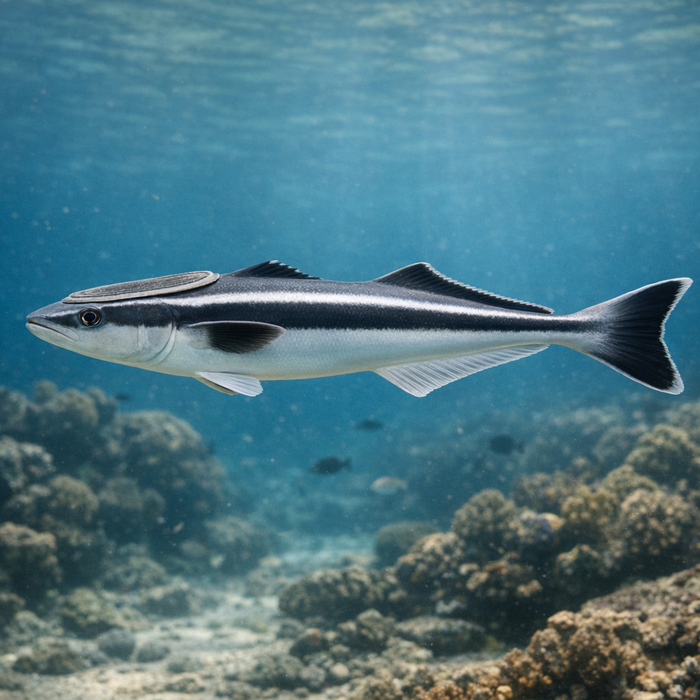
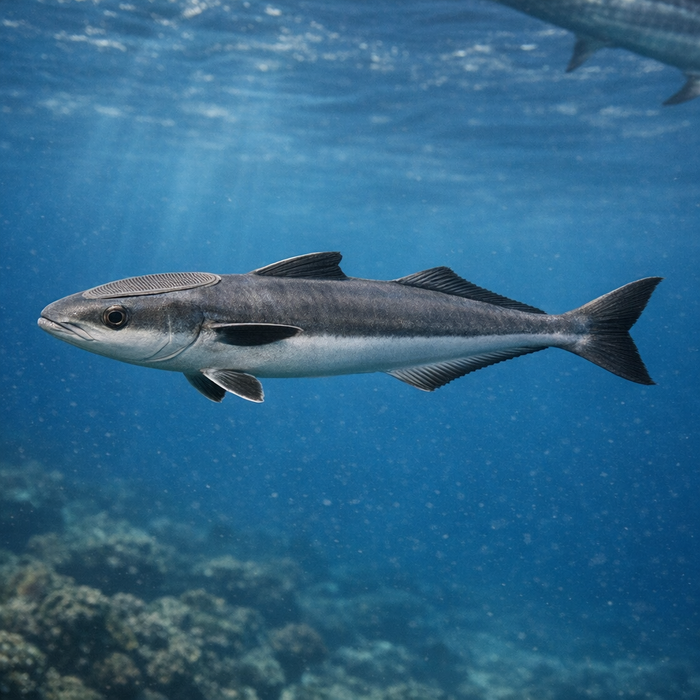
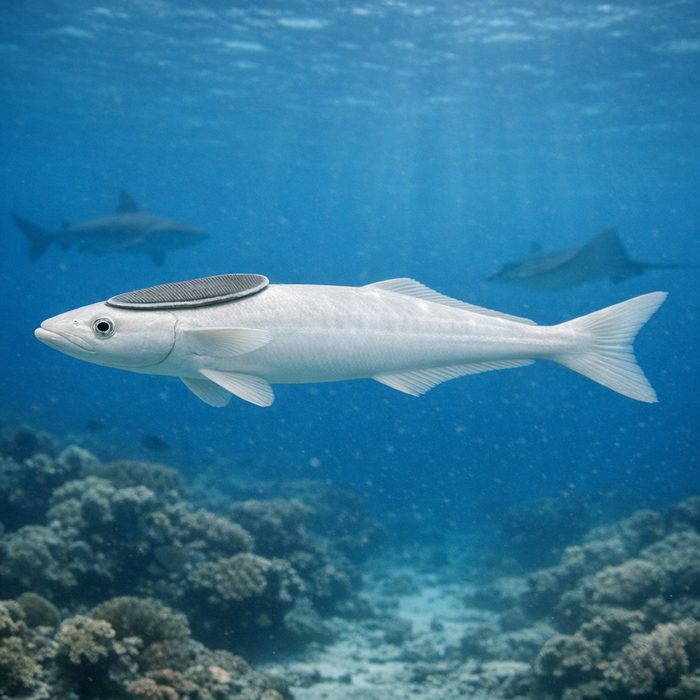
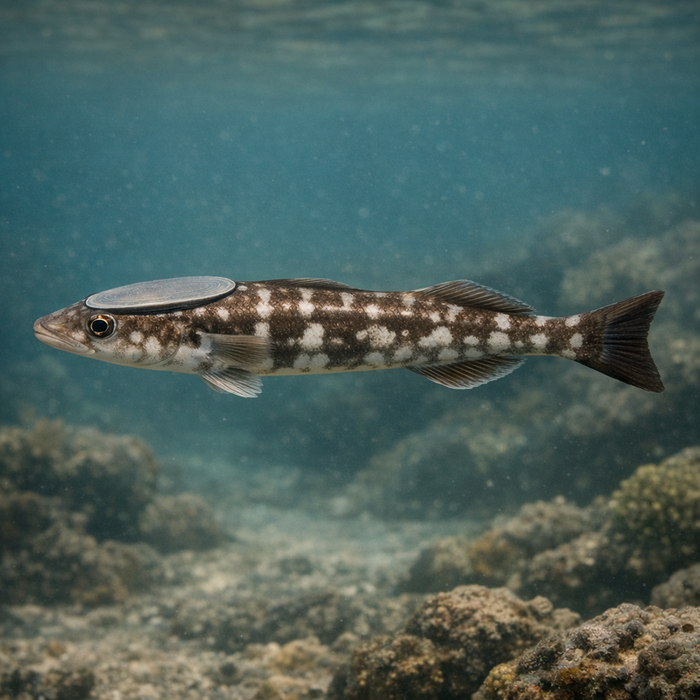
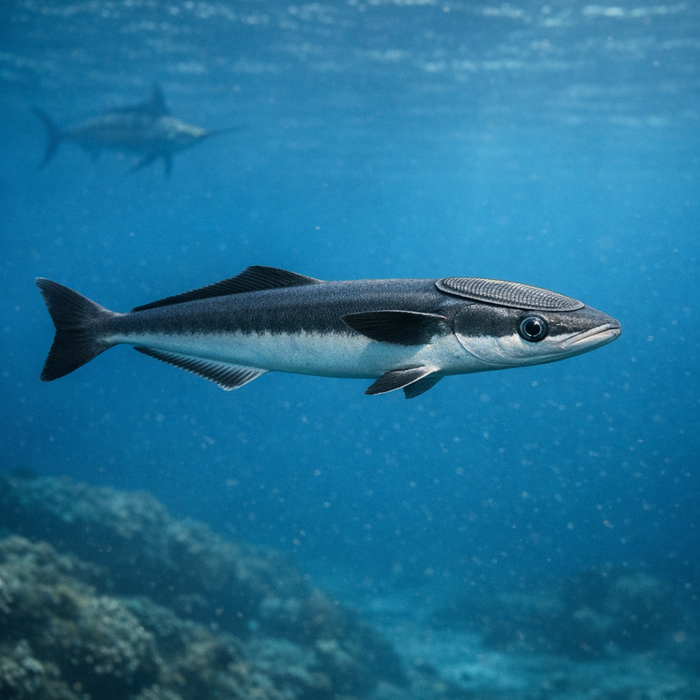
Whalesucker (Remora australis): The hitchhiker with the ultimate frequent-flyer plan.IntroductionMeet the whalesucker, the fish that said no to swimming laps and yes to catching rides on 40-ton taxis. Remora australis is the open-ocean freeloader built to stick to whales, surf their slipstream, and snack on the perks. For anglers, it's a wild curveball: a fish you rarely target, occasionally spot, and never forget. If you want weird, here are the Whalesucker facts that matter.What Makes the Whalesucker Unique?Start with the hardware. The whalesucker's first dorsal fin evolved into a serious suction disk, made of ridged plates that generate grip on slick whale skin. It doesn't just cling; it pivots, reattaches, and positions with surgeon-level precision while its host barrels along. Unlike its remora cousins that favor sharks or billfish, the whalesucker's main gig is whales, especially humpbacks and sperm whales. That host fidelity shapes everything: body built for low drag, feeding strategy tuned to parasites and sloughed skin, and a lifestyle measured in migrations rather than miles.Habitat & Global RangeForget reefs and inshore rips. The whalesucker lives where the blue deepens and horizons blur. Call it classic Whalesucker habitat: pelagic highways where whales feed, breed, and commute. The species is globally distributed in warm and temperate oceans, but presence is completely host-dependent. If whales are staging on banks, cruising migratory corridors, or bubble-net feeding on offshore bait, that's where the whalesucker rolls up-on the whale, not the structure. You'll see them most when whales linger near the surface, and occasionally when a fish peels off a host and drifts within casting range.Behavior & TemperamentThe whalesucker isn't aggressive; it's opportunistic. It conserves energy by drafting behind a massive mammal that does all the heavy lifting. When the host dives, it goes; when the host feeds, it scores leftovers and cleans parasites. Detach, reposition, repeat. In small numbers, they'll loiter around a whale's pectoral fins and belly-prime low-drag real estate. Free-swimming behavior is brief and usually means they're swapping rides or the whale just put the hammer down. Hook one, and you won't get a blistering run; you'll get a stubborn, slippery passenger trying to return to its ride.Ecological ImportanceRemora australis is part cleaner, part recycler, part courier. By removing parasites and grazing on sloughed tissue, it offers modest hygiene benefits to whales. It also stitches together distant ecosystems as it crosses basins on living vessels, potentially moving tiny hitchhikers and nutrients. That symbiosis-neutral to mildly beneficial-lets a small fish piggyback across oceans without exacting a toll on the host. It's a low-drama, high-distance partnership that's fully at home in the pelagic food web.Conservation & Environmental PressuresThere's no big commercial fishery for whalesuckers, and they're not a typical sport target. Their fate is tied to whales and the health of the open ocean. Broad threats like declining prey availability, warming waters, and shipping traffic disruptions can rearrange whale behavior, which in turn shifts where whalesuckers go. Because the species is offshore and host-bound, hard data is thin. Many listings sit as Not Evaluated, and management usually revolves around marine mammal protections and marine sanctuaries rather than the remoras themselves.The FishyAF TakeThe whalesucker is pure ocean oddball and we're here for it. You don't plan a trip for whalesuckers; they just show up when the ocean writes a weird side quest into your day. If you're lucky enough to see Remora australis, treat it like bonus footage: a masterclass in hydrodynamic freeloading stuck to a living submarine. It's one of those species that makes you rethink what "fish behavior" even means. Whalesucker habitat is wherever the whales are, and that alone makes it one of the most memorable fish you'll never forget catching-or just watching.