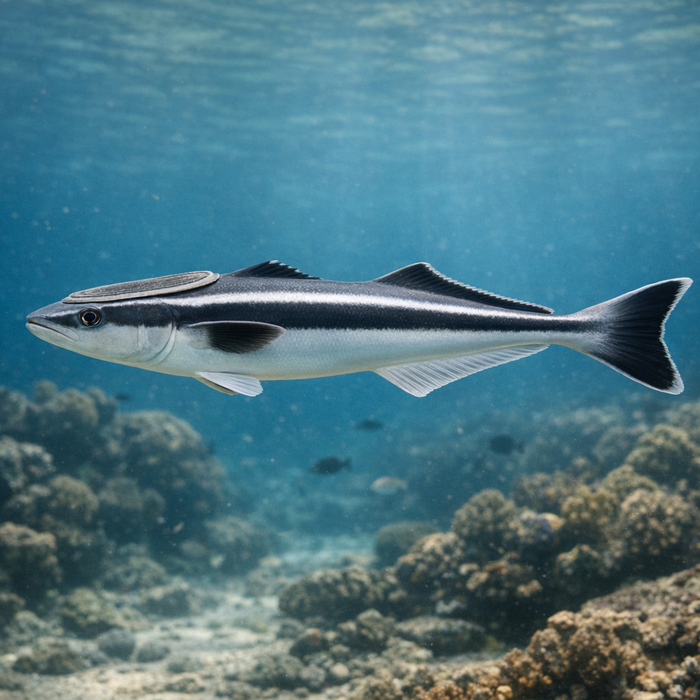
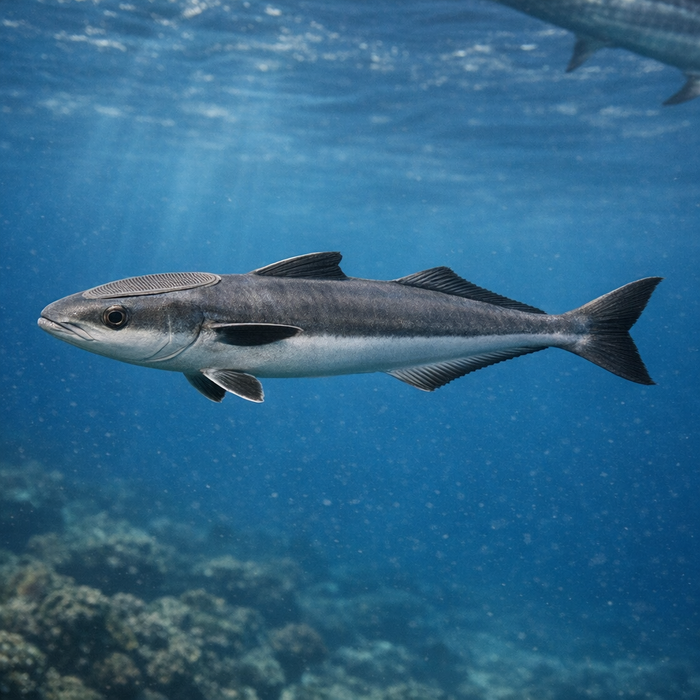
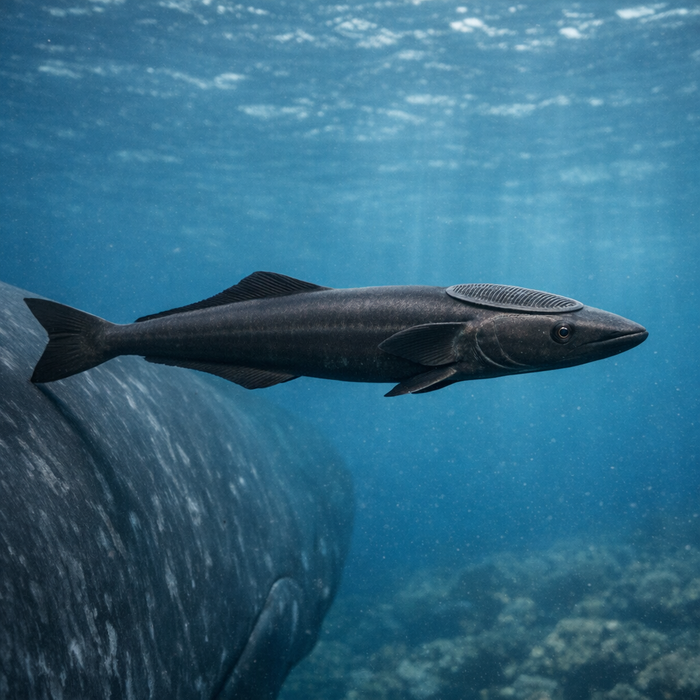
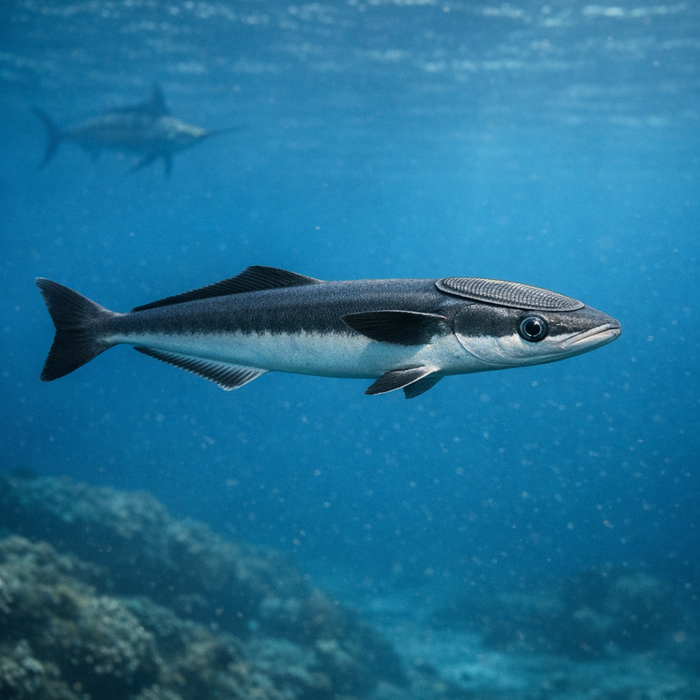
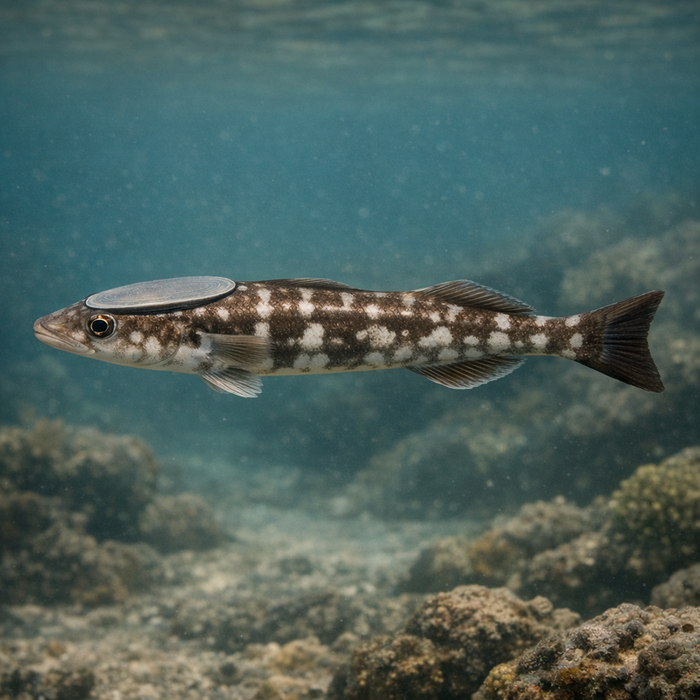
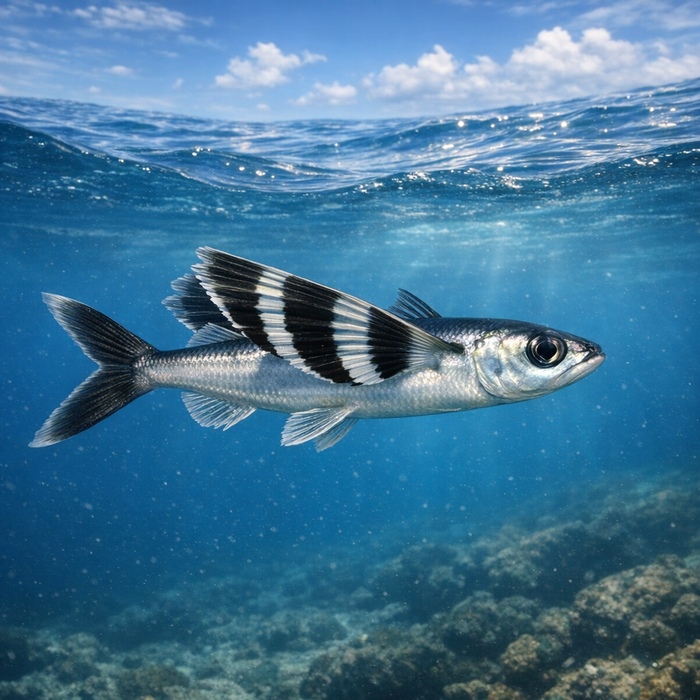
White Suckerfish (Remora albescens): The Ocean's Most Charming HitchhikerIntroductionMeet the fish that refuses to pay for its own ride. The white suckerfish is the pale, streamlined remora that freeloads across oceans on sharks, billfish, turtles, and even your boat if you let it. It's not exactly a headline sportfish, but it's a reliable conversation starter. You don't target one so much as discover it stuck to your day. If you want White suckerfish facts with a little attitude, you're in the right place.What Makes the White Suckerfish Unique?Start with the hardware: a fleshy suction disk that used to be a dorsal fin. The disk's ridges create drag-based grip, meaning water flow actually improves the hold. Swim backward and the fish pops free like yanking Velcro. Second, coloration. Among remoras, this one runs light-silvery to whitish-often glowing under deck lights and blending cleanly against bright hulls and turtle carapaces. Third, its lifestyle is pure efficiency. The white suckerfish rides a living buffet line, grabbing parasites and scraps while letting the host do the heavy lifting.Habitat & Global RangeIf you're looking for the White suckerfish habitat summary in one breath: tropical and warm-temperate blue water, anywhere big animals cruise. You'll see them offshore along current lines, near weed mats, and around pelagic life. They aren't picky about zip codes, just hosts. Global warm seas are fair game, from the Florida Straits to the Kona Coast to the Azores and the Great Barrier Reef corridors. They'll also ghost around boats and buoys, then slip back to a shark's flank when opportunity knocks.Behavior & TemperamentThis isn't a brawler. Hook one and you'll get quick spurts and a corkscrewing shimmy. The real show is the attachment act. The fish positions itself, angles the disk, and locks in. It can even cling to slick fiberglass. You'll often spot a white suckerfish near the surface in calm water or shadowing a ray's wingtip. They're alert but not especially spooky. If food trickles down-chum bits, shrimp scraps, tiny baitfish-they'll grab without fuss. Schooling is loose and opportunistic; one fish will often shadow another's host.Ecological ImportanceWhite suckerfish play the ocean's cleanup crew. By removing parasites and eating leftovers, they reduce drag and irritation on their hosts. That's not just a courtesy; a less-stressed, more hydrodynamic shark or turtle spends less energy moving and feeding. The white suckerfish also moves nutrients around the open ocean, transforming random scraps into calories that keep it traveling. It's a small fish hitching a ride in a big machine, but its role is tidy and useful.Conservation & Environmental PressuresGood news: white suckerfish aren't heavily targeted, and current assessments place them at low concern. The bad news is the open ocean changes fast. Floating plastic, ghost nets, and shifting current regimes can alter the pelagic neighborhood. If the big animals reroute, the remoras follow-or miss the train. They also wind up bycatch when anglers are focused on the host. Handle them gently, unstick the disk with a wet hand, and send them back to their carpool.The FishyAF TakeThe white suckerfish is the ultimate offshore plot twist. You're rigged for wahoo and marlin, then notice a pale silhouette clamped to your trim tab like it owns the boat. It's not a trophy by weight, but it is a trophy by story. For anglers, a White suckerfish is proof your spread intersected with life. Want more White suckerfish facts? Here's the punchline: it thrives by being lazy in the smartest possible way. Respect the hustle, take the photo, and let it get back to work catching the next ride.