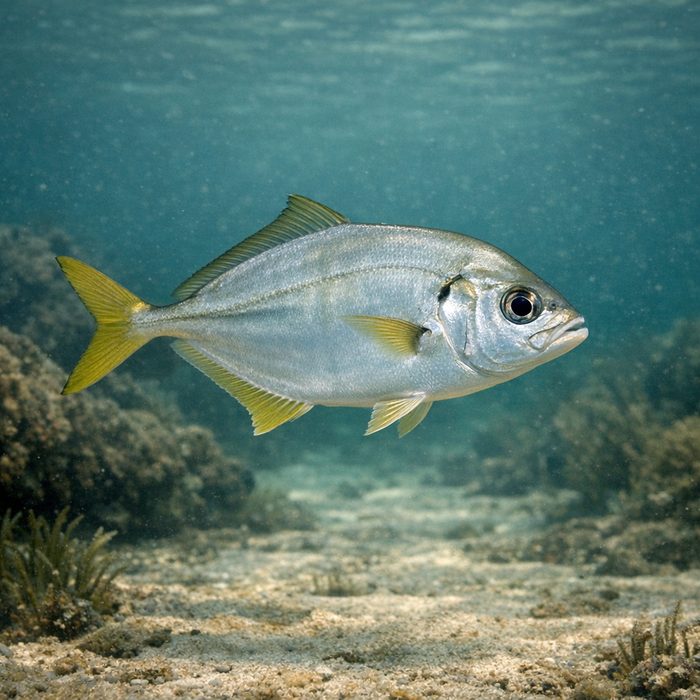
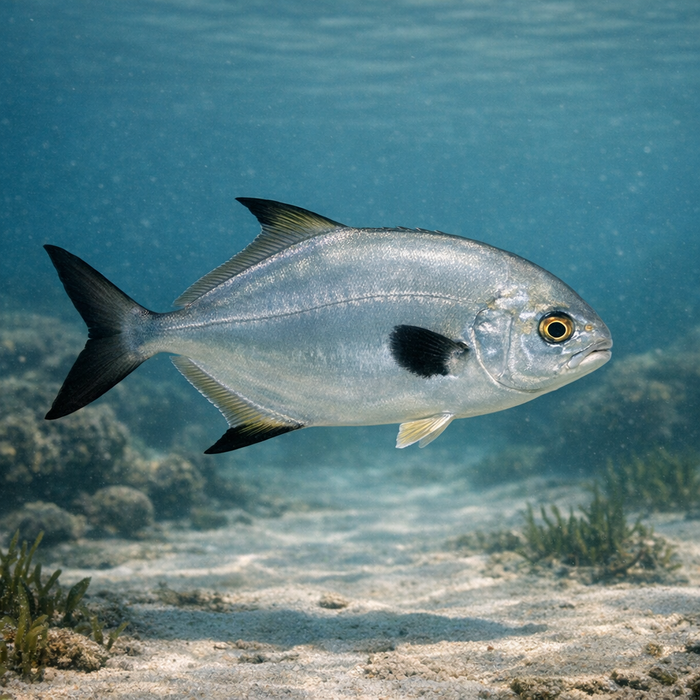
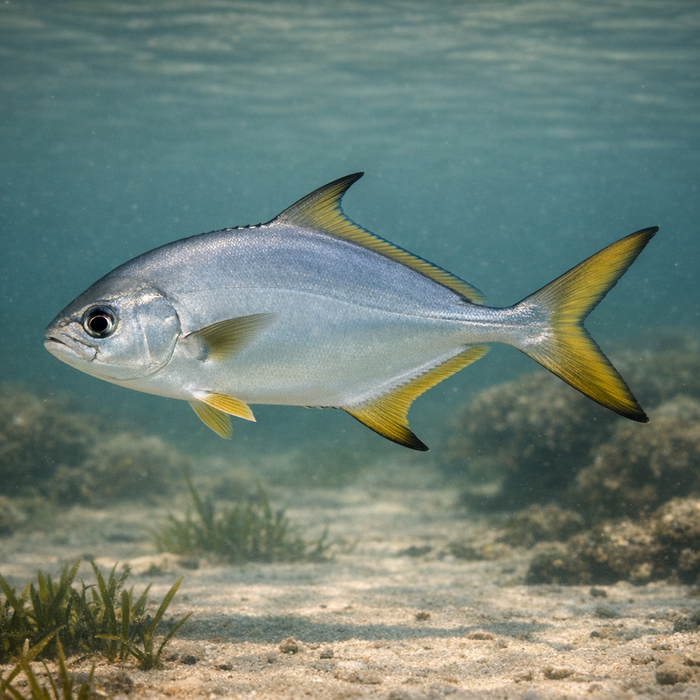
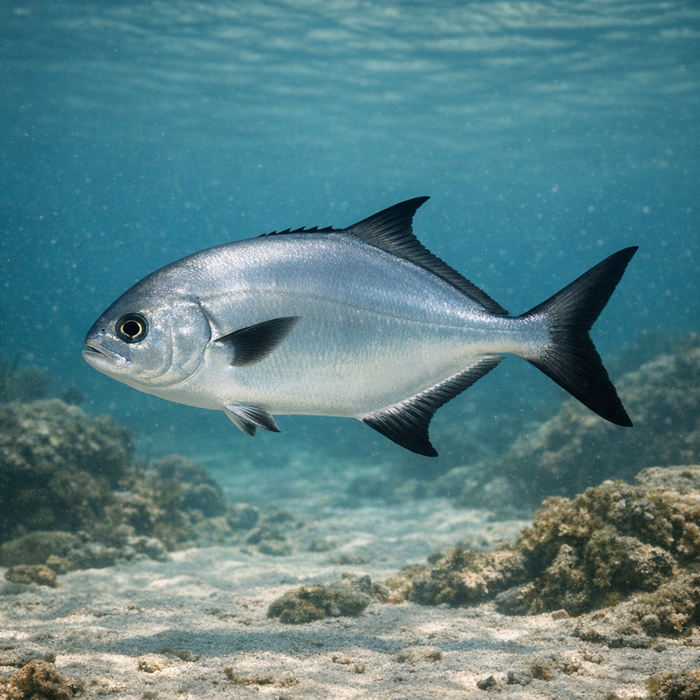
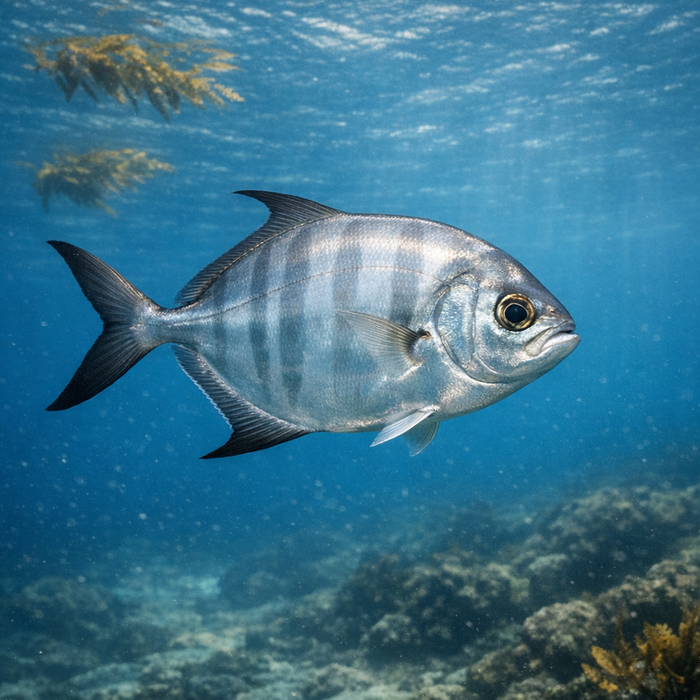
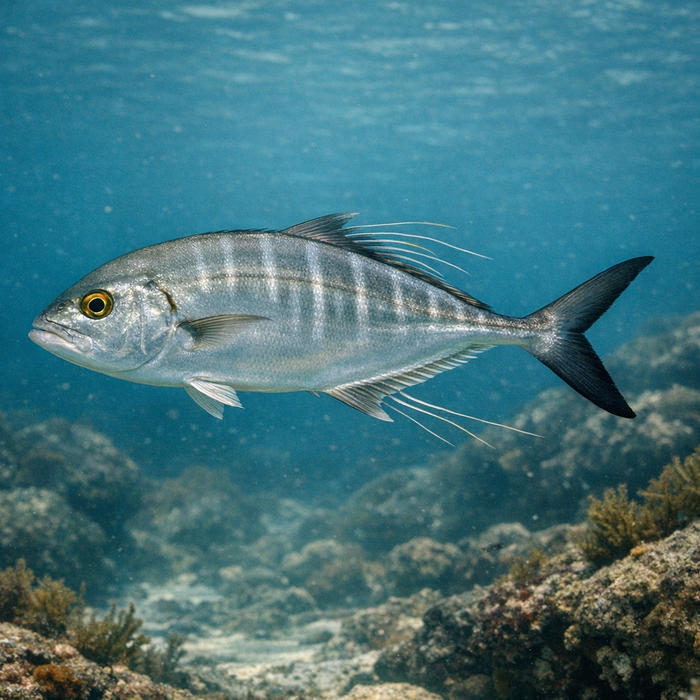
African Pompano (Alectis ciliaris): Chrome Muscle With Midwater MayhemIntroductionIf you like your fish shiny, mean, and allergic to staying hooked, the African pompano is your kind of chaos. This silvery sledgehammer blitzes bait over wrecks and reefs, then bulldogs into the deep the second steel touches jaw. It's not a permit, not a flatlander pompano, and definitely not subtle. It's a Carangid bruiser with a mirror finish and a motor that doesn't quit.What Makes the African pompano Unique?First, the look. Juveniles trail long, silky fin filaments that mimic jellyfish tentacles, an outrageous disguise that vanishes as they bulk up. Adults are deep-bodied and blade-sleek, with that classic jack profile and a glassy, reflective sheen that can literally flicker them from visible to invisible with a roll. Second, the attitude. The African pompano hits like a bar fight, then leans into wide, grinding circles that test knots, drags, and egos. Third, the midwater game. While most reef fish hug bottom, these roam the column above structure, ambushing bait schools in motion.Habitat & Global RangeThe African pompano habitat story centers on coastal wrecks, artificial reefs, ridges, and current-swept drop-offs. They're a tropical and subtropical citizen with an almost passport-stamp range: Atlantic, Indian, and parts of the Pacific. Think Florida and the Gulf, the Caribbean maze, West Africa's islands and capes, and Indian Ocean hotspots like the Seychelles. They're not homebodies. Current is king for this species; moving water gathers bait, and bait brings chrome. You'll spot most action 60 to 250 feet down, often hovering just up-current of steel or coral. In cooler fringe zones they ride seasonal pushes and show up like a rumor, then disappear when temps drop. That's your practical African pompano habitat snapshot.Behavior & TemperamentThese fish are sprinters, not marathoners. Expect slash-and-grab hits when bait stacks, then stubborn power as they settle deep to grind you down. African pompano often run in small packs, but big singles patrol too. They're not particularly spooky, yet they demand competent presentation: baits or jigs should pass at their level and with the speed the current dictates. Miss the zone and you'll watch them ghost by. Hook one near jagged wreckage and they'll try to saw you off with torque and angle.Ecological ImportanceAs midwater predators, African pompano connect the pelagic bait parade to the reef's resident hunters. They recycle energy vertically, trimming sardines, scads, and small squid, and then donating calories to sharks and larger jacks. That chrome suit may look bulletproof, but they're a vital step in the ladder, keeping bait pulses honest and reefs lively.Conservation & Environmental PressuresGood news: the species is generally listed as Least Concern. Still, they're not invincible. Overcrowded wrecks, unchecked spearfishing in some pockets, and the death-by-a-thousand-cuts from coastal development can whittle opportunity. Add warming seas shifting currents and you get fish that yo-yo in and out of traditional spots. Large individuals in tropical systems may accumulate ciguatera toxin, a reminder that reef food webs are complicated and worth protecting.The FishyAF TakeThe African pompano is the chrome coin you pray lands heads. They're pure theater: bait showers, rod bows, line screams, then a stubborn, spiraling tug-of-war. They're honest fish too. Get the drift right, feed them something lively or rip a metal like you mean it, and they'll answer. Mess around with sloppy angles or weak leader and they'll teach you new vocabulary. If you're collecting African pompano facts, start with this: they are midwater problem-solvers. If you learn to read current, structure, and bait in three dimensions, you'll unlock a fish that feels custom-built for modern tackle and fast hands. Not a prima donna, not a pushover-just chrome with attitude.