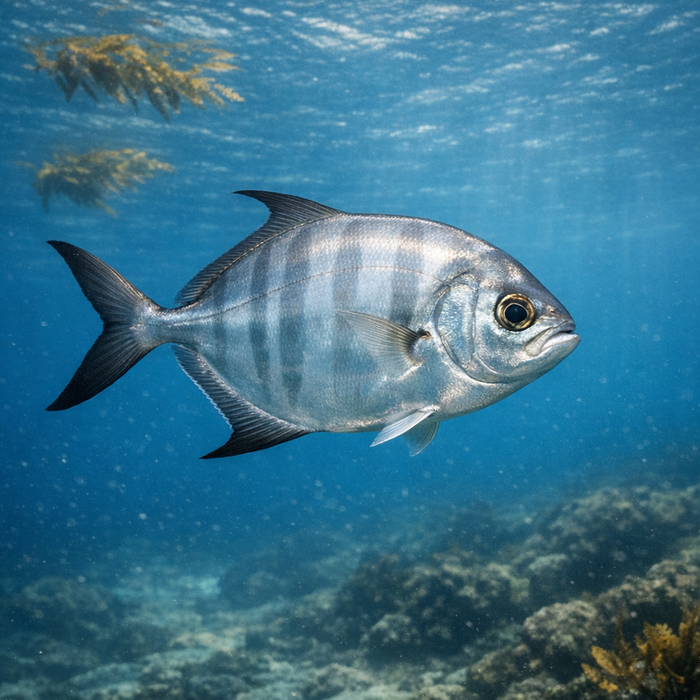
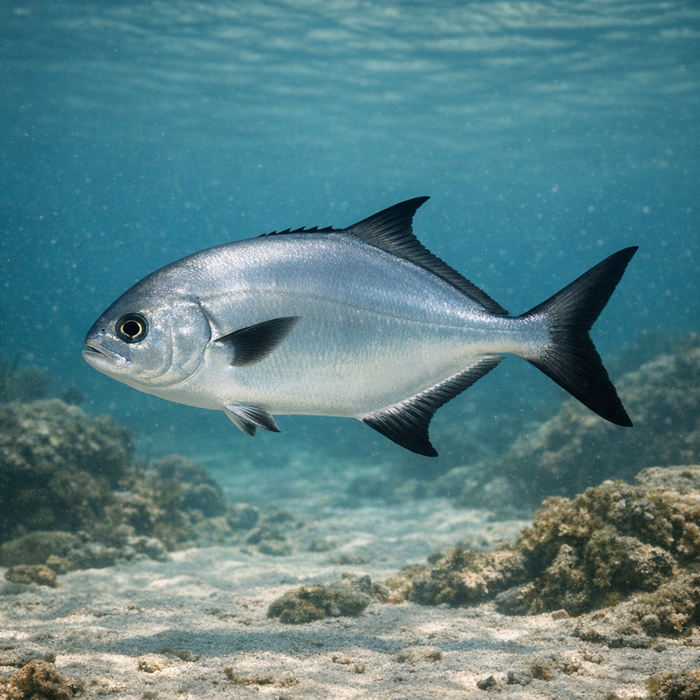
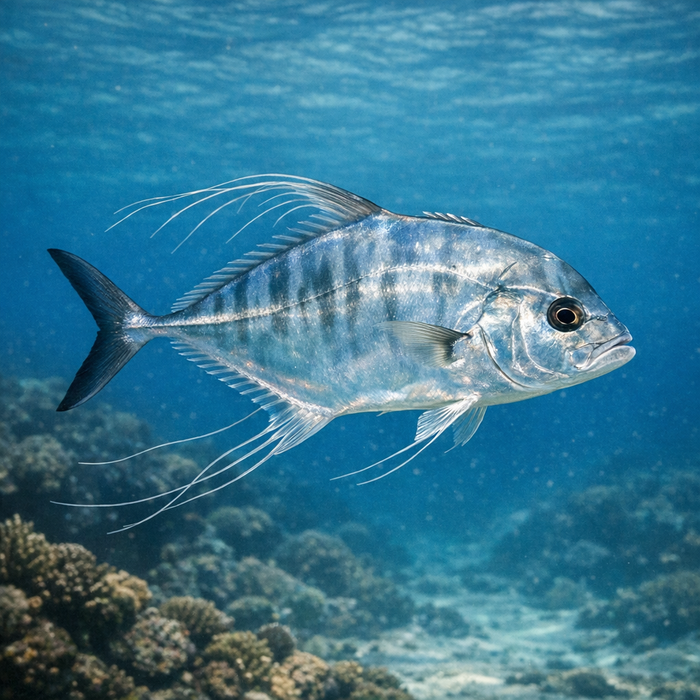
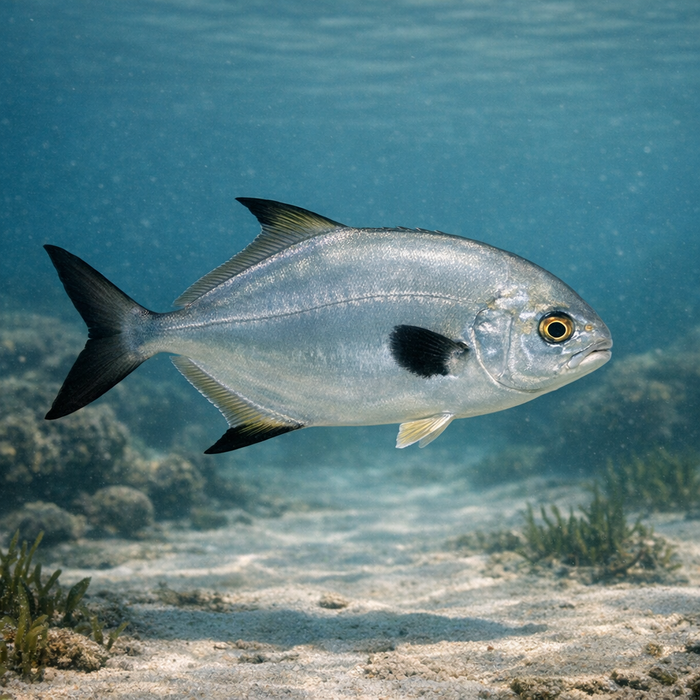
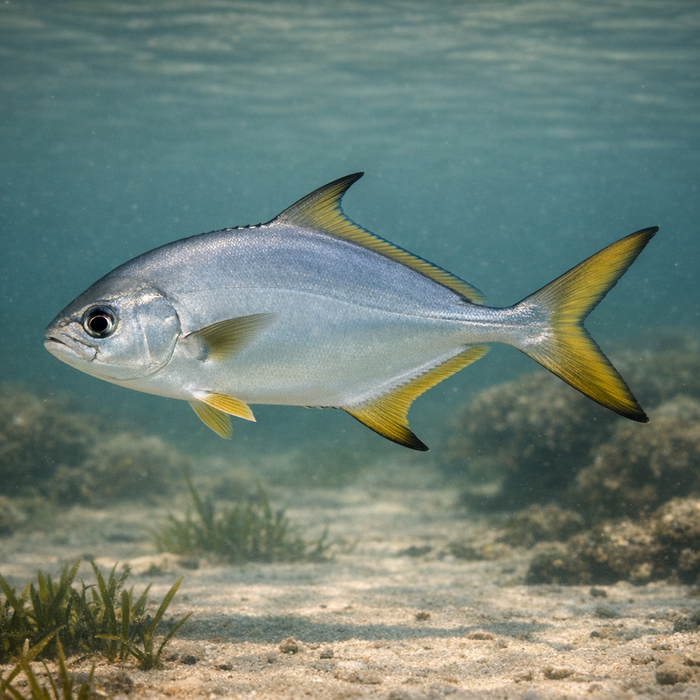
Atlantic Bumper (Chloroscombrus chrysurus): The Shiny Schooler That Crashes The PartyIntroductionThe Atlantic bumper is that silver flash zipping through your chum slick right before the mackerel show. Not the headliner, but always in the lineup, these small, deep-bodied jacks travel in tight packs and vacuum anything bite-sized. For anglers who appreciate action over ego, the Atlantic bumper delivers-fast grabs, quick jolts, and a pile of chrome in the well when you need fresh bait or a light-tackle warmup. Consider this your crash course in Atlantic bumper facts without the boring fish-lab vibe.What Makes the Atlantic bumper Unique?First, the shape: more pancake than torpedo, with a steep, blunt forehead and a narrow tail wrist. That deep-bodied profile is classic jack, but condensed. Second, the color play: bright mirror-silver one moment, faint dusky bars the next when the school gets spooked. Third, the species name chrysurus-golden-tailed-points to the yellow wash on the forked tail that helps ID the fish in mixed schools. Toss in the tail scutes, those tiny armored plates along the lateral line near the caudal fin, and you've got a compact inshore racer built for tight turns and group maneuvers.Habitat & Global RangeThe Atlantic bumper works the inshore corridor: coastal bays, harbors, mangroves, surf zones, and the edges of nearshore reefs. If there's current, bait, and some surface texture, they're probably close. You'll see them along tide lines, pier lights, channel edges, and around bait-holding structure like buoys and jetties. They roam widely across the tropical and subtropical Atlantic, with strong presence through the Southeast, Gulf Coast, and Caribbean. When you think Atlantic bumper habitat, think life on the move: drifting Sargassum mats, rips and color changes, or any intersection where micro-bait piles up.Behavior & TemperamentSchooling is the whole playbook. Bumpers pack into shimmering pods, pinwheel through bait clouds, and strike fast when tiny fish or crustaceans scatter. Juveniles pull a bold trick: they shelter beneath jellyfish bells and Sargassum carpets, grabbing free meals while dodging predators efficiently. The bite is often impulsive-small hooks and shiny profiles get smashed-but the fight is a short, jittery brawl rather than a slugfest. Expect quick darts and spins more than long runs. They feed midwater and will pop toward the surface around slicks, lights, or chased bait.Ecological ImportanceAtlantic bumpers convert massive amounts of micro-bait into calories for the food web. They're a key link between plankton-eaters and apex hunters like mackerel, jacks, snook, and coastal sharks. Eggs and larvae drift offshore, feeding everything from filter-feeders to larval predators. Because they school tightly and feed in bursts, a single bumper pod can flip local predation dynamics in minutes. They also share parasite loads across communities by moving between reefs, bays, and open drifts, making them small but busy players in coastal ecology.Conservation & Environmental PressuresThe species is listed as Least Concern, helped by short lifespans, broad range, and prolific reproduction. Still, the usual coastal headaches apply. Habitat degradation in estuaries, nutrient-fueled algal blooms, low-oxygen events, and plastic-choked Sargassum lines all hit them where they live. Light commercial harvest and bycatch happen, though the bumper isn't targeted heavily. For anglers, the bigger risk is simply losing the inshore complexity that makes these fish thrive. When bays simplify and bait thins, schooling midwater species feel it first.The FishyAF TakeThe Atlantic bumper is the silver confetti of the coast: everywhere there's a party, it shows up. If you're too proud to enjoy them, that's your loss. They're perfect on light gear, dynamite for bait, and a reliable read on whether the inshore scene is alive. Keep a micro-jig or sabiki handy, fish the rips and lights, and watch the water switch on when a bumper school slides through. Small fish, big personality, zero attitude-exactly the kind of inshore chaos we live for.