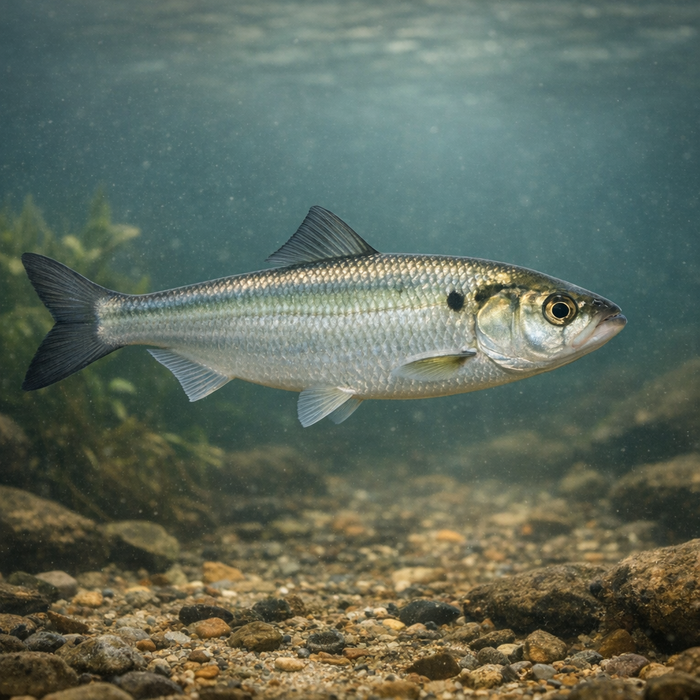
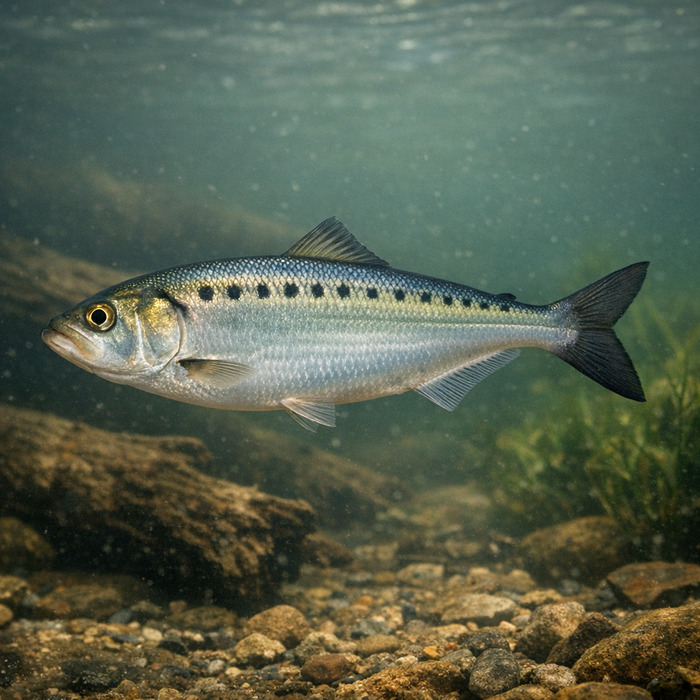
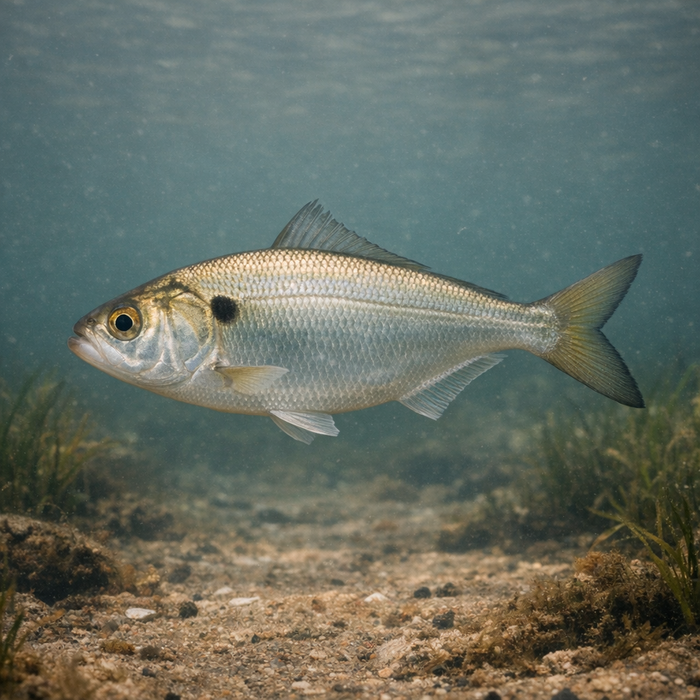
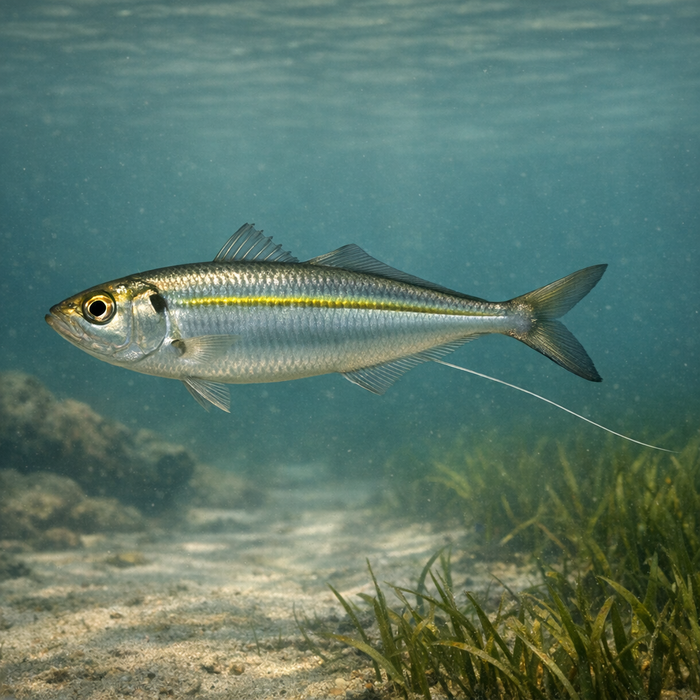
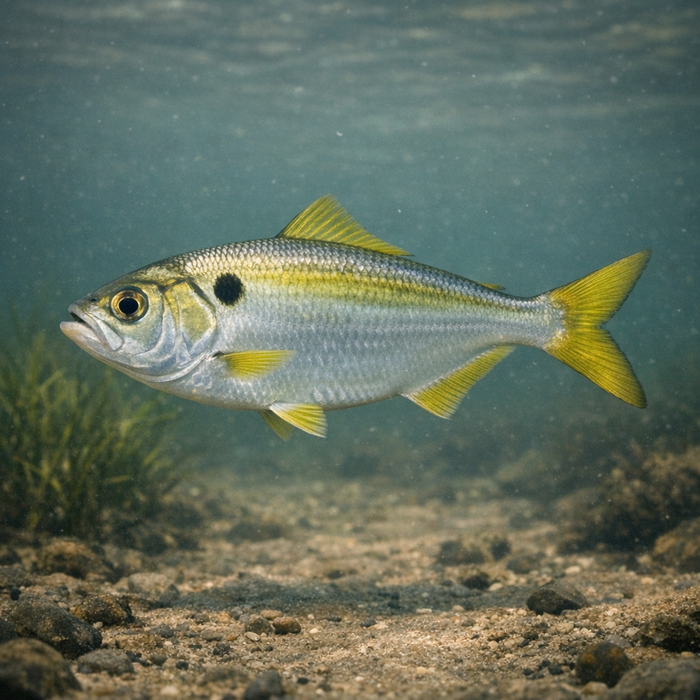
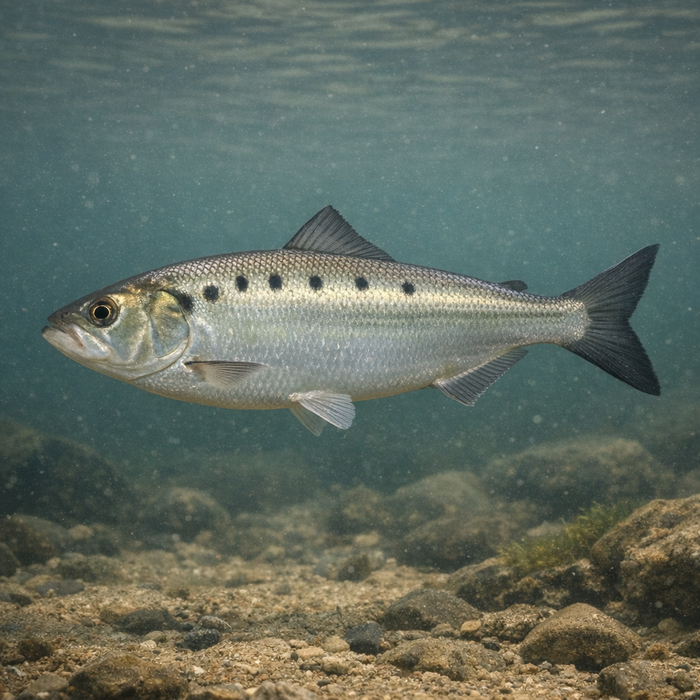
Alewife (Alosa pseudoharengus): Small Fish, Big DramaIntroductionThe alewife is the little silver engine behind some of the loudest stories in North American fisheries. It has fueled legendary salmon runs, carpeted beaches with stinky die-offs, and flipped lake food webs like a table at last call. If you want Alewife facts with teeth, start here. This is a baitfish with consequences.What Makes the Alewife Unique?First, those gill rakers. Alewife pack ultra-fine sieves along their gills that vacuum plankton others miss, turning tiny prey into serious biomass. Second, they moonlight as ecological kingmakers. When alewife populations explode, predators thrive or crash depending on timing, temperature, and management. Third, their chemistry matters: alewife carry thiaminase, an enzyme that strips vitamin B1. That one biochemical quirk has kneecapped salmonid reproduction in parts of the Great Lakes and reshaped stocking programs. Not bad for a fish that rarely cracks a pound.Habitat & Global RangeThe classic Alewife habitat picture is simple: an anadromous herring schooling offshore, then surging up coastal rivers each spring to spawn. But the species is also landlocked across the Great Lakes and many inland lakes, creating self-sustaining lake populations that never smell salt. In rivers, they ride tides and current seams, slipping through fish ladders and congregating below falls and dams. In lakes, they roam midwater and near-surface layers, especially at night when plankton rises. Warm a lake too fast or trap them behind barriers and you can get those infamous die-offs. Cool the water just right and you'll watch sonar screens fill with silver.Behavior & TemperamentAlewife are schooling machines. They move like a single mind, slipping through midwater, flashing as one, then vanishing. They're not cagey in the bass sense; more like opportunistic vacuum cleaners tuned to current, light, and plankton pulses. During spring runs, they stack tight in eddies and plunge pools. At night they feed high and light, those big eyes doing overtime. Hook one and you'll feel a jitter, not a brawl. The fight is nothing to write home about, but the volume is the show.Ecological ImportanceThis is the keystone baitfish you ignore at your peril. Alewife convert plankton into protein for stripers, salmon, trout, walleye, lake trout, and a whole cast of biters. But their appetite for large zooplankton can trigger a classic trophic cascade, sometimes boosting algae and cutting water clarity. They also carry thiaminase, which can starve embryos of B1 and sink salmonid recruitment unless hatcheries supplement broodstock. The Great Lakes salmon story? Managers stocked Pacific salmon largely to rein in absurd alewife numbers. One tiny herring, multiple fisheries rewritten.Conservation & Environmental PressuresSea-run populations took hits from dams, degraded Alewife habitat in rivers, and bycatch. Several Atlantic states closed river herring harvests to help stocks rebound. Landlocked systems face their own drama: cold snaps, thermal stratification shifts, and predator dynamics. Climate change and warming surface layers shuffle spawning windows and push fish into less forgiving temperature bands. The good news: improve passage, protect flows, and reduce mortality, and alewife bounce back fast. They breed in numbers and respond quickly when the runway is clear.The FishyAF TakeFor a fish smaller than your forearm, the alewife moves mountains. It is the hinge pin on which entire sport fisheries swing. You want stripers crashing bait, salmon screaming drags, pike patrolling shelves? You better care about alewife. This is the fish that turns screens into blizzards and rivers into conveyor belts of silver. Learn the rhythms, respect the runs, and check your regs. The smartest anglers don't just chase predators; they read the bait. And the alewife writes in bold.