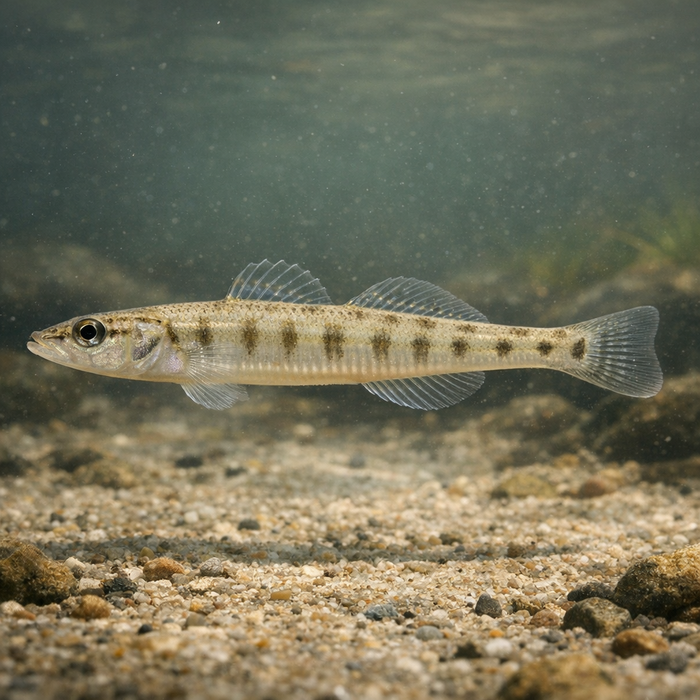
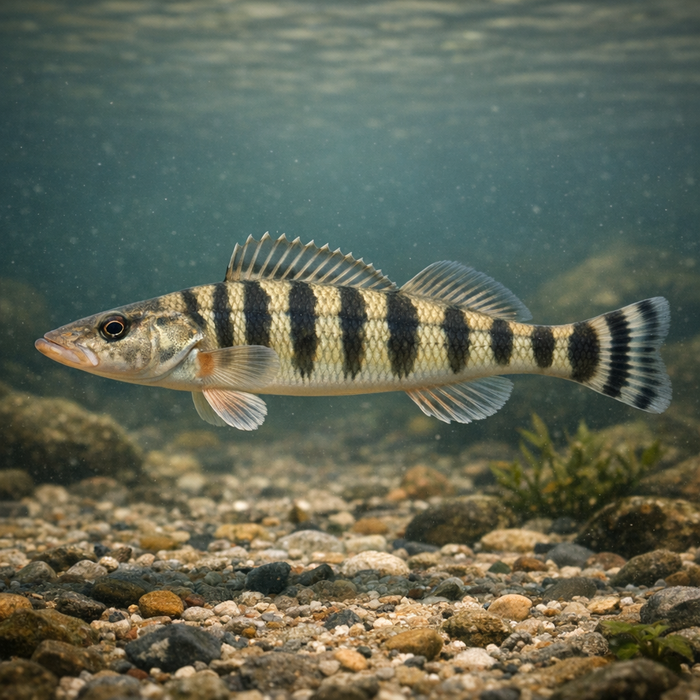
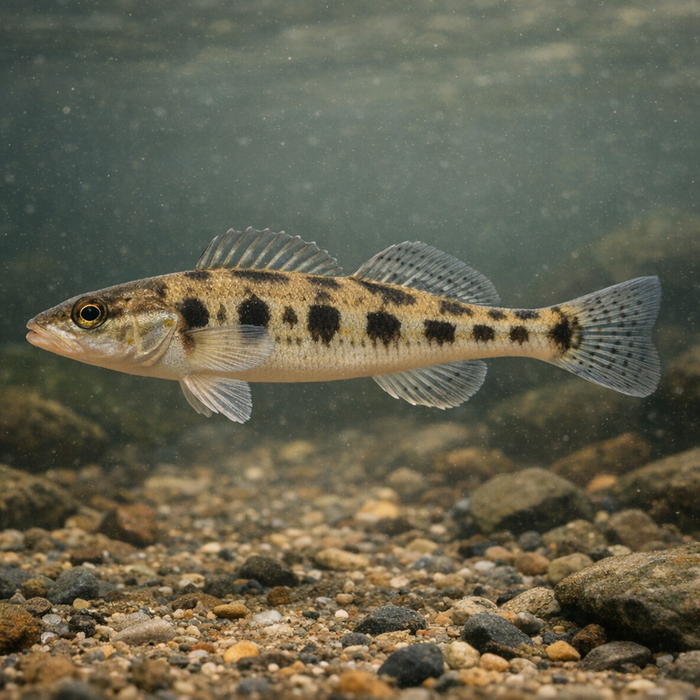
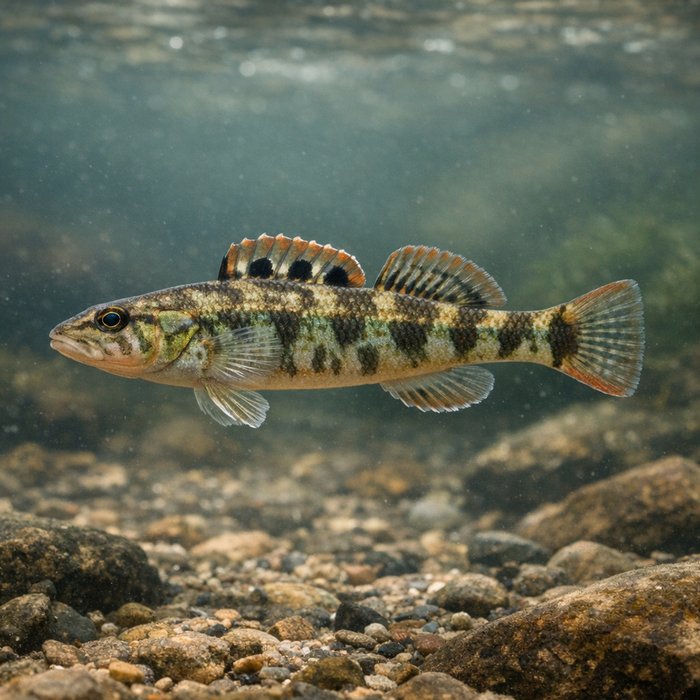
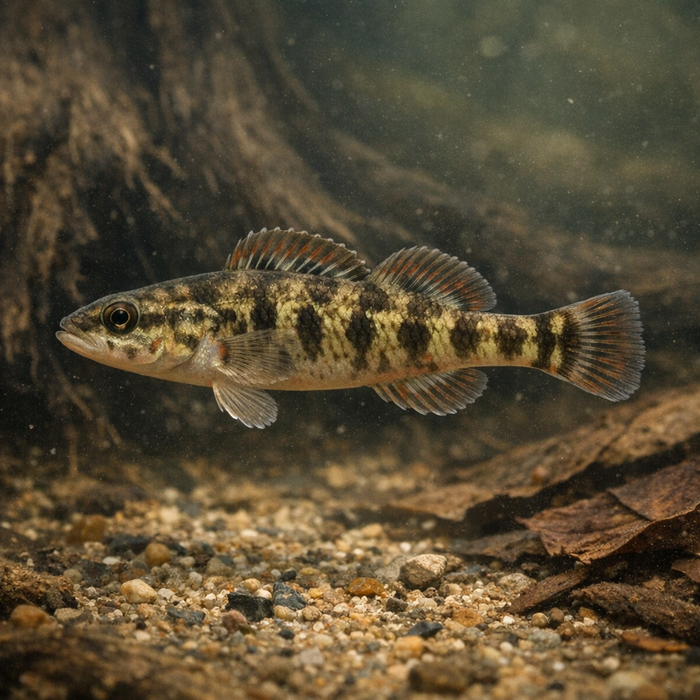
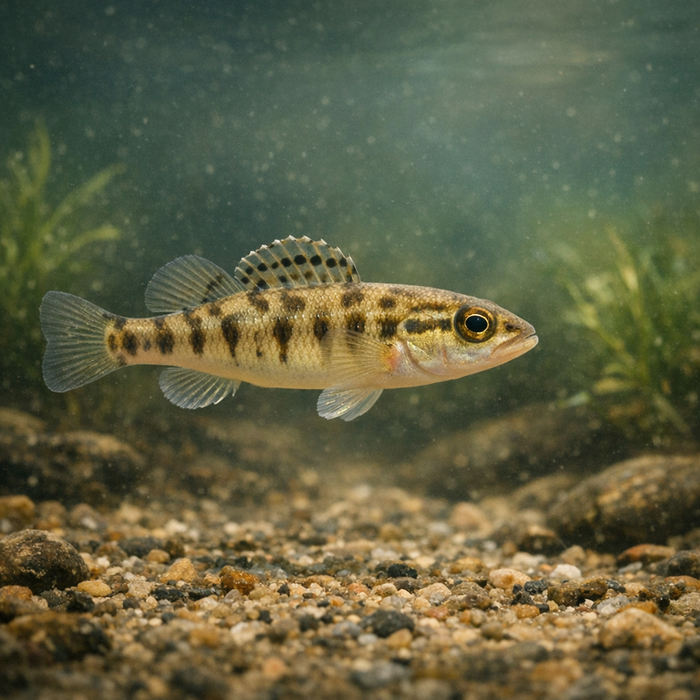
Arkansas Darter (Etheostoma cragini): A tiny prairie rocket with bright breeding colors and a bottom-hugging attitude.IntroductionThe Arkansas darter is proof that small fish can bring big personality. This sand-skirting mini predator zips through spring-fed prairies like a living exclamation point. If you've never targeted a two-inch fish on purpose, the Arkansas darter will change your mind. It's a specialty catch for patient anglers who like stealth, precision, and bragging rights measured in fractions of inches. Here's your deep dive into real-world Arkansas darter facts without the snooze.What Makes the Arkansas darter Unique?First, the look. Breeding males flash warm orange on the belly and fins, a tiny sunrise glowing over the sand. Second, the engineering. Like other darters, it basically skips the swim bladder, hugging bottom and firing short bursts instead of hovering midwater. Third, this is a Great Plains specialist in a family more famous for forested creeks back east. The Arkansas darter lives where grasslands meet groundwater, and that mix shapes everything it does.Habitat & Global RangeThink cold, clear, spring-fed prairie streams and marshy runs tied to the Arkansas River basin. These waters are often shallow, sandy, and patched with submerged grasses. The Arkansas darter favors stable temperatures and gentle flow, slipping under vegetation and into undercut banks when spooked. Its footprint is patchy across Colorado, Kansas, Missouri, and Oklahoma, with strongholds wherever springs keep the faucet open through drought. If you're researching Arkansas darter habitat, focus on springheads, side channels, and low-velocity margins where sand and fine gravel dominate.Behavior & TemperamentThis fish is a bottom sprinter. It waits low, then darts, vanishing by tilting into the substrate's colors. It's cautious but not impossible; approach slowly and you'll spot brief, telltale flickers along vegetation edges. Spawning kicks off in early spring when temperatures stabilize, and those bright-bellied males become more visible as they posture and chase in short flurries. Average adults run 1.5 to 2.5 inches, so don't expect a tug-of-war. The game is all in the sighting, the drift, and the micro hookset.Ecological ImportanceThe Arkansas darter is a small predator with an outsized job. It converts a stream's insect energy into food for larger fish, birds, and watersnakes. Because it relies on clean, cool, spring-driven flow, it doubles as a groundwater health indicator. When the darter disappears, it's often a red flag for aquifer stress, sedimentation, or flow alteration. That makes this little fish a watchdog for prairie hydrology, not just another micro curiosity.Conservation & Environmental PressuresThis species rides the knife edge of water management. Groundwater pumping, drought, and stream channelization can pinch off spring runs or heat them up, squeezing Arkansas darter populations into shrinking refuges. Trampling at stock crossings beats up banks and uproots vegetation they use for cover and spawning. Invasive vegetation and altered flow paths change sand dynamics, eroding their preferred microhabitat. Some states flag the fish as a species of concern, and catch-and-release is the smart move everywhere. If you want this fish around for future micro-missions, keep your boots light and your handling lighter.The FishyAF TakeThe Arkansas darter is a connoisseur's target: tiny, picky, and honest. It rewards stealth and punishes heavy hands. Anglers chasing trophies by pound won't get it, but if you appreciate making the perfect inch-long drift into a palm-sized window, this fish is your jam. Bring micro hooks, soft presentations, and the patience of a heron. Snap a quick, wet-handed photo and let it go. For those collecting weird, wonderful species on purpose, the Arkansas darter belongs near the top of your list-and not just because saying "I landed one" makes other anglers Google it immediately. That's peak microfish energy, and we back it.