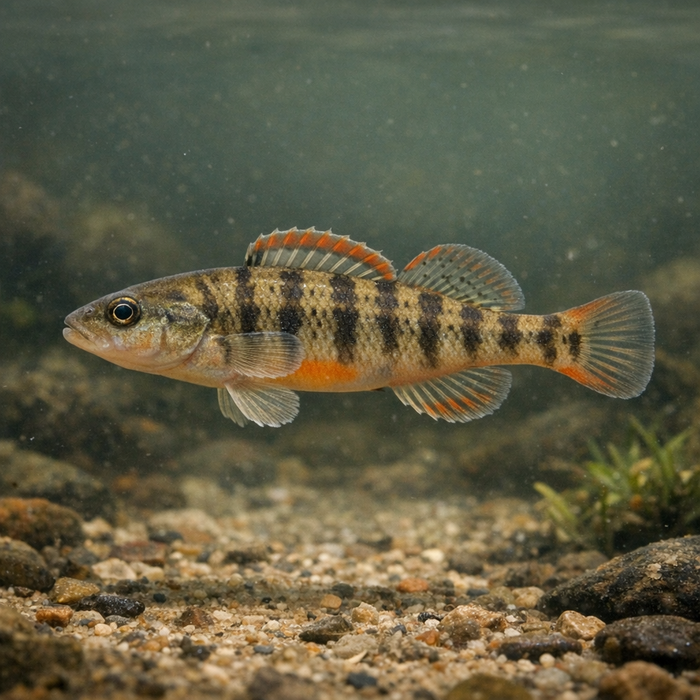
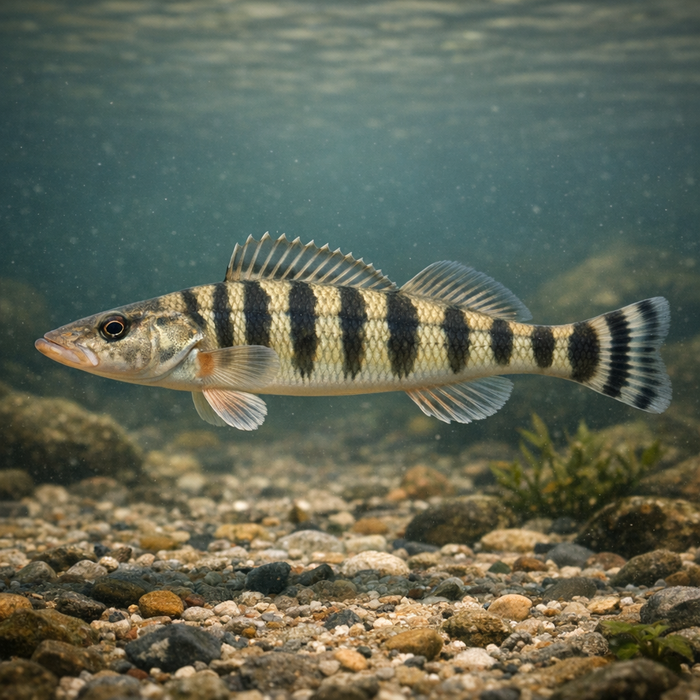
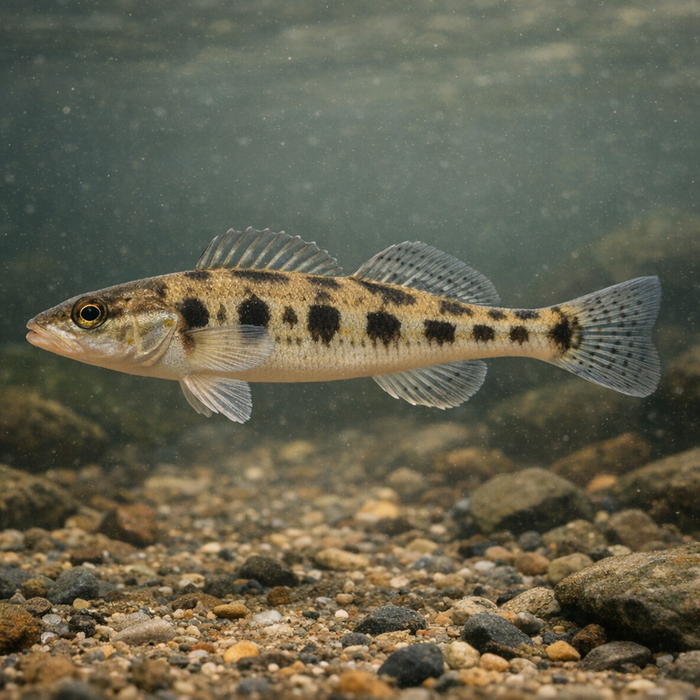
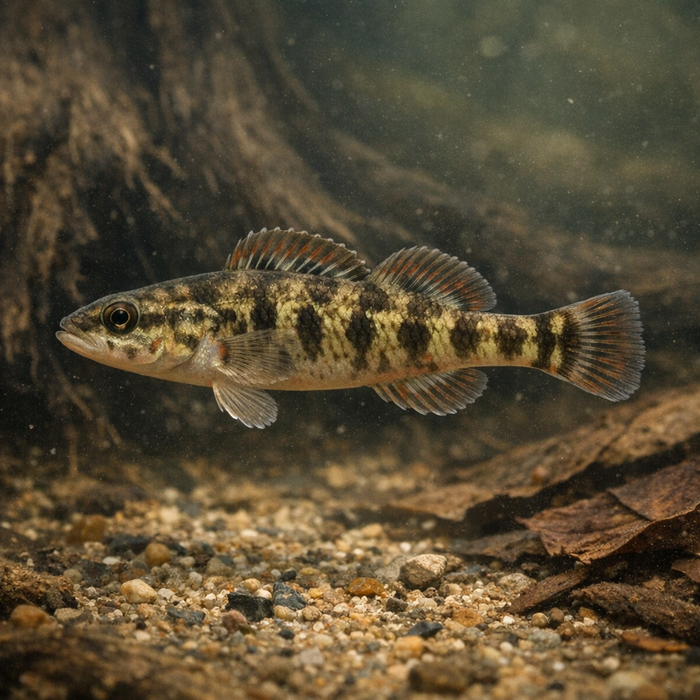
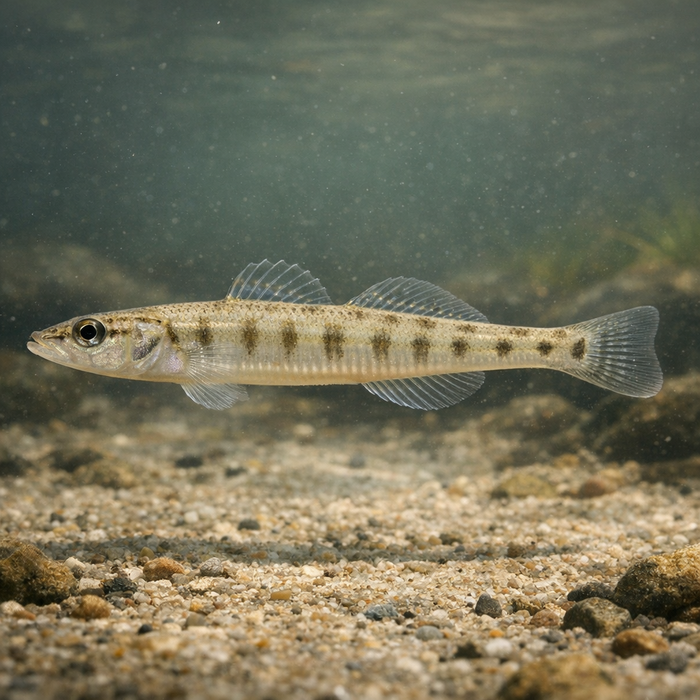
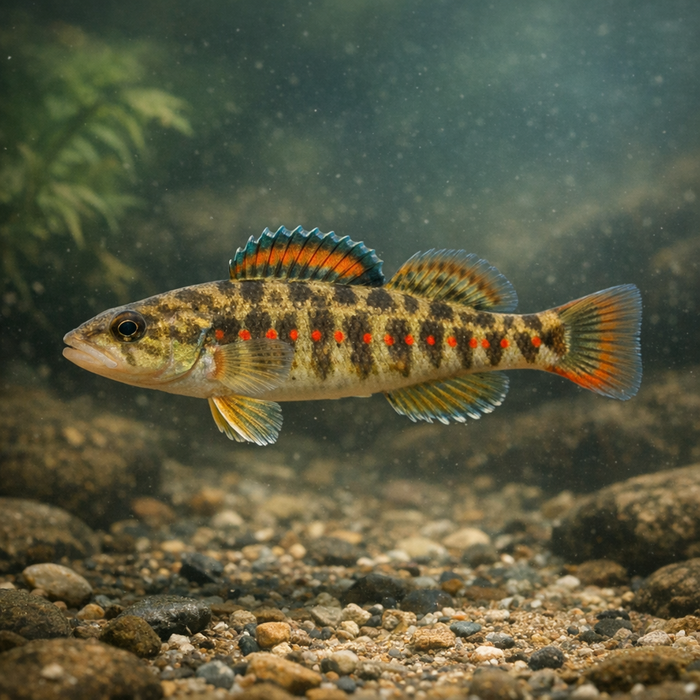
Least Darter (Etheostoma microperca): A pint-sized ambush artist with bright breeding bling.IntroductionMost fish get attention by being huge. The Least darter flips that script. It's tiny, twitchy, and ridiculously dialed into clear, weedy water. For anglers who love technical, up-close hunting, this inch-long predator delivers outsized satisfaction. Micro doesn't mean boring; it means stealth, precision, and the thrill of seeing a fish inhale a bait the size of a breadcrumb.What Makes the Least darter Unique?Two traits stand out immediately. First, size. Adult Least darter typically measures around an inch to an inch and a half. That micro scale demands hyper-accurate presentations, threadlike line, and a surgeon's touch with the hookset. Second, breeding colors. Males pop electric greens and warm orange tones along the dorsal fin and flanks during spring, turning the weeds into a flashy runway. Add the reduced swim bladder that keeps them glued to bottom, and you've got a fish built for creeping, not cruising. Those are the Least darter facts that hook curious anglers.Habitat & Global RangeLeast darter habitat is all about clarity and cover. Think spring-fed creeks, slow headwaters, and weedy margins of ponds or small lakes. They tuck into dense plant beds, using stems and leaves as a maze of ambush points. The species is rooted in the upper Midwest and Great Lakes drainages, with a patchy distribution that can be excellent locally and nonexistent a few miles away. They're the poster fish for micro-range realities: zoom in to the right weed line and you'll see them; miss it and the creek feels empty.Behavior & TemperamentThis fish is a bottom-hopping sniper. Instead of hovering midwater, Least darter brace on their fins, make short darts, then disappear into greenery. They feed on tiny invertebrates and strike with quick, subtle pops more than violent takes. During spring, males carve out dinner-plate territories and posture hard, using color and attitude more than body mass. They spook fast to vibration and shadow, so clean wading and low, slow approaches matter. In current, they favor quiet pockets where a one-inch hunter can pounce without getting tossed around.Ecological ImportanceSmall doesn't mean minor. Least darter helps transfer energy from the invertebrate world to larger fish and wading birds. Their presence signals clean, stable spring habitats and intact aquatic vegetation. Lose the plants, silt the substrate, or muddy the water, and Least darter numbers tumble. They're sentinels for creek health and great indicators of whether we still have honest-to-goodness clear-water systems.Conservation & Environmental PressuresRegionally the status is often stable, but it's never guaranteed. Channelization, shoreline trampling, invasive plant shifts, and chronic turbidity are big problems. Even light nutrient loads can cloud these systems enough to sideline a plant-dependent specialist. Some states flag the species as a conservation concern in certain watersheds, not because they're vanishing everywhere, but because they're picky and easy to displace. Protect springs, protect weed beds, and you protect the fish. It's that simple.The FishyAF TakeThe Least darter is proof that "trophy" is a mindset. You don't horse these fish in; you outsmart them within arm's reach. When you finally watch a male tip forward and sip a midge thread off a leaf, it's pure finesse glory. If you crave bulldog runs, look elsewhere. If you crave precision, clarity, and sneaky stalks in ankle-deep water, the Least darter owns you already. Bring the right gear, respect the weeds, and keep your steps quiet. Micro fish, maximum satisfaction.