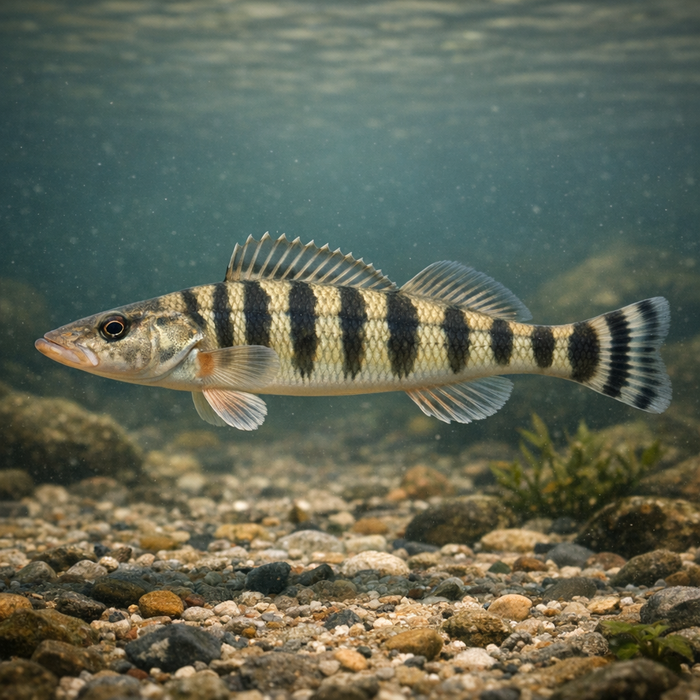
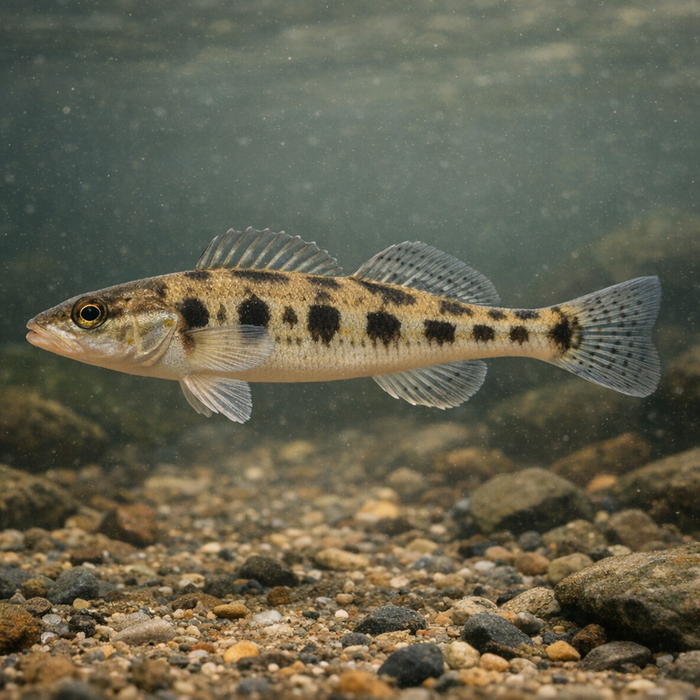
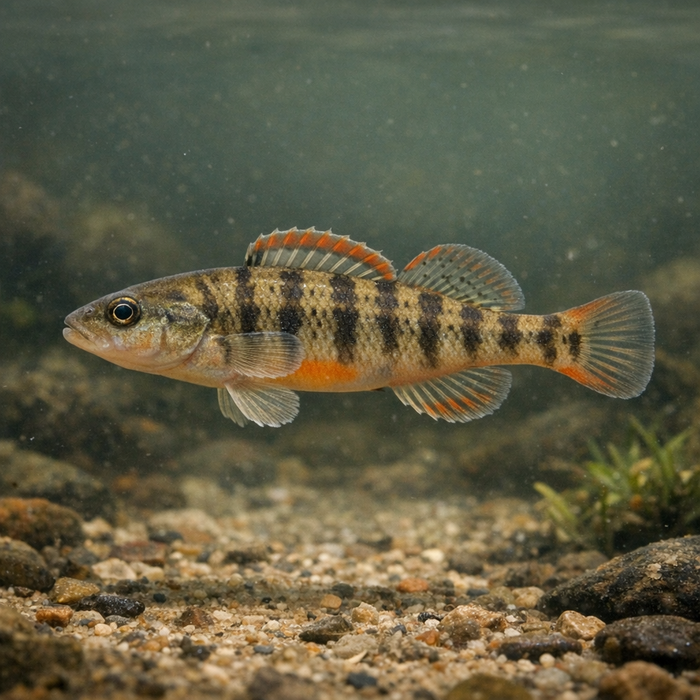
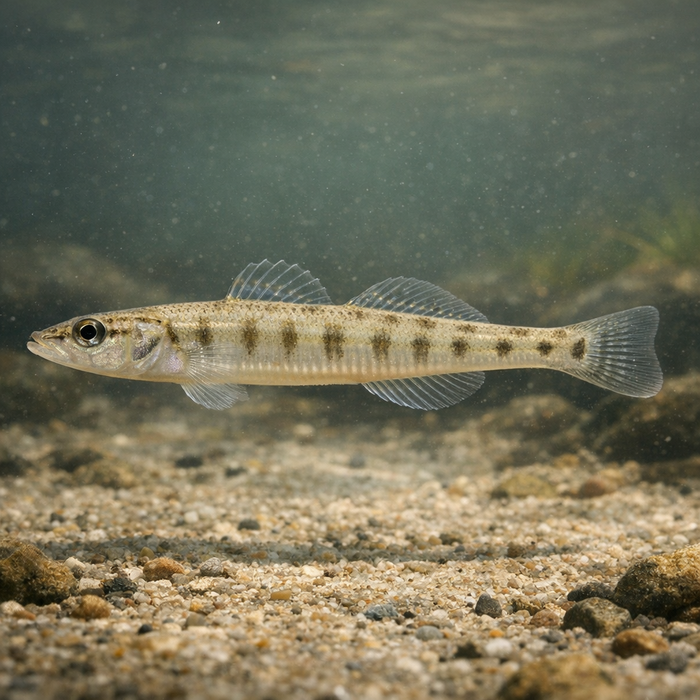
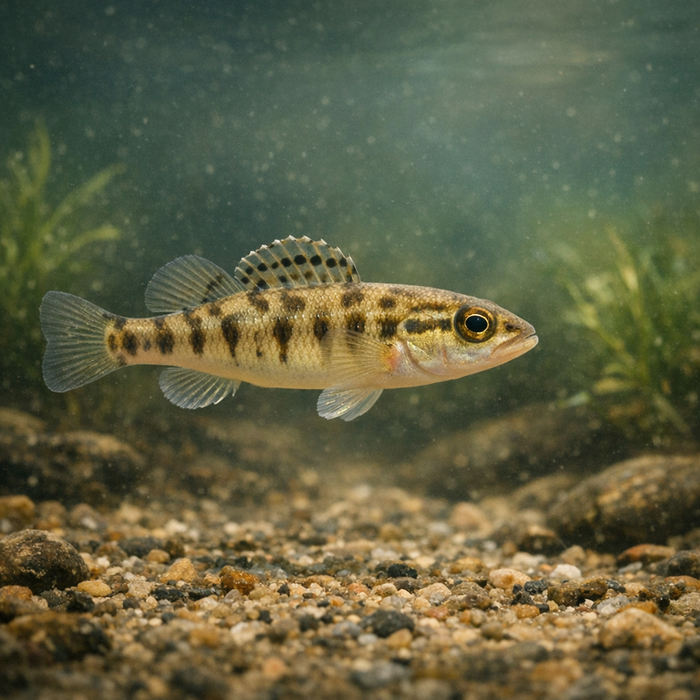
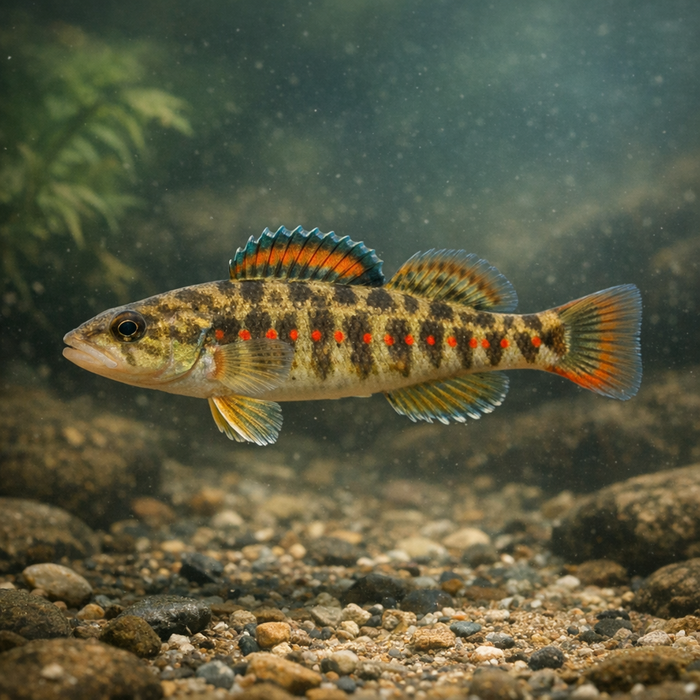
Cypress Darter (Etheostoma proeliare): A Bold, Memorable Hook LineIntroductionSmall fish, big attitude. The cypress darter is a leaf-litter assassin built for murky swamps and slow, tea-stained creeks. While everyone else is busy slinging spinnerbaits for bass, this little Percidae ninja is running ambush operations inches off the bottom. If you're into microfishing or just love dialing in swampy details, the cypress darter rewards patience, precision, and a willingness to get your boots muddy.What Makes the Cypress darter Unique?First, stealth engineering. The cypress darter wears mottled saddles and a dark eye bar that break its outline perfectly against cypress knees and waterlogged leaves. Second, habitat loyalty. This fish doesn't chase current; it thrives in near-standstill water that would choke a lot of species. Third, timing. Spawning starts while the swamp is still cool, well before the summer chorus of bugs and boat wakes. When you stack those traits together, you get a specialist with a serious low-speed edge. These are the kinds of Cypress darter facts that turn casual curiosity into obsession.Habitat & Global RangeIf you're hunting Cypress darter habitat, think low-gradient. The species occupies the Gulf and lower Mississippi basins, coastal plain creeks, backwaters, oxbows, and cypress-tupelo sloughs. Picture tea-colored water, leaf mats, woody debris, and tannins so heavy you could brew coffee in them. Depth isn't the flex here; a lot of life happens from ankle to knee deep, especially near rooted vegetation or drowned wood. They also persist in ditches and seasonal pools that hold through winter, sliding into cover when flow or clarity shift. This isn't a world traveler; it's a swamp local that picks specific addresses and sticks around.Behavior & TemperamentThe cypress darter's game plan is short bursts and long freezes. It perches on broad pectorals like kickstands, then shoots six inches to pin a midge larva, then freezes again. Dusk and cloudy windows often spark more foraging, though daytime ambush is common under good cover. They're not schoolers in the crappie sense, but you'll often encounter a loose handful working the same leaf-choked seam. Hooking one is a finesse act, not a fight highlight. On ultralight, the thrill is the stalk, the tiny tap, and the clean release.Ecological ImportanceThe cypress darter is a reliable insect-controller in waters that need it. It feeds up the benthic buffet: midge and mayfly larvae, tiny crustaceans, micro invertebrates hiding in muck and leaves. In turn, it's prey for larger sunfish, bass, and wading birds. That predator-prey handoff helps move energy from swamp-bottom detritus into sportfish you already care about. It's a micro cog with macro impact, exactly what you want in a healthy, detritus-fueled system.Conservation & Environmental PressuresDespite a "Least Concern" tag in many assessments, the cypress darter's world shrinks fast with drainage, channelization, and loss of connected backwaters. Siltation that buries leaf packs, herbicide pulses, and bank hardening all bulldoze the tiny, quiet places this fish needs. Tannin-fed creeks can be surprisingly resilient, but they're not bulletproof. Keep those headwater swamps intact, and the cypress darter hangs tough. Fragment them, and your microfishing map gets blank spots.The FishyAF TakeThe cypress darter is a test of humility. It won't peel drag, but it will school you on presentation. If you can place a speck of bait into a shadowed pocket without stirring silt and then detect a nibble lighter than a raindrop, you're in. That's the real charm: precision over power. Learn from this fish and you'll fish everything better. And if you're just here for tight-line heroics, fine-leave the swamps to us. We'll be in the leaf litter, grinning, adding another tiny victory to the logbook and quietly appreciating the underdog that keeps those backwaters alive. That's Cypress darter habitat, and it's worth the mud.