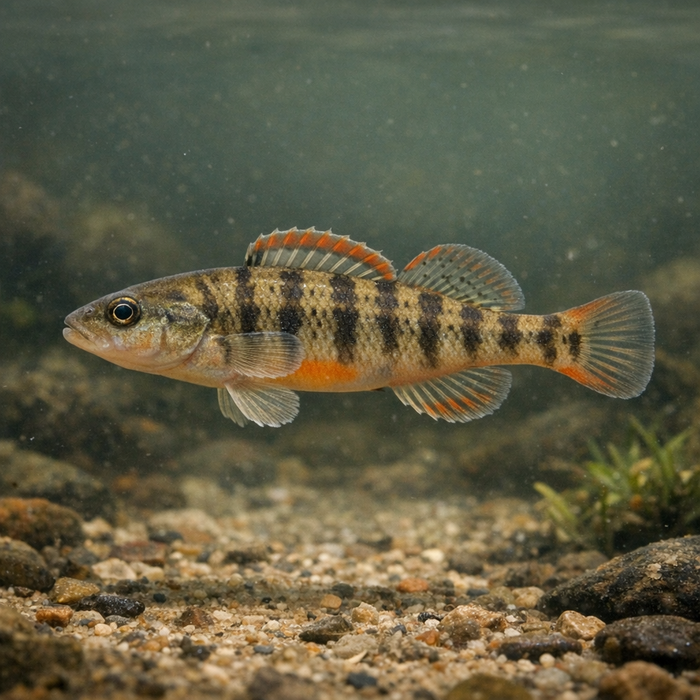
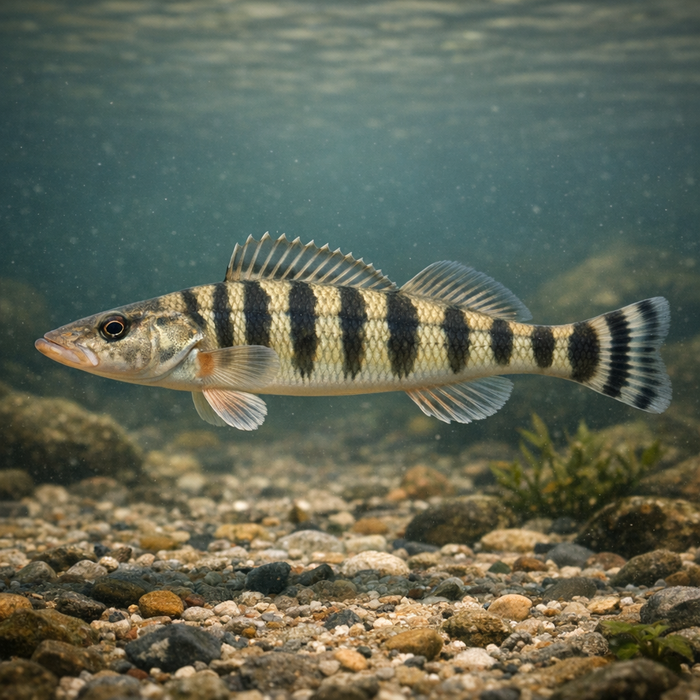
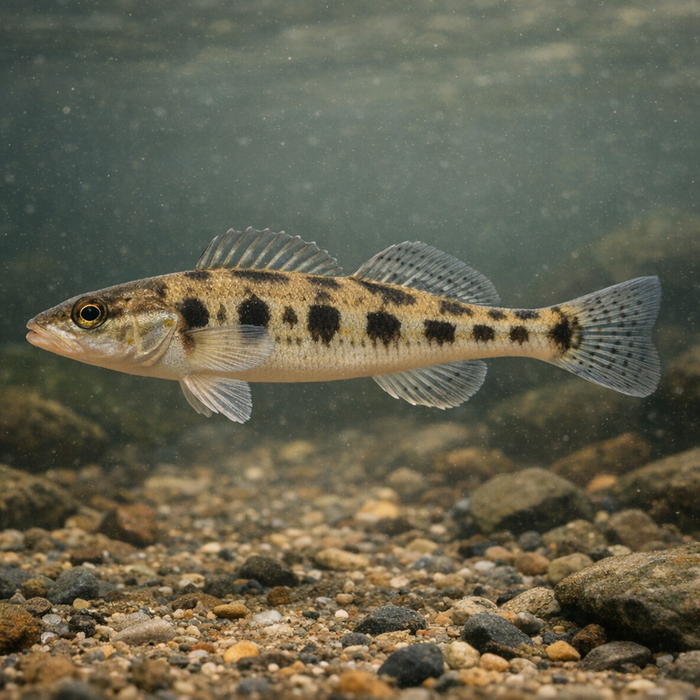
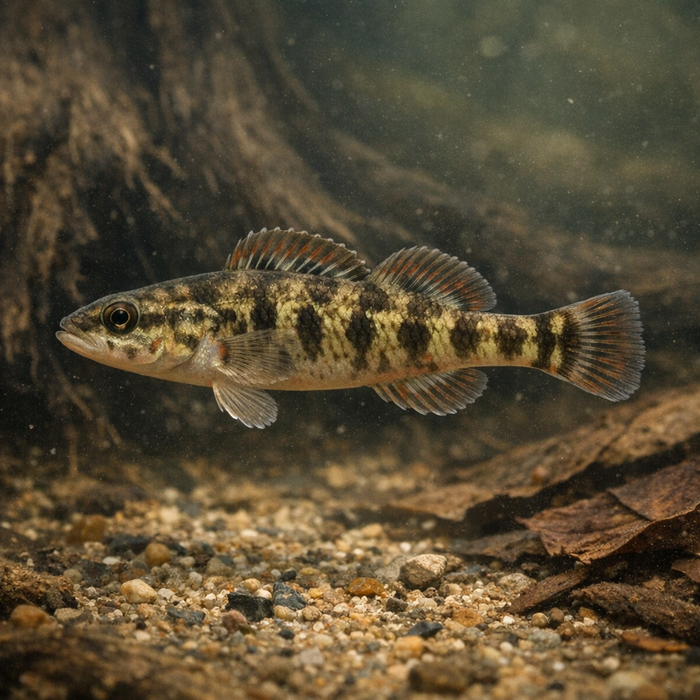
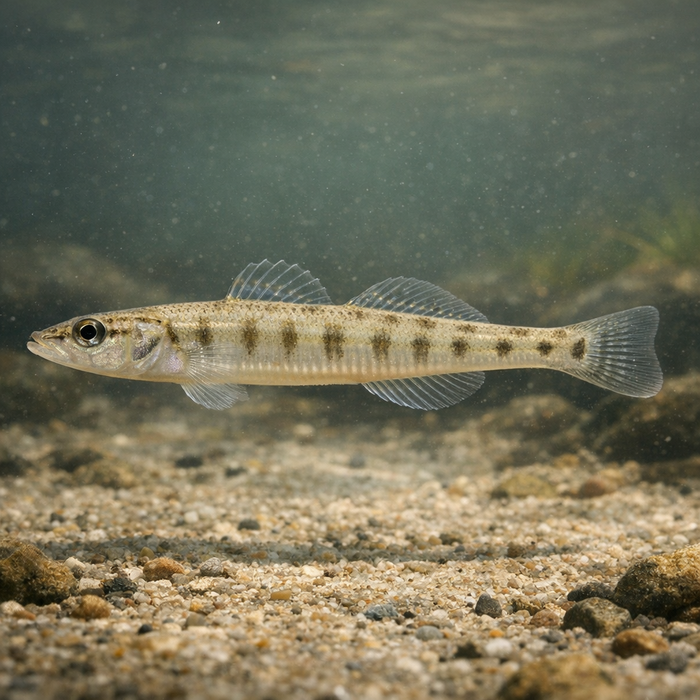
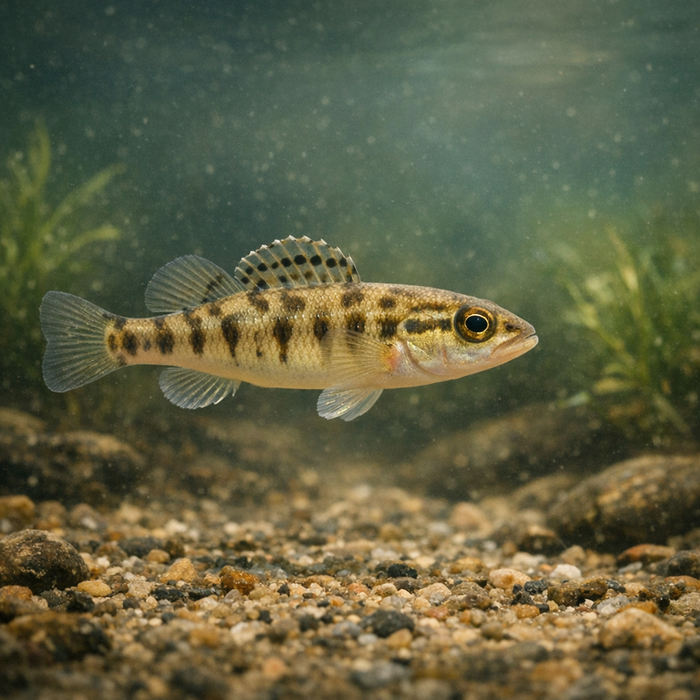
Redspot Darter (Etheostoma artesiae): A tiny riffle sprinter with paint-splatter swagger.IntroductionThe redspot darter is the fish version of a hot hatchback: compact, flashy, and ridiculously fun on the right road. Anglers who chase micros already know the drill. Slide into a clear riffle, crouch low, and watch these bottom-hugging bruisers rocket between stones. If you've been hunting for real Redspot darter facts without the textbook yawn, you're home.What Makes the Redspot darter Unique?Start with the name. Breeding males light up with bold red polka dots along their sides, set against earthy olives and subtle bars. It's not just pretty; it's battlefield paint. Males square off over fist-sized territories, sporting roughened head tubercles to nudge rivals off prime gravel. And unlike your average panfish, a redspot darter doesn't float. With a reduced swim bladder, it anchors to the bottom and darts-hence the whole darter thing-using oversized pectoral fins like kickstands.Habitat & Global RangeIf you're searching "Redspot darter habitat," think shallow, clean-flowing creeks and small rivers across parts of the Gulf-slope Southeast. We're talking knee-deep or less, with cobble, pea gravel, and swift current. They prize oxygenated riffles and gentle runs where insects tumble through the conveyor belt. Backwaters and mucky pools are not their scene. Because they're tied tightly to clear substrate and current, minor habitat shifts-siltation from a storm, a new culvert-can shuffle where you'll actually find them from season to season.Behavior & TemperamentDespite the pocket size, the redspot darter is all attitude. They hold tight to bottom lanes, making sudden, surgical dashes to intercept drifting nymphs or scuds. During spring, males turn the aggression dial up, guarding micro-territories and shivering into the gravel with females to bury adhesive eggs. Feeding is mostly low in the water column, often daylight-visible when the sun angle doesn't spook them. They're quick to spook in ultra-clear water, but equally quick to forget if you freeze. Expect short feeding bursts, especially at first and last light or when cloud cover softens the glare.Ecological ImportanceRedspot darters are riffle accountants. Their presence says the ledger of oxygen, current, and clean rock still balances. They shovel energy from drifting invertebrates into the food web, feeding larger fish, herps, and birds. Because they mature fast and live short, their populations can swing with water quality. That makes them excellent bioindicators for watershed health. When they blink out of a reach, upstream land use often wrote the story.Conservation & Environmental PressuresTheir kryptonite is sediment and slack water. Runoff, channelization, and clogged culverts smother gravel and erase current seams. Low, hot flows in droughty summers pinch oxygen and shrink habitat to puddles. While many redspot darter populations appear stable, local declines can happen quickly where development outpaces stream protection. Practical angling pressure is minimal; the bigger threats are watershed-scale. Respect seining rules, avoid trampling redds during spring, and keep your wading deliberate. Handle fish in-water; they're tough little bruisers but not indestructible.The FishyAF TakeThe redspot darter proves that size is just a number and small-water fishing can be precision art. If you crave a challenge that sharpens stalking, presentation, and humility, this fish is a masterclass. You're not muscling a trophy; you're solving a riffle. Crouch low, micro-hook a tiny worm or nymph, and place it like a surgeon. When that little rocket flashes red in the stones, you'll get it. Sometimes the loudest flex in fishing is two inches of pure attitude. That's the redspot darter, and that's why we keep coming back.