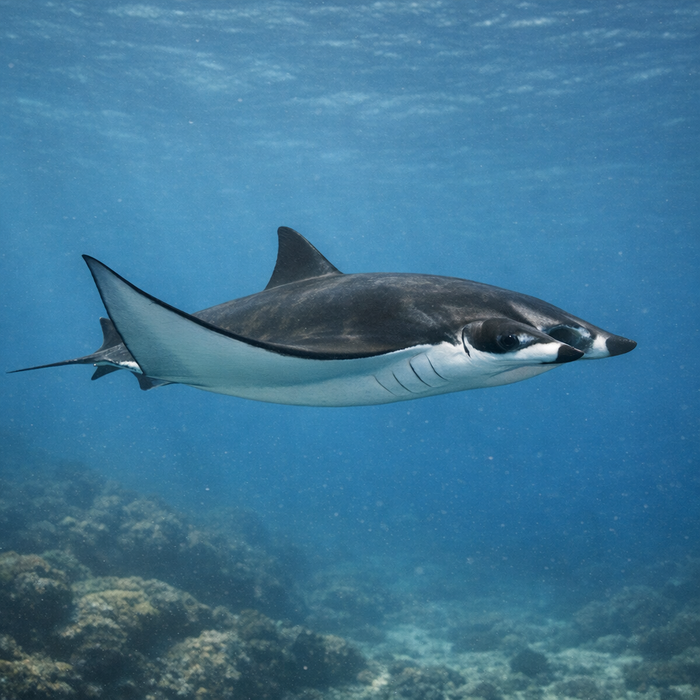
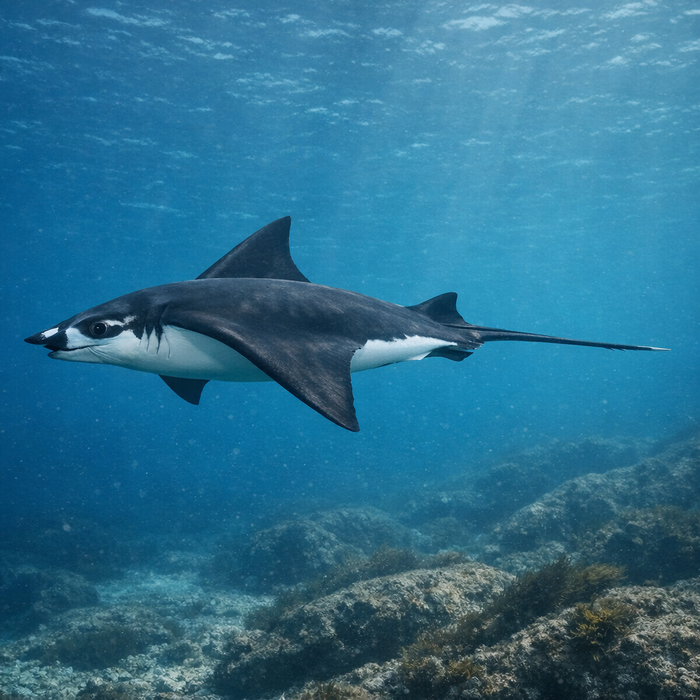
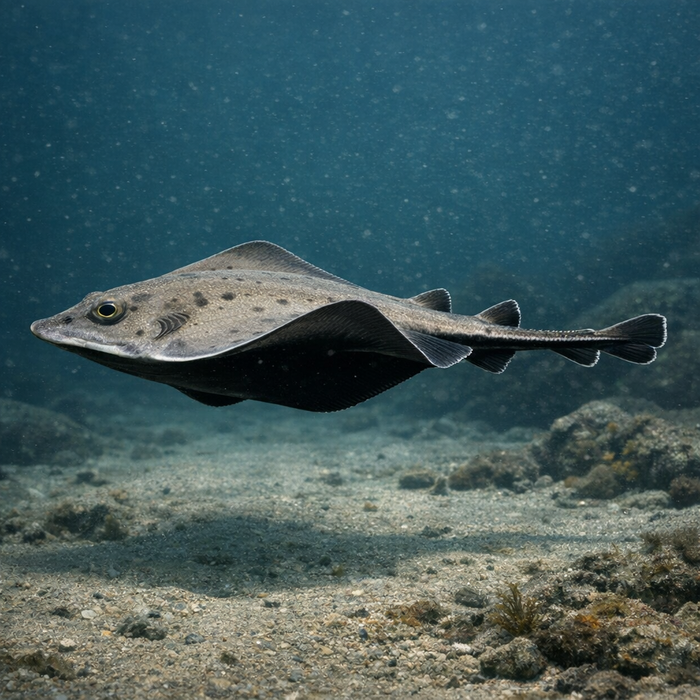
Atlantic Pygmy Devil Ray (Mobula hypostoma): The pint-sized acrobat that belly-flops like it owns the oceanIntroductionSmall, sleek, and ridiculously athletic, the Atlantic pygmy devil ray is the pelagic drive-by that turns calm seas into a highlight reel. You're not here to stick a hook in one. You're here because when an Atlantic pygmy devil ray explodes out of the water, every angler on deck forgets their lure and just stares. This is the fish that makes calm days interesting and choppy days chaotic.What Makes the Atlantic pygmy devil ray Unique?Start with the size. Among the devil rays, the Atlantic pygmy devil ray lives up to its name, topping out at a few feet across where its giant manta cousins dwarf boats. It's a compact torpedo with wings, built to cruise warm currents while vacuuming zooplankton with those trademark "horns" that roll into a feeding funnel. Then there's the showmanship. Breaching isn't rare; it's part of the script. You might see singles, pairs, or small squads launch clear of the surface, slap down hard, and do it again like they're proving a point. Add in a one-pup-at-a-time reproductive strategy and you've got a slow-growing, low-fecundity ray that commands respect.Habitat & Global RangeIf you're hunting Atlantic pygmy devil ray habitat for a look, think warm western Atlantic edges: Gulf of Mexico, Caribbean basins, and tropical to subtropical Atlantic coasts. The Atlantic pygmy devil ray runs the coastal shelf, drift-lines, weed edges, and upwelling seams where plankton stacks like a buffet. They're equally at home shadowing color changes offshore or ghosting inshore passes when the water's clean and the groceries are moving. Currents drive their roadmap. Follow the food and the temperature bands and you're in the right zip code for sightings. That's the short version of Atlantic pygmy devil ray habitat without the PowerPoint.Behavior & TemperamentThe Atlantic pygmy devil ray is a filter-feeder with a need for speed. Those wingbeats are efficient, letting them cover miles and materialize where conditions click. They're not aggressive; they're curious commuters. You'll often see small groups feeding in loose formations, rolling and banking in synchronized passes when plankton thickens. Breaches might be parasite defense or social signaling. Either way, it's theater. They're also notorious for spooking on sloppy boat approaches, so quiet hulls and steady angles earn you better looks. Hooking one intentionally? Don't. They're not bait biters, and regulations usually say release-only or hands-off.Ecological ImportanceThe Atlantic pygmy devil ray is a plankton-to-predator translator. By grazing dense zooplankton layers, they help move energy up the food web without shredding bait schools the way mackerel or tunas do. Their low reproductive output means they're classic K-selected wildlife: long-lived, few offspring, slow to rebound. That makes every adult valuable to the system. When you see them cruising current lines, you're looking at an ocean health indicator with wings.Conservation & Environmental PressuresHere's the un-fun part. Mobulids, including the Atlantic pygmy devil ray, face collateral damage from gillnets, purse seines, and trawls aimed at something else. Illegal trade in gill rakers piled extra pressure on a group already built for slow replacement. Add plastic, warming seas shuffling plankton patterns, and increasing boat traffic, and it's not hard to understand why protections tightened across much of their range. Many areas require immediate release, ban sale, or flat-out prohibit harvest. If regulations feel strict, it's because the math on their life cycle demands it.The FishyAF TakeThe Atlantic pygmy devil ray is the ocean's surprise cameo. You didn't rig for it, but when it shows, your day upgrades. The smartest play for anglers is simple: admire, document, and stay out of their way. If one tangles in your line, keep it in the water and cut close. Save your tackle experiments for fish that actually eat hooks. If you want Atlantic pygmy devil ray facts, here's our favorite: this little devil turns a glassy afternoon into a stadium moment with one airborne clap. Respect the athlete, respect the law, and enjoy the free show.