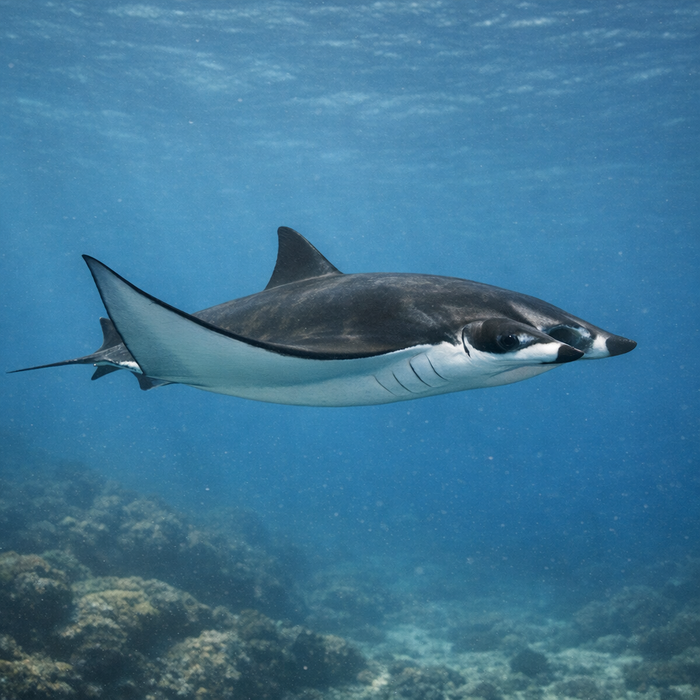
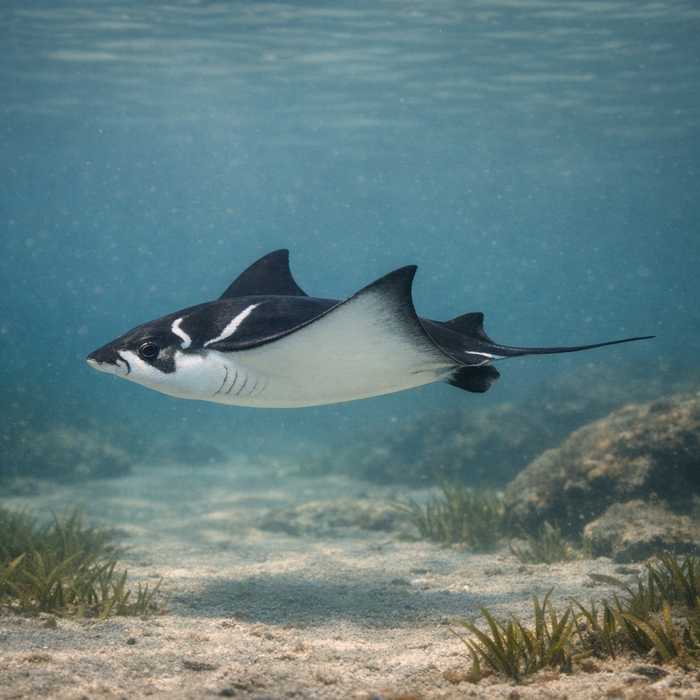
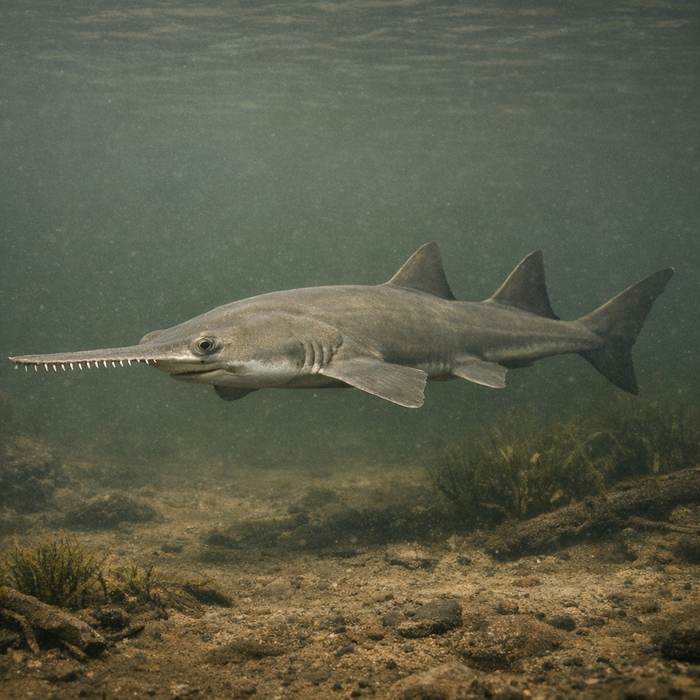
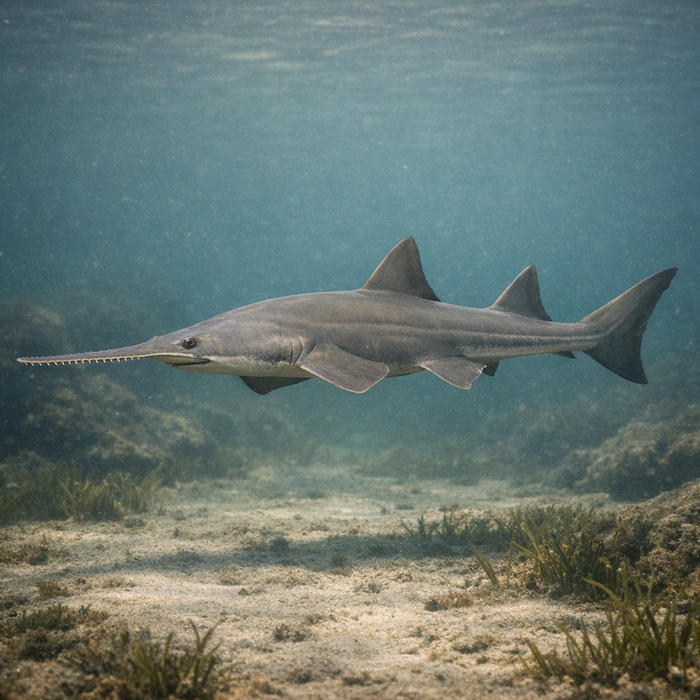
Spinetail Devil Ray (Mobula mobular): A Bold, Memorable Hook LineIntroductionThe spinetail devil ray is the ocean's stealth bomber: massive wings, smooth moves, and zero interest in your trophy photos. You don't so much catch this fish as cross paths with it, and when you do, the encounter rewires your sense of scale and grace. For anglers obsessed with blue water, learning a few spinetail devil ray facts pays off, even if all you'll ever do is ease back the throttle, watch it cartwheel, and whisper a quiet wow.What Makes the Spinetail devil ray Unique?Two features define the spinetail devil ray fast: those curled, horn-like cephalic fins that unfurl into perfect feeding scoops, and the namesake tail spine that most mantas lack. Add a disc that can stretch past ten feet and a tendency to breach like a torpedoed discus, and you've got a fish that steals the show without even trying. Unlike apex bruisers that smash bait, this species vacuums plankton and tiny fish with high-efficiency gill rakers, often rolling through krill clouds in elegant loops. It's a big-bodied filter-feeder tuned for speed, stamina, and showmanship.Habitat & Global RangeIf you're mapping spinetail devil ray habitat, think blue water highways and island edges. They ride currents along offshore drop-offs, frontal lines, and upwelling zones where plankton stacks up. Seasonal aggregations pop up around seamounts and volcanic archipelagos, and they'll ghost into coastal edges when the buffet moves in. Range is broadly warm-temperate to tropical, including the Mediterranean and open Atlantic and Indo-Pacific corridors. Depth-wise, they work the surface to midwater and make deeper foraging dives when the nightly plankton elevator cranks upward.Behavior & TemperamentThe spinetail devil ray travels in loose squads that turn into traffic jams when the feed is on. They're curious but not combative, more likely to bank toward your bow for a look than to charge a bait. Breaching is common and surprisingly clean, like a frisbee finding extra gears. Tag studies show crepuscular surges in activity and big vertical movements tied to zooplankton layers. Fighting one on rod and reel, where legal, is mostly an exercise in patience and heavy drag management. They run strong and steady, then pinwheel stubbornly in the water column.Ecological ImportanceThis ray is a keystone plankton processor, packaging tiny, drifting life into something the rest of the ocean can use. Its migrations link nutrient hotspots, and its predictable hangouts power entire micro-economies of seabirds, gamefish, and the anglers chasing them. The spinetail devil ray is also a poster child for bycatch, collateral damage from gillnets and longlines that don't care what the buffet lookalikes are.Conservation & Environmental PressuresThe spinetail devil ray draws trouble precisely because it aggregates and glides near the surface. Historic demand for gill plates, plus bycatch, hammered local populations. The species is now protected in many places, and international trade restrictions have cooled the market. Still, slow growth, late maturity, and single-pup litters mean recovery can't be rushed. Climate swings that shuffle plankton patterns can also move the goalposts on where and when these rays refuel.The FishyAF TakeYou don't measure a day with a spinetail devil ray by grip-and-grins. You measure it by the breath you forgot to take watching a sofa-sized shadow rise and flick into the air. If you're an angler, the smart play is respectful voyeurism: keep speed low, admire the aerobatics, and let the plankton pros be. Of all the spinetail devil ray facts that matter, this one sticks: some fish are best caught with your eyes. And this one is a straight-up bucket-list sighting.