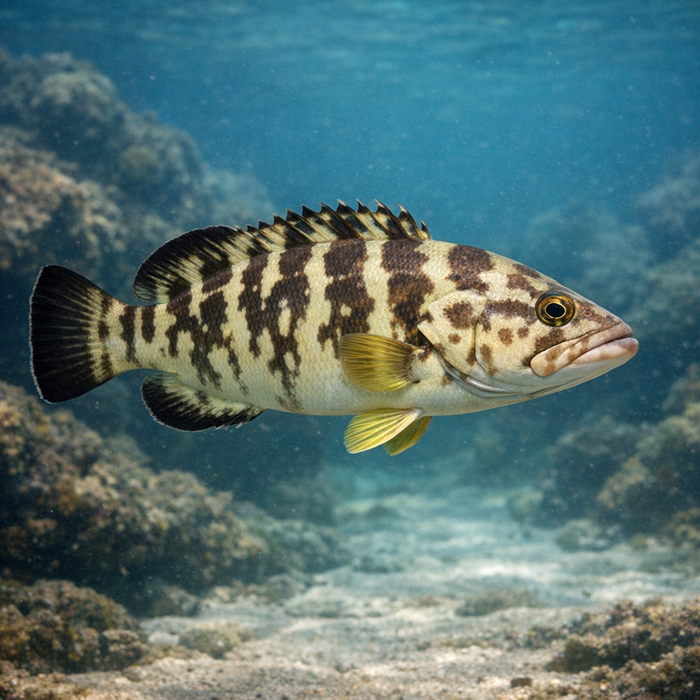
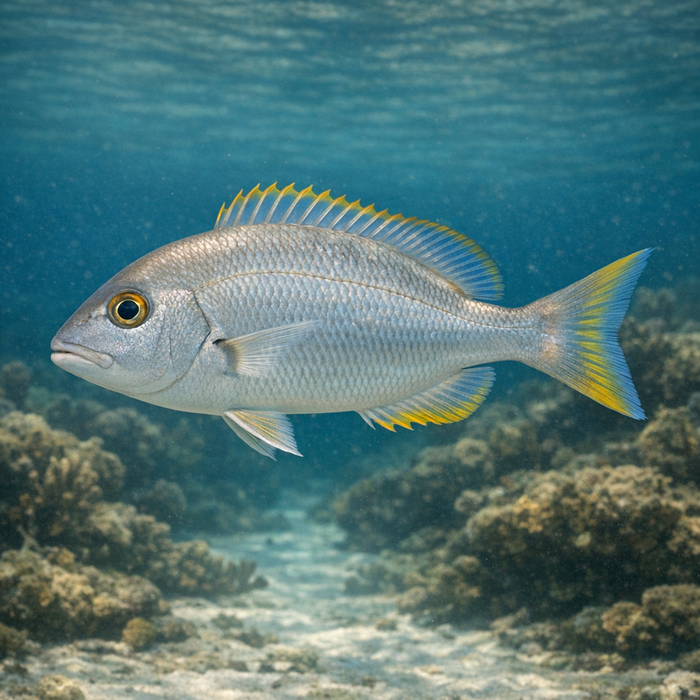
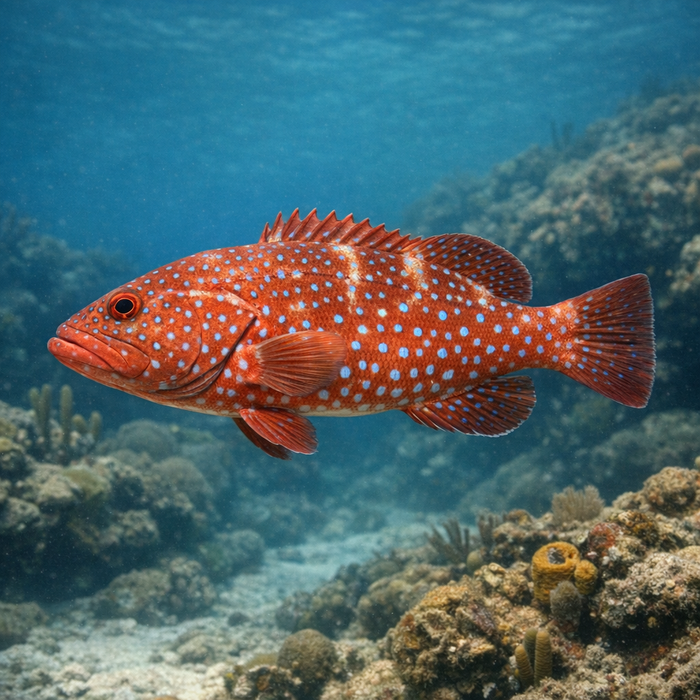
Barred Knifejaw (Oplegnathus fasciatus): A Bold, Memorable Hook LineIntroductionMeet the reef bruiser with zebra stripes and a built-in nutcracker. The barred knifejaw is a deep-bodied, nearshore specialist that looks like a tropical fashion statement and fights like it's defending a mortgage. Anglers run into them around rocky coasts and kelp, especially across East Asia, but their fame has gone global thanks to wild stories, premium table fare, and a jaw designed to crush whatever dares to sit still on the rocks. If you want real-deal barred knifejaw facts and a clean handle on barred knifejaw habitat, you're in the right place.What Makes the Barred knifejaw Unique?Two things: the grill and the paint job. As adults, barred knifejaw fuse their front teeth into parrot-like plates that pulverize barnacles, sea urchins, and mussels. You'll feel that power through the rod when they hunker down and dog you toward the reef. Then there are the stripes. Bold, vertical bars pop against a steel-gray body, especially on fish prowling bright kelp. Juveniles flip the script with a yellow-and-black palette, drifting under Sargassum mats before settling onto structure. All told, the package screams character: distinctive, tough, and built for tight, surgey neighborhoods.Habitat & Global RangeBarred knifejaw thrive along rocky shorelines, breakwalls, kelp forests, and near-coast reefs where hard-shelled prey is easy to raid. They're most common in Japan, Korea, China, and Taiwan, with occasional wayward celebrities showing up in Hawaii and even the U.S. West Coast after epic ocean rides. Depth-wise, think shallow surge channels out to moderate reef edges; they're not true offshore wanderers and rarely suspend far from structure. The environment they like is dynamic: moving water, pockets of cover, and a pantry loaded with crustaceans and urchins.Behavior & TemperamentThis species mixes patience with stubborn brawler energy. Smaller fish can school loosely, but bigger barred knifejaw often work edges solo, nosing into cracks and prying meals off rock. When hooked, they don't sprint like tunas; they torque. Expect grinding runs and short, mean lunges aimed for the nearest ledge. They aren't bubble-headed aggressive, either. Pressure teaches them caution, so the presentation has to look and smell real, and abrasion resistance is absolutely part of the program.Ecological ImportanceConsider them the reef's tough-love janitors. By cracking urchins and shellfish, barred knifejaw help keep hard-bottom communities in balance. In spots where urchins would otherwise carpet the reef and mow down kelp, a healthy population of shell-crushers can tilt the system back toward structural complexity. That's good news for everything hiding, hunting, and spawning in the kelp city. Their juvenile drift phase also ties open-ocean surface communities to inshore reef life, linking Sargassum habitats to coastal productivity.Conservation & Environmental PressuresOverall, the barred knifejaw is doing fine across much of its core range, but nearshore fish live where people live. That means fishing pressure, habitat alteration, and water quality all factor into local outcomes. Kelp decline, pollution pulses, and over-collecting of urchins and shellfish can kneecap the barred knifejaw's buffet. On the flip side, sensible bag limits, marine protected areas, and restored kelp beds tend to produce heavier fish and better catch rates. Climate shifts can also swing distribution, nudging juveniles and vagrants into odd places when currents and debris lines line up.The FishyAF TakeIf reef fishing is a bar fight, the barred knifejaw is the quiet heavyweight holding a wrench under the table. It won't chase a flashy lure twenty yards, but it will weaponize that beak on anything crunchy within reach. Fish tight to the rock, come correct with bait that bleeds scent and crunch, and bring tackle that shrugs off concrete-grade structure. When you finally stick one, it's all leverage and bad intentions. The barred knifejaw delivers a perfect mix of stripes, muscle, and culinary payoff-no drama, just reef violence done right.