Bicuda (Boulengerella cuvieri): A River Missile With No Respect for Your Hook Set
The strike is exciting. Keeping the fish attached is where things get interesting. Bicuda combine a long, streamlined body, a toothy mouth, and a willingness to turn a hooked encounter into an airborne argument. This freshwater predator belongs to the pike-characin family, Ctenoluciidae, and brings serious sporting appeal without needing the bulk of an Amazonian giant. Fast runs and difficult hook penetration make it an advanced target rather than an easy addition to the species list.
For anglers, the attraction is wonderfully direct: moving water, baitfish imitations, and a fish that can make a good presentation look spectacular. Fly fishing, light spinning, and topwater approaches all belong in the conversation. The challenge is not simply finding a predator willing to attack. It is turning that attack into a controlled fight.
What Makes the Bicuda Unique?
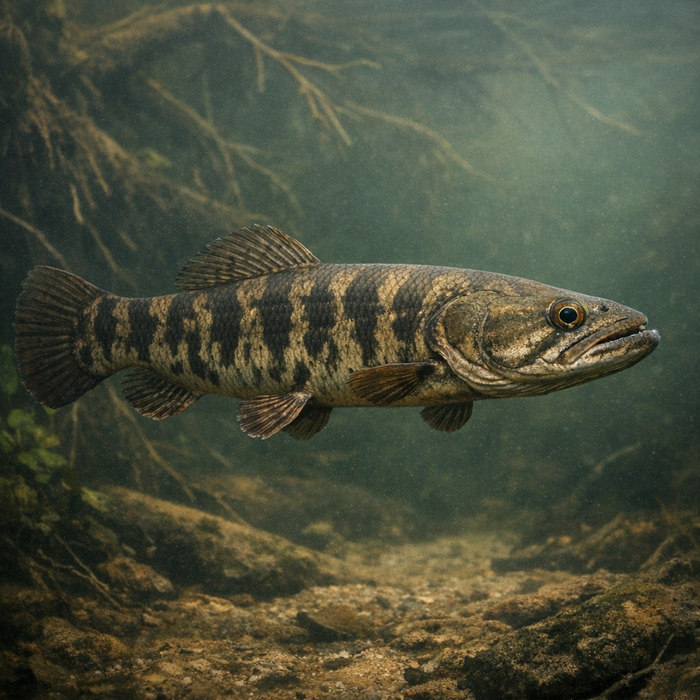
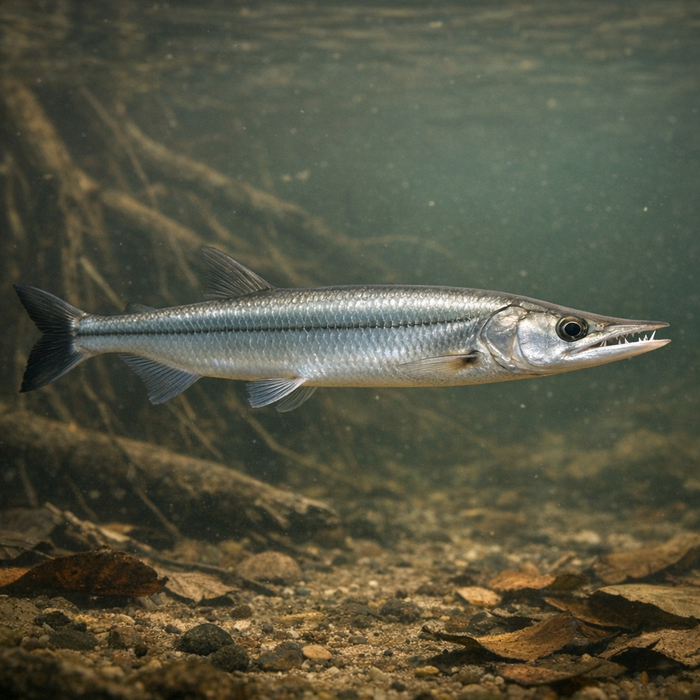
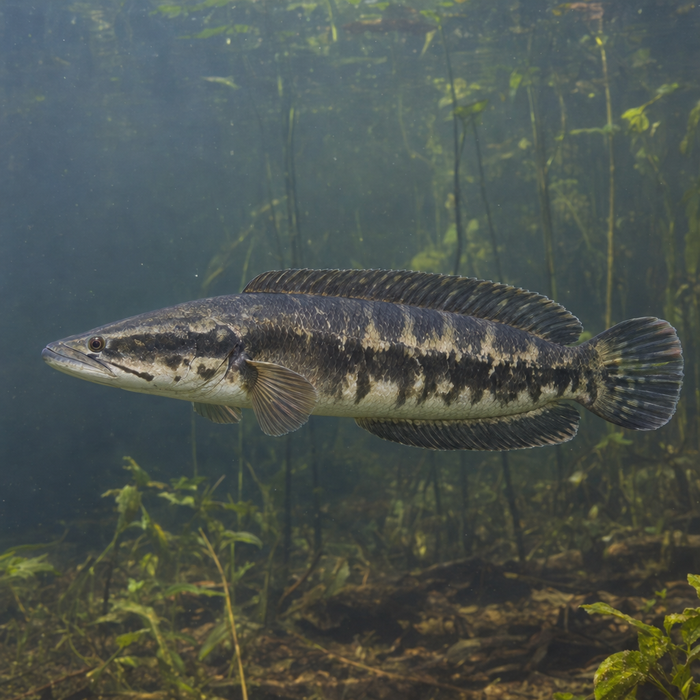
Start with the silhouette. The narrow body and elongated jaws create a striking resemblance to a miniature freshwater barracuda, but this is a characiform, not a barracuda or a true pike. A fleshy projection at the snout tip adds another distinctive detail. The species is also the largest member of its family, giving that needle-shaped profile genuine trophy potential.
Its development is equally impressive. A studied youngster only about 30 millimeters long already had sharp teeth and a pointed snout occupying roughly half its head length. The adult outline is not something this fish waits years to acquire. Even its early life stages advertise the predator it will become.
Identification deserves more attention than a quick glance at the beak. A dark spot at the base of the central tail rays helps distinguish this species from similar relatives. Among useful Bicuda facts, that marking is far more dependable than assuming every long, toothy fish in the river belongs to the same species.
Habitat & Global Range
This is a South American freshwater fish with a distribution encompassing the Amazon, Tocantins, Orinoco, Essequibo, and Oyapock systems, along with other northern Brazilian drainages. Its range is broader than any single Brazilian lodge circuit, although Brazil supplies several fisheries featured in this guide.
Fast-flowing rivers and rapids are the central angling setting, but Bicuda habitat is not restricted to whitewater. Adults also occur in larger tributaries, main channels, and floodplain lakes. Both whitewater and blackwater systems support the species. That distinction matters: water color alone does not tell you whether suitable fish are present.
For a practical starting point, examine channel junctions, rocky runs, and places where smaller channels meet stronger flow. In the Iriri system, low-water conditions can provide access by boat and on foot. Fish the useful current interfaces rather than treating every square yard of a rapid as equally promising.
Behavior & Temperament
Bicuda can pursue a fly persistently, and local fishing observations describe sudden, forceful attacks. The same observations highlight the hard mouth that makes secure hook penetration difficult. Enthusiasm at the strike does not guarantee a landed fish. This is one species where celebrating before the hook is properly seated feels especially optimistic.
Once hooked, expect speed and jumps rather than a slow, heavy tug-of-war. Keep the tackle organized before the cast, not after the first run. Sharp hooks, a firm strip-set with fly tackle, and controlled line tension are sensible priorities. The goal is clean execution, not seeing how much chaos you can survive while standing on wet rock.
Ecological Importance
Bicuda are fish-eating predators, but their long jaws do not translate into an unlimited swallowing capacity. Research in Venezuelan rivers found that mouth-opening constraints limited the size of prey taken by these pike-characins. Their prey sizes remained comparatively consistent across seasonal changes, unlike larger-gaped predators that could exploit bigger seasonal food resources.
That makes them a distinct participant in the food web, not merely another interchangeable set of teeth. Research from the middle Xingu also links reproductive activity to the river's rising-water cycle. Feeding opportunities, reproduction, and changing water levels belong to the same ecological story; the river's seasonal rhythm is part of the fish's biology.
Conservation & Environmental Pressures
The species is assessed as Least Concern. That describes its overall conservation position, not a promise that every population or fishing destination is secure. A broad distribution should never be mistaken for immunity to local damage.
Contamination is a documented concern. Studies involving this species have measured mercury in Amazonian fish, including fish from the Teles Pires. For anglers, that supports a cautious attitude toward harvest and a serious interest in watershed condition. A river can look magnificent while carrying problems that do not appear in the trip photographs.
The FishyAF Take
The appeal of Bicuda is not just its size. It is the combination of an aggressive attack and an unforgiving finish. A fish that chases your offering, hits hard, then tests the hook hold gives you plenty to remember even when the landing goes badly.
Our take: give this fish its own session, not the leftover casts between other targets. Arrive with sharp hooks, a tidy line deck, and realistic expectations. The photograph is a bonus. Getting the presentation, set, and fight right is the actual prize.