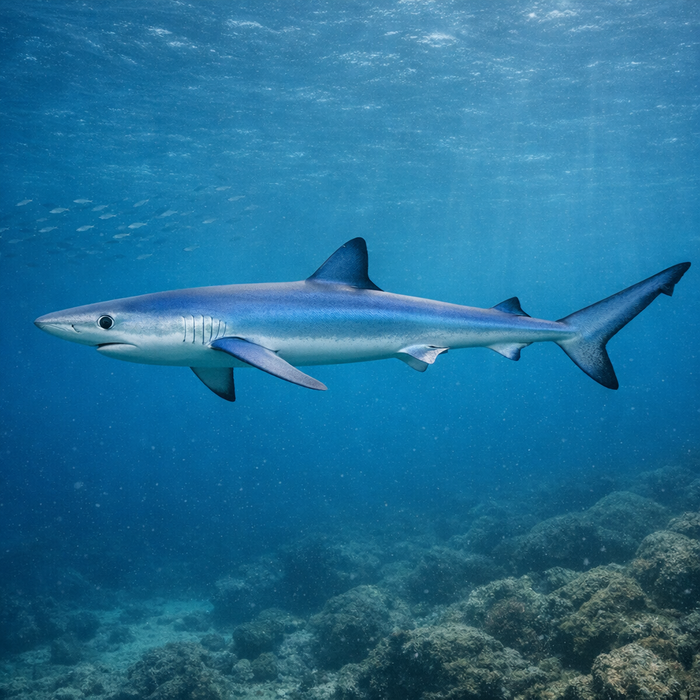
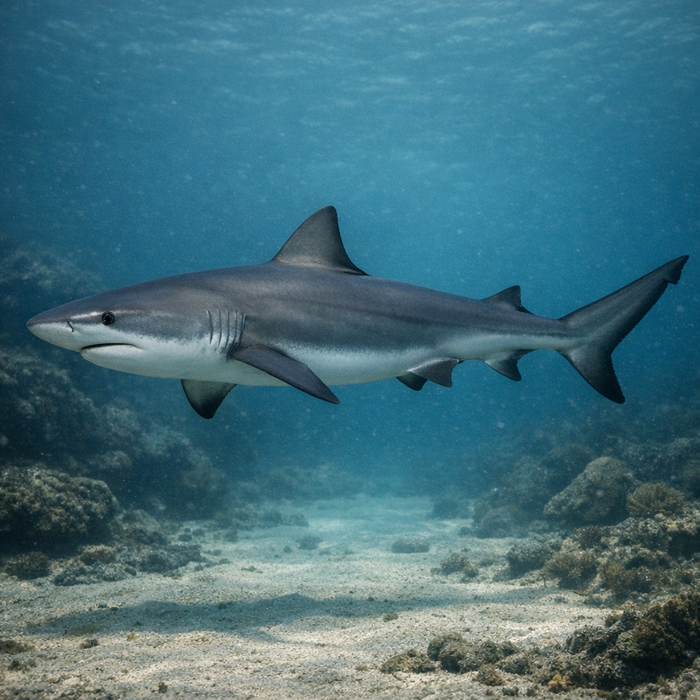
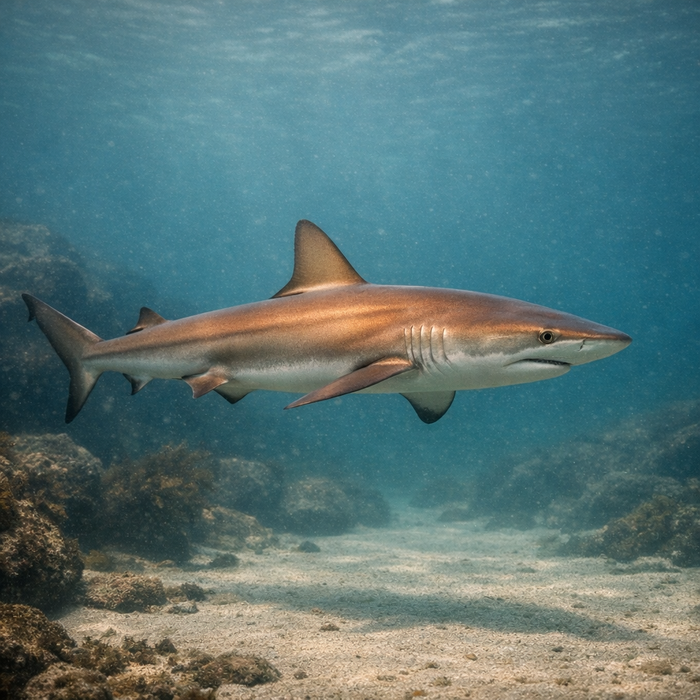
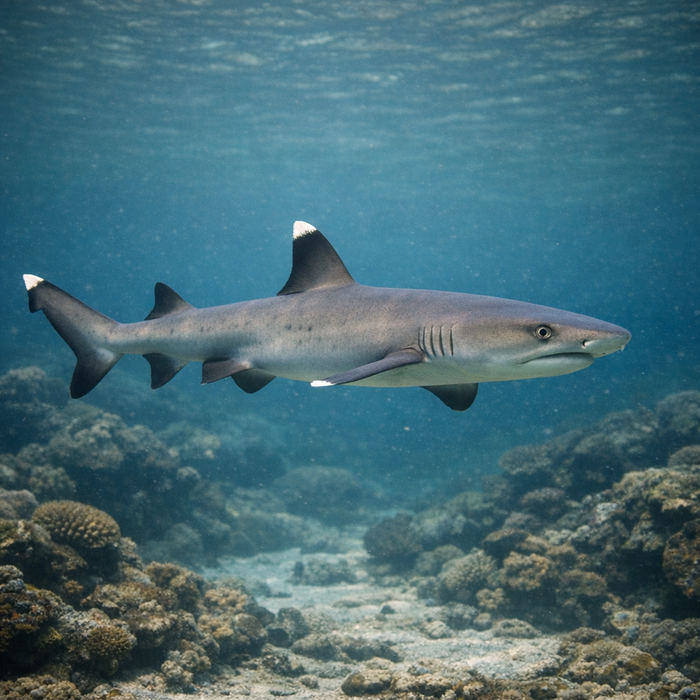
Bignose Shark (Carcharhinus altimus): Deep-Shelf Muscle With A Built-In RadarIntroductionIf you like your sharks mysterious, muscular, and way out past the casual crowd, the bignose shark delivers. This is a deep-shelf specialist that cruises the edges where light thins out and the bottom falls away. You won't bump into it surfcasting. You'll meet it where the chart turns purple and the sounder paints life just off the mud. For anglers chasing obscure species and heavy pulls, the bignose shark checks every box.What Makes the Bignose shark Unique?Start with the name. That long, pronounced snout isn't just a look; it's a sensor suite loaded with electroreceptors to sniff out bottom prey in dim water. Add a distinct interdorsal ridge and a blocky, workmanlike build and you've got a shark that looks purpose-built for the continental shelf edge. It's also a slow-burn species: late to mature, long gestation, and built for endurance. When you finally connect, expect a stubborn, straight-down bulldog instead of flashy aerials.Habitat & Global RangeThe bignose shark habitat is the outer continental shelf and upper slope throughout tropical and subtropical oceans worldwide. Think 300 to 1,000 feet much of the time, sometimes shallower over sand, shell, or low-relief hard bottom. It drifts along current seams where scent funnels uphill, occasionally pushing higher on the shelf when conditions cooperate. Distribution is broad across the Atlantic, Indian, and Pacific, but encounters feel rare because the fish lives deep and spreads out along long edges rather than stacking tight inshore.Behavior & TemperamentThis is a methodical predator with a bottom bias. It's not a surface marauder. Instead, the bignose shark patrols lanes where slope currents deliver groceries. It's social enough to be seen near other sharks but doesn't form tight, daylight-visible packs the way some coastal species do. Bites often come during clean current windows or low-light periods when scent plumes stabilize. Hook one and it fights with load-bearing stubbornness, trucking for the bottom and grinding on your back and tackle.Ecological ImportanceDeep-shelf sharks like Carcharhinus altimus help regulate mid-level predators and benthic communities. They prune the slow and the sloppy, keep mesopredator numbers honest, and cycle nutrients from the deep edge back upward. That matters more than most anglers realize. Healthy deep-shelf shark populations signal a functioning continental margin, which in turn feeds many of the inshore fisheries folks obsess over.Conservation & Environmental PressuresLong maturation and low reproductive output make bignose sharks vulnerable to overfishing. They're taken incidentally on bottom longlines and gillnets targeting swordfish, snapper-grouper, and other slope species. Misidentification muddies bycatch data, and deepwater fishing effort has expanded globally. Some regions prohibit retention outright, others set strict limits, and enforcement varies. Add habitat impacts from deep trawling and shifting current regimes, and it's clear this is not a shark that bounces back quickly.The FishyAF TakeIf you're the kind of angler who loves a species hunt, the bignose shark belongs on your list. It's tough to find, tougher to ID, and even tougher to hoist cleanly when conditions finally break your way. That's the charm. It's a blue-collar, slope-dwelling heavyweight with zero interest in showing off for the camera. Learn a few Bignose shark facts, respect the regs, rig heavy, and be ready to release. When that rod loads and keeps loading, you'll know why a deep-shelf bite hits different. The bignose shark won't win any beauty contests, but in the arena of honest pulls and earned moments, it's royalty.