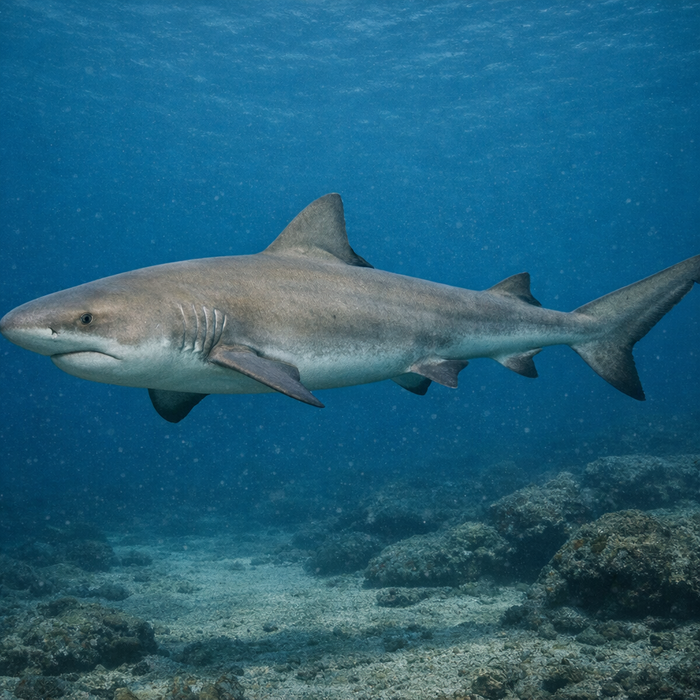
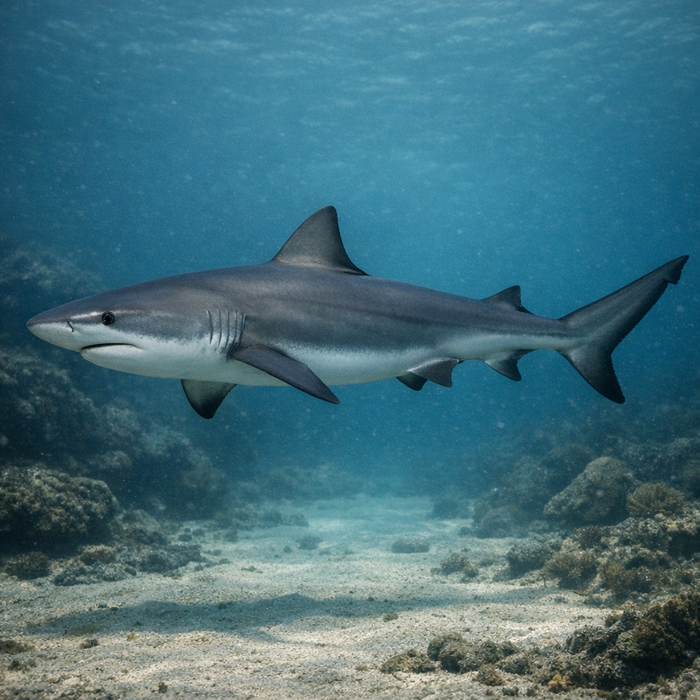
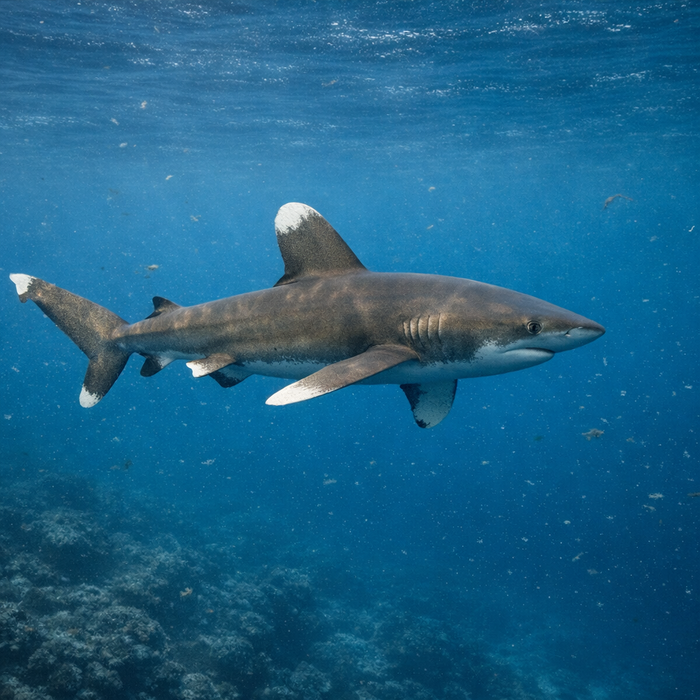
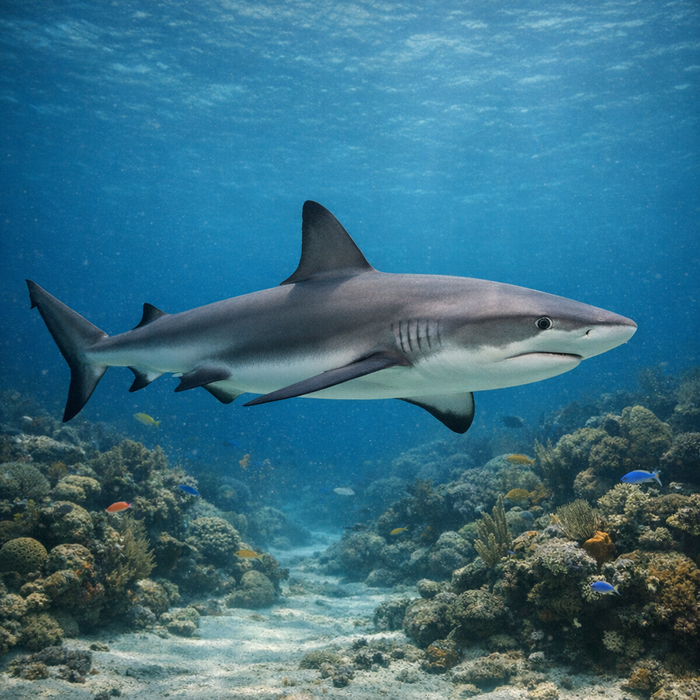
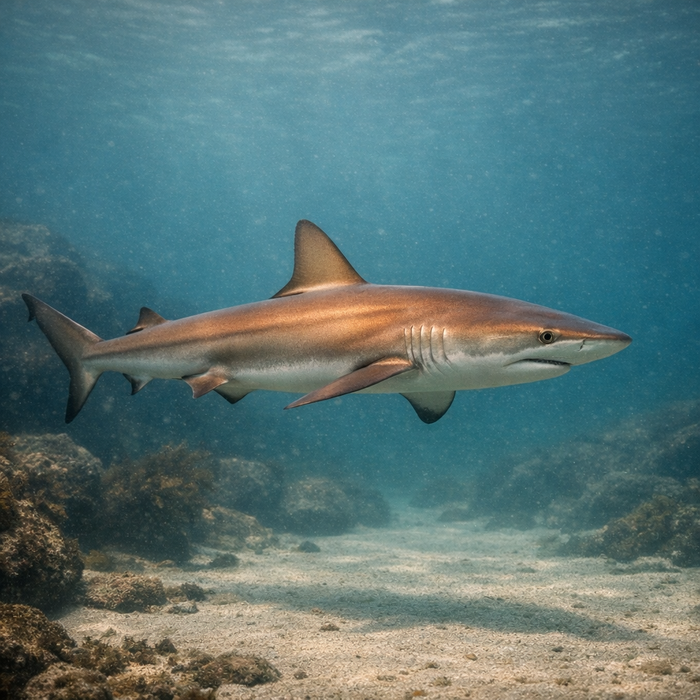
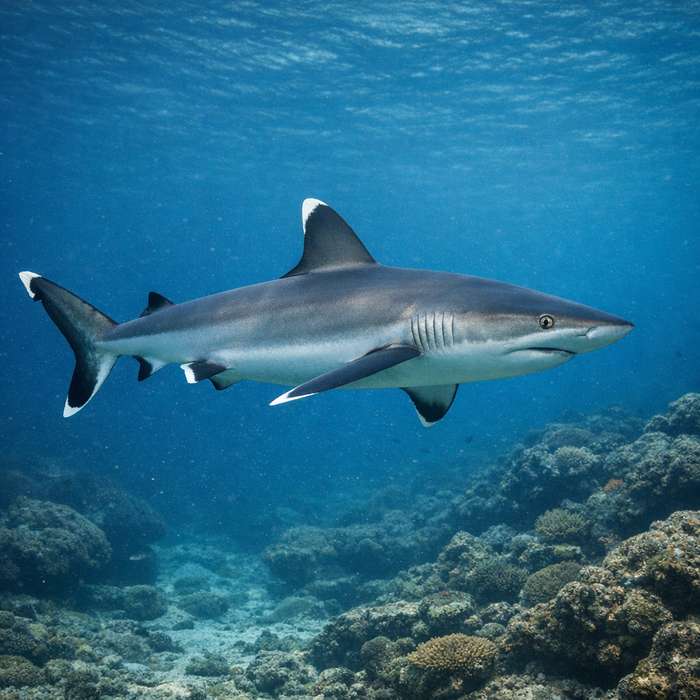
Blue Shark (Prionace glauca): The cobalt cruiser of the big blue, elegant and lethal in equal measure.IntroductionIf you picture a shark built for the open ocean, you're picturing the blue shark. Long, scythe-like pectorals, a slim torpedo frame, and that unmistakable electric hue-this fish is all glide and attitude. Anglers love them because they show up where the water is empty of landmarks and full of mystery, then turn a quiet chum slick into a surface rodeo. Looking for real Blue shark facts and practical intel without the lecture? You're in the right wake.What Makes the Blue shark Unique?Start with style points: that blue armor. It's not just pretty; it's next-level camouflage in sunlit water. Add a set of needle-serrated teeth for slicing, not crunching, and you've got a specialist built to carve through pelagic bait. Then there's stamina. The blue shark doesn't just live offshore; it clocks trans-ocean mileage like it's running a frequent flyer program. For anglers, that means a fish that materializes out of true-blue nothing, samples your chum line with maddening caution, and then either ghosts away or explodes on a bait with zero warning.Habitat & Global RangeThe blue shark is a temperate-water pelagic hunter that cruises the epipelagic and upper mesopelagic layers of the open ocean. Think temperature breaks, color changes, floating debris, and long edges where bait stacks. Blue shark habitat can appear featureless to us, but they read the highway signs-currents, fronts, and prey concentrations-and follow them across entire basins. They're one of the most widely distributed sharks on the planet, present in both hemispheres. You'll encounter them offshore of the Northeast U.S., the Azores, the British Isles, South Africa, California, New Zealand, and far beyond. Depth isn't the limiter; they often work near-surface water over thousands of feet, then slide deeper when conditions say so.Behavior & TemperamentBlue sharks are curious and social by shark standards. It's common to see multiple fish spiraling up a chum slick, investigating baits with maddening restraint. They'll bump-test, slash once, then circle again. Others charge right in. Hooked fish bring long runs, direction changes, and dogged circles under the boat, testing knots, wire, and patience. Despite their sleek build, they fight above their weight, and their endurance can turn a quick tussle into an hour of honest labor.Ecological ImportanceAs mid-to-high-level predators, blue sharks help shape pelagic food webs by cropping schooling bait and scouting wide water for weak or injured prey. They're mobile nutrient movers too; by cruising long distances and feeding broadly, they redistribute energy across huge oceanic neighborhoods. Their presence in numbers around fronts and eddies is a tell that the system is alive, connected, and productive.Conservation & Environmental PressuresBlue sharks are one of the most commonly caught sharks globally, often as longline bycatch. That volume, plus fin trade pressures, has pushed them to Near Threatened in many assessments. Their wide range masks local drops; you can still have great days yet be missing the bigger picture. Responsible handling, selective gear, and release-focused tactics matter. Regional management is improving, but enforcement and data gaps remain. If you like seeing that cobalt shape ghost into your slick, it's worth supporting regulations that keep them around.The FishyAF TakeThe blue shark is offshore fishing's equalizer: no reef, no wreck, no skyline-just you, a chum bag, and patience. When they show, it's cinematic. When they don't, it's humbling. They're not the bruiser mako or the deep-shouldered thresher, but pound-for-pound they're the most accessible open-ocean shark game out there. Treat them like the athletic, wary, migratory athletes they are. Fish clean wire, watch your drags, and respect the release. You'll leave with bloody decks, frayed sleeves, and a memory that smells like bunker oil and victory. That's the blue shark experience, and it never gets old.