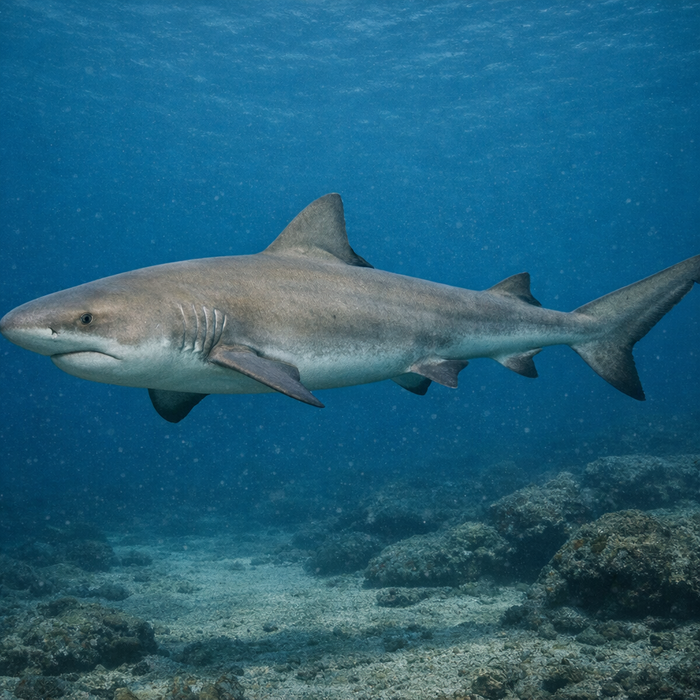
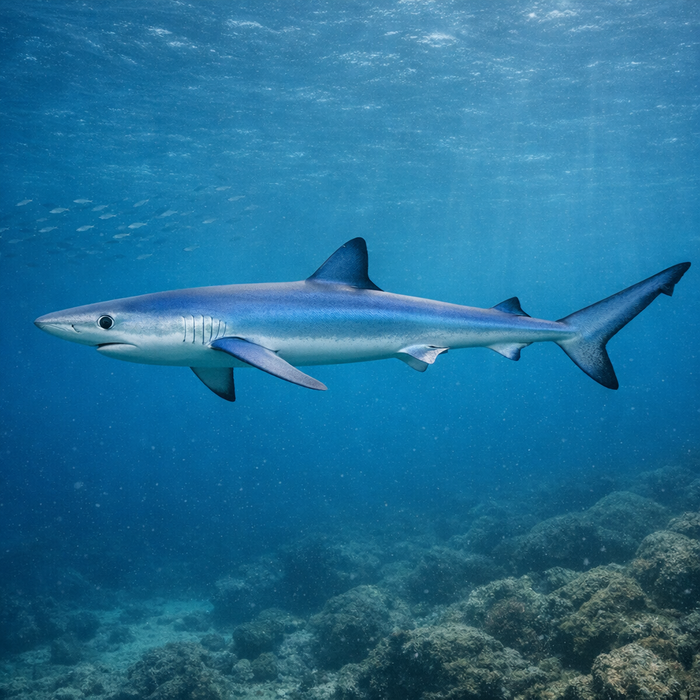
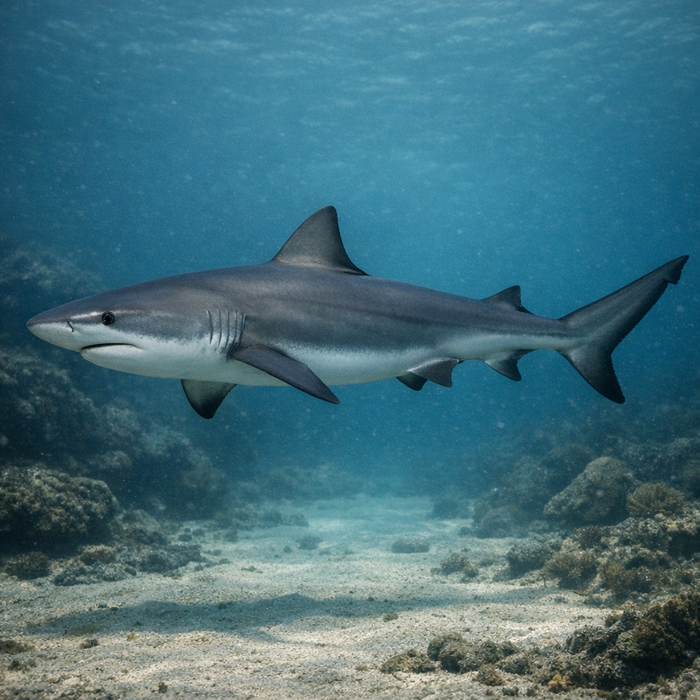
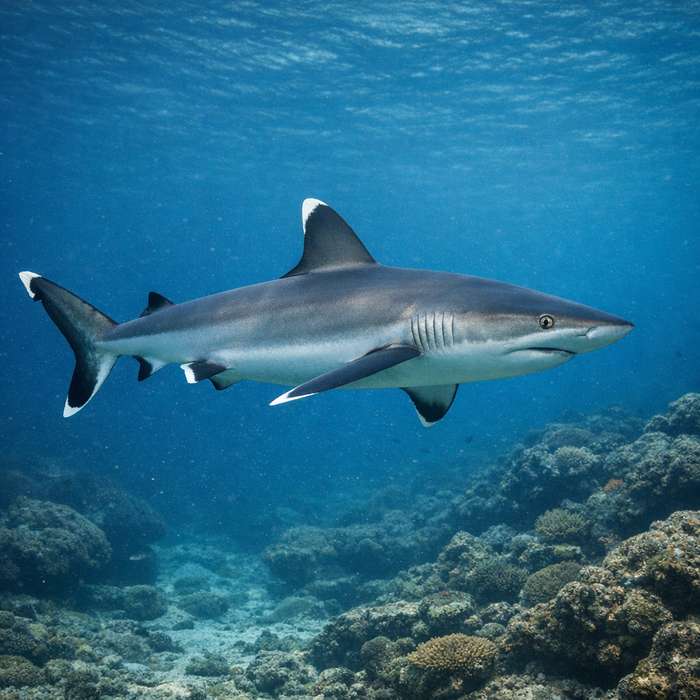
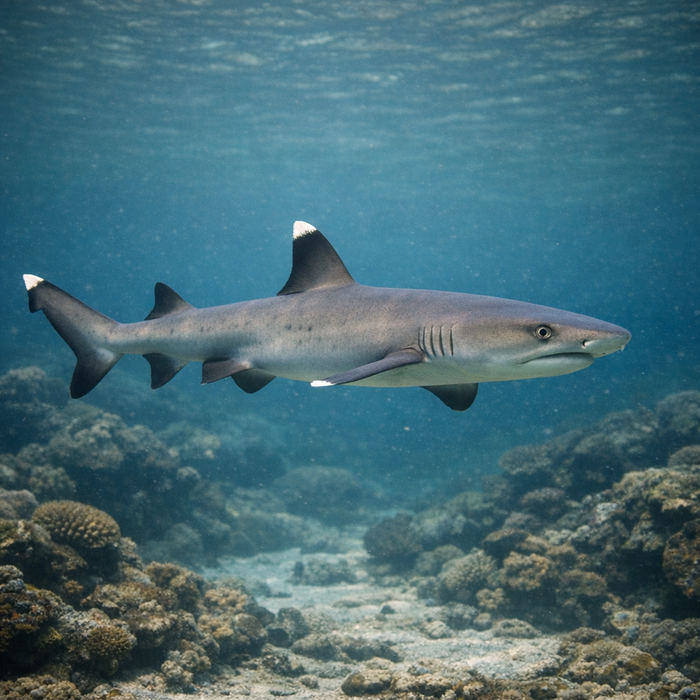
Copper Shark (Carcharhinus brachyurus): Bronze muscle in the surf with a mean left hook and stamina for days.IntroductionThe copper shark is the bronze freight train that shows up when the water warms and bait stacks tight. Shore crew call them bronzies; boat anglers just call for more line. They thump baits, run long, and turn heavy gear into chew toys. If you want a shark that mixes big-game swagger with surf-zone chaos, the copper shark is your huckleberry. Here are the essential Copper shark facts without the fluff.What Makes the Copper Shark Unique?First, the look: that burnished, metallic sheen that flips from bronze to copper as light hits the flank. It's not subtle, and neither is the fish. Second, this shark is a traveler. Tagging shows copper sharks can roam over a thousand kilometers seasonally, ping-ponging between nearshore nurseries and feeding grounds on the continental shelf. Third, they birth unusually large pups for a requiem shark, often around 60-70 cm, which helps those youngsters survive life in the hectic surf.Habitat & Global RangeIf you're mapping Copper shark habitat, think temperate coastlines with sandy beaches, surf gutters, and adjacent bays, plus open shelf water within a quick commute. Southern Africa, southern Australia, New Zealand, and the southwest Atlantic around Uruguay and Argentina headline the range. They'll nose into estuaries when salinity cooperates and slide right back out to 20-100 meters over the shelf when bait flees the beach. Seasonal pulses are the norm: warm months pull them shallow, cold snaps push them deeper or farther along the coast.Behavior & TemperamentCopper sharks are classic roamers with a pack-hunter twist. They'll aggregate along sandbars and rips when bait schools up, then ghost away as quickly as they arrived. Hook one and you'll get long, grinding runs and a lot of head-shaking torque. They aren't the acrobats of the shark world, but they are relentless. Dusk, dawn, and nighttime see the best activity along beaches, while daytime action improves when current pins bait to structure like outer bars and reefy edges. They're curious but not reckless; heavy wire or thick mono leaders are standard because those angled, serrated teeth mean business.Ecological ImportanceThis species plays the enforcer on temperate shelves, trimming overabundant bait and keeping mid-level predators honest. Copper sharks transfer energy between nearshore nurseries and offshore foraging zones, and their seasonal movements mirror bait dynamics across entire coastlines. Healthy numbers signal a well-stocked food web with room for big predators. Lose them and you often inherit baitfish booms, jelly surges, and a cascade of weirdness that anglers feel in their catch logs first.Conservation & Environmental PressuresCopper sharks mature late and don't pump out litters like smaller coastal sharks, so fishing pressure hits hard. They're common bycatch in gillnets and longlines, and fin markets historically haven't helped. Coastal development squeezes nursery habitat, and water quality issues in estuaries can smother the next generation before it even gets rolling. Status varies by jurisdiction, but the trajectory improves where bycatch mitigation, seasonal closures, and better handling practices are enforced.The FishyAF TakeThe copper shark is a blue-collar big game fish that doesn't require a 60-mile run offshore or a mortgage payment in fuel. It's a temperate bruiser that turns any beach into a big-league arena when the bait shows. Respect the teeth, run stout tackle, and keep release gear handy. Fish smart around tides and current, and you'll turn maybes into hookups. As apex predators go, the copper shark is the accessible badass: close enough to reach, mean enough to remember.