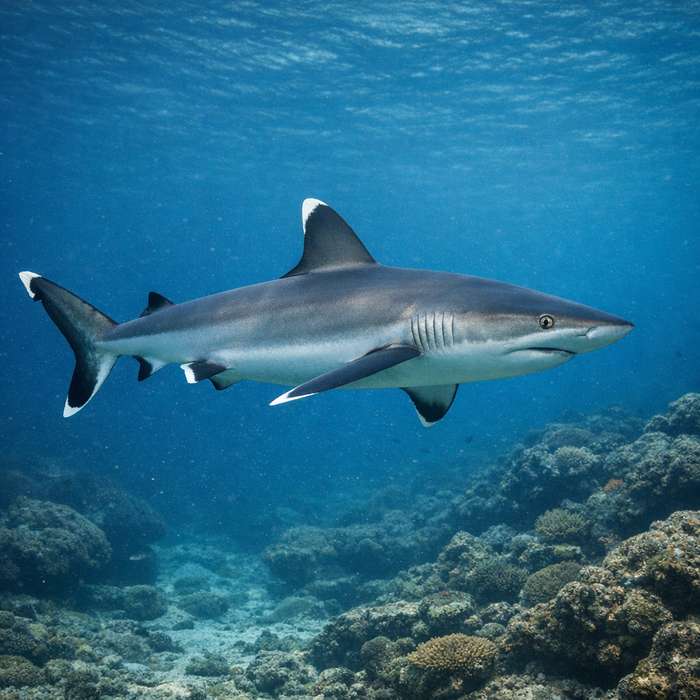
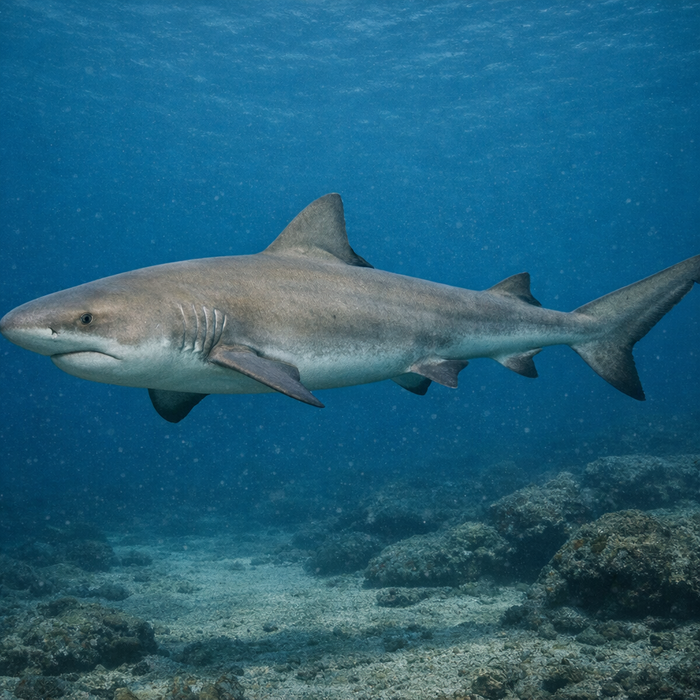
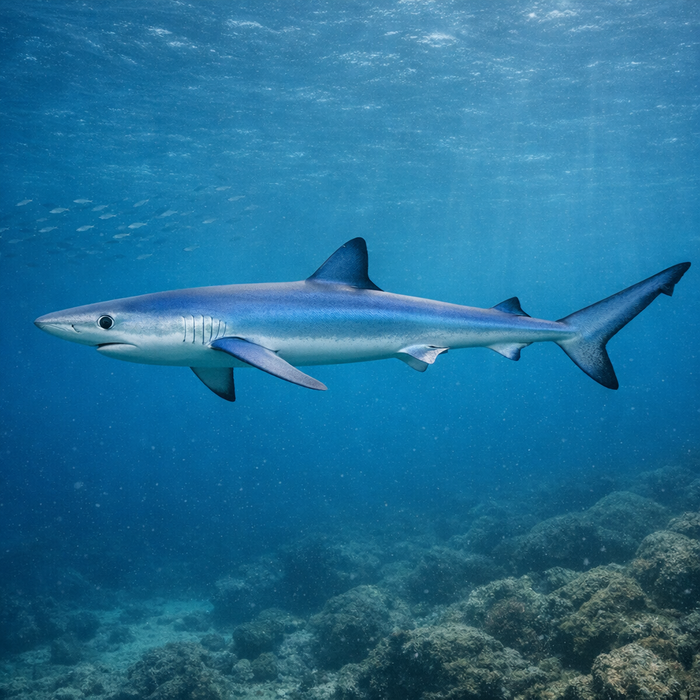
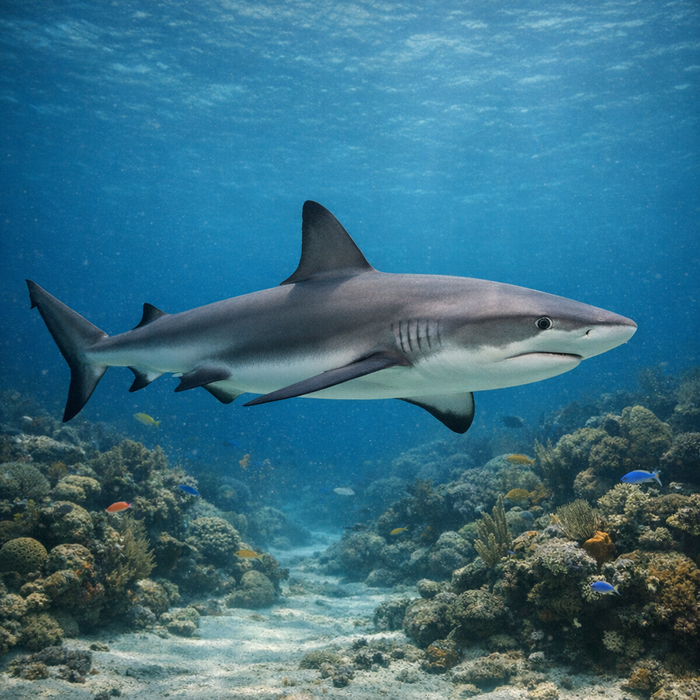
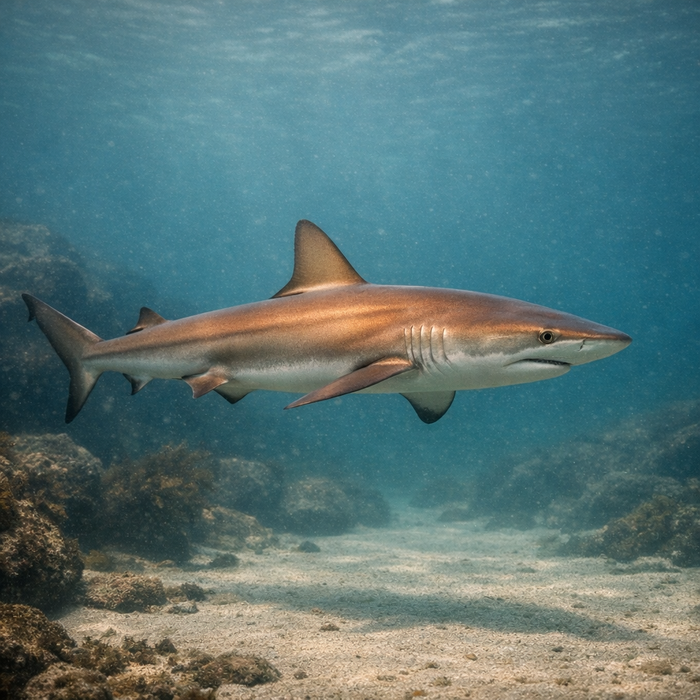
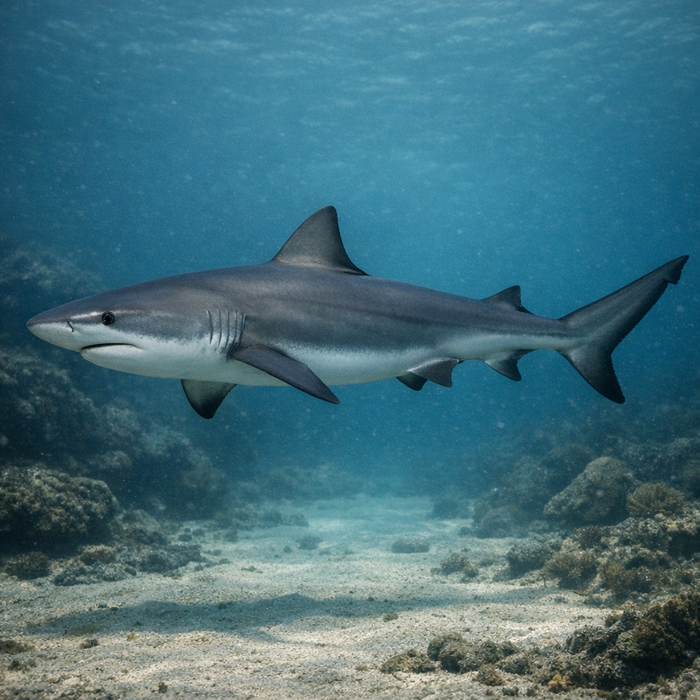
Whitetip Reef Shark (Triaenodon obesus): Night-shift reef ninja with a taste for tight spaces.IntroductionThe whitetip reef shark is the after-hours bouncer of Indo-Pacific coral. When the sun drops and parrotfish tuck into their coral sleeping bags, this sleek customer gets to work. It is not the biggest shark on the block, but it might be the most flexible, literally. If you want a shark that actually belongs in the word "reef," start here. Consider this your field guide to whitetip reef shark facts, best encounters, and the kind of behavior that keeps divers and anglers equally starstruck.What Makes the Whitetip Reef Shark Unique?Two standout tricks define this species. First, it can rest on the bottom for hours, actively pumping water over its gills. Many sharks must swim to breathe; the whitetip reef shark just lounges like a cat in a cave. Second, it folds itself into coral crevices most predators can't touch. That bendy spine plus a blunt snout lets it snake into holes and flush out sleeping fish. The white flash on its dorsal and tail tips is the easy tell, but the real signature is that slow, confident prowl, followed by a lightning jab at close range.Habitat & Global RangeThe whitetip reef shark is a coral specialist across the tropical Indo-Pacific, from East Africa and the Red Sea across the Indian Ocean to the central Pacific. Think outer reef slopes, passes, ledges, and cave systems in 10 to 100 feet of water, with most action in the shallow half of that. It shows textbook site fidelity. You'll see the same individuals cruising the same gullies for months or years. If you want to understand whitetip reef shark habitat, picture a living maze of coral heads, surge channels, and undercut ledges.Behavior & TemperamentBy day, the whitetip reef shark stacks up with buddies inside caves, barely twitching a fin. Come dusk, the vibe changes. It turns into a methodical, close-quarters hunter. Don't expect sprinting chases across open sand; expect short, brutal lunges inches from cover. It is calm around divers and selective with prey, but it is not tame. Hook one near a bommie and it will saw you off on coral if you give it an inch. Most bites happen at night, dawn, and dusk when reef fish are dozy.Ecological ImportanceThis shark is a cleanup crew and population manager. It keeps small-to-medium reef fish honest, especially the ones that nap in crevices. Its ability to wedge deep into coral lets it hit prey others miss, redistributing pressure across species that would otherwise hide their way to overabundance. On healthy reefs, the whitetip reef shark is a visible symbol of balance: not an apex heavyweight, but definitely a top-tier enforcer.Conservation & Environmental PressuresThe whitetip reef shark takes a classic shark beating: slow growth, long gestation, few pups, and high value in some fisheries. Add reef degradation, coastal development, and heat stress, and the math gets ugly. Many nations now restrict shark harvest or create no-take zones around the best reefs. That protection works. Reefs with guards and rules have more whitetip reef sharks. Reefs with nets and dynamite have fewer. It is listed as Vulnerable in many assessments, and while populations persist, local collapses happen fast.The FishyAF TakeYou want a proper reef shark? This is it. The whitetip reef shark is the flashlight beam you catch at midnight, the pale fin tips sliding past a honeycomb of coral, the "oh no" when your leader kisses limestone. It is approachable, photogenic, and still wildly efficient. If you fish where it is legal, bring real tackle and get the hook out quick. If you dive, keep your distance and enjoy the show. Either way, respect the night shift. The reef runs better when the whitetip reef shark is on patrol.