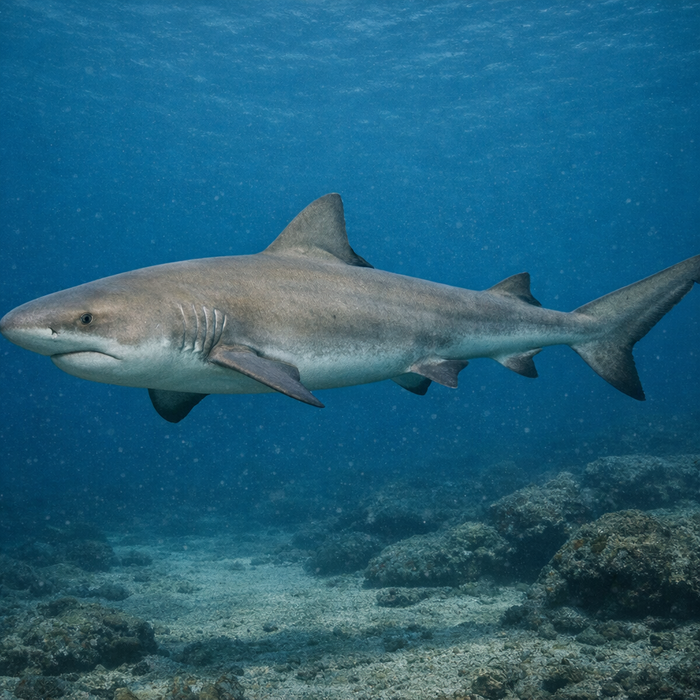
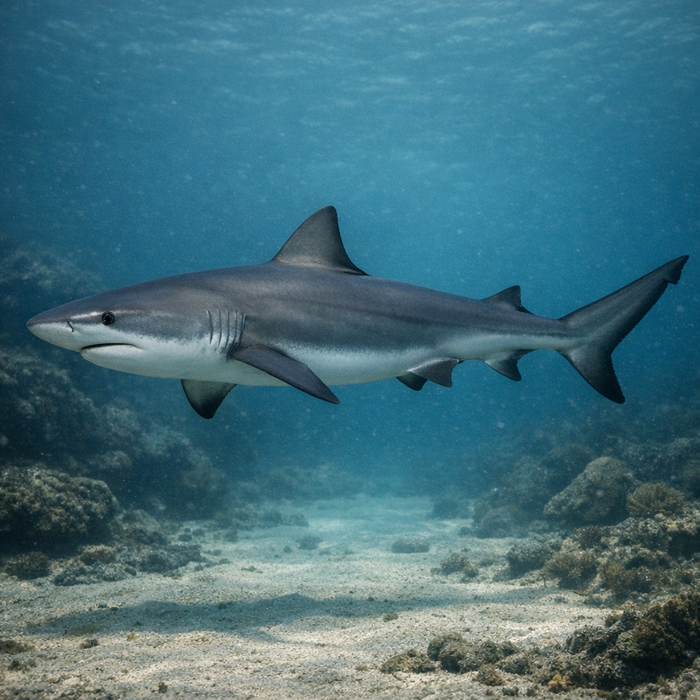
Oceanic Whitetip Shark (Carcharhinus longimanus): The surface-haunting heavyweight of the blue desertIntroductionMeet the oceanic whitetip shark, the swaggering drifter of the high seas. Where most sharks hug coasts or structure, this one owns the big empties. Sail a thousand miles from land, toss a chum block, and if any shark shows up to investigate first, it's often this bronze brute with the oversized white-tipped fins. For anglers who dream in cobalt and current lines, few creatures are more iconic or more sobering to encounter. Consider this your crash course in oceanic whitetip shark facts and attitude.What Makes the Oceanic Whitetip Shark Unique?Start with those fins. The oceanic whitetip shark wears massive, rounded pectorals like airplane wings, built for gliding over endless bluewater. It's a specialist in surface territory where light is bright, eyes are up, and scent travels far. This shark is famously bold and investigative, cruising into slicks and shadowing boats with a confidence that unnerves even salty crews. Historically abundant and highly opportunistic, it arrives fast when there's action, often outcompeting other pelagics at floating debris or carcasses. When something hits the water out there, it notices.Habitat & Global RangeIf you're looking for quintessential oceanic whitetip shark habitat, think warm, clear water far offshore. Circumtropical and subtropical, it works current edges, FADs, rips, longlines, tuna fleets, and random flotsam. It spends a lot of time near the surface but can dive deeper when needed, riding thermal layers and bait movement. Its range is global, but abundance isn't what it used to be. Where it was once the open-ocean headliner, heavy fishing pressure and bycatch changed the picture. Still, in the right pockets of the Atlantic, Pacific, and Indian oceans, the old pattern holds: bluewater, warmth, and something that smells like food.Behavior & TemperamentThis shark operates on curiosity and efficiency. It patrols deliberately, trims energy with long, low-effort glides, and inspects anything that might pay off. It investigates boats, drifts with debris, and shows up in mixed-company feeds with tunas, dolphins, and silky sharks. Bold, yes, but not mindless. The oceanic whitetip shark tests with bumps and slow circles before escalating. When it does decide to eat, it hits with startling speed for a fish that looks so relaxed at idle. Fights are dogged and surface heavy, with big tail sweeps and lunging head shakes.Ecological ImportanceThe oceanic whitetip shark is an apex predator that stitches the pelagic food web together across vast distances. It culls the slow and the unlucky, cleans up carrion, and redistributes nutrients through movement. Remove a top glider from the system, and you end up with bait distributions and mid-level predators behaving differently. That ripple runs all the way back to the boat deck. Healthy bluewater needs patrolling teeth, and this species historically patrolled more miles than almost any of them.Conservation & Environmental PressuresHere's the hard truth: the oceanic whitetip shark has been hammered by bycatch and fin demand, and populations crashed across much of its former strongholds. It's listed as Critically Endangered globally, and many regions now ban retention entirely. Longline fisheries, FAD-heavy fleets, and warming seas all complicate the comeback. The good news is that clear rules and better handling practices are spreading. Circle hooks, dehookers, and release training save real animals. A live whitetip slipping back into the cobalt is a win every time.The FishyAF TakeThe oceanic whitetip shark is a lesson in bluewater priorities. It's the first to the slick, the last to get bored, and it turns calm days weird fast. Anglers love its presence and respect its power, but today the flex is restraint. You can admire the glide, feel the line thrum, and still choose release without a hero weigh-in. If you want Oceanic whitetip shark facts worth remembering, start here: this fish once defined the open ocean, and with smart choices, it can headline again. For anyone who lives for rips, birds, and a chum bag, the oceanic whitetip shark remains the most unforgettable shadow under a blazing sun.