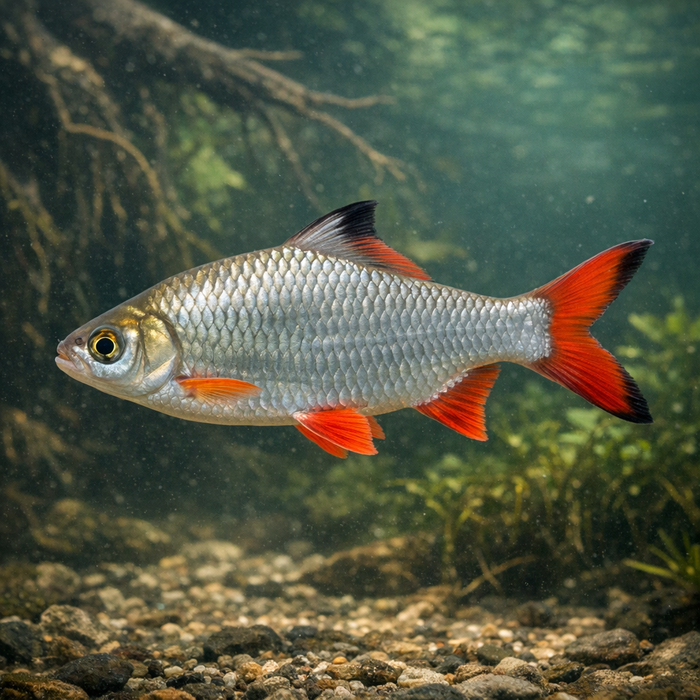
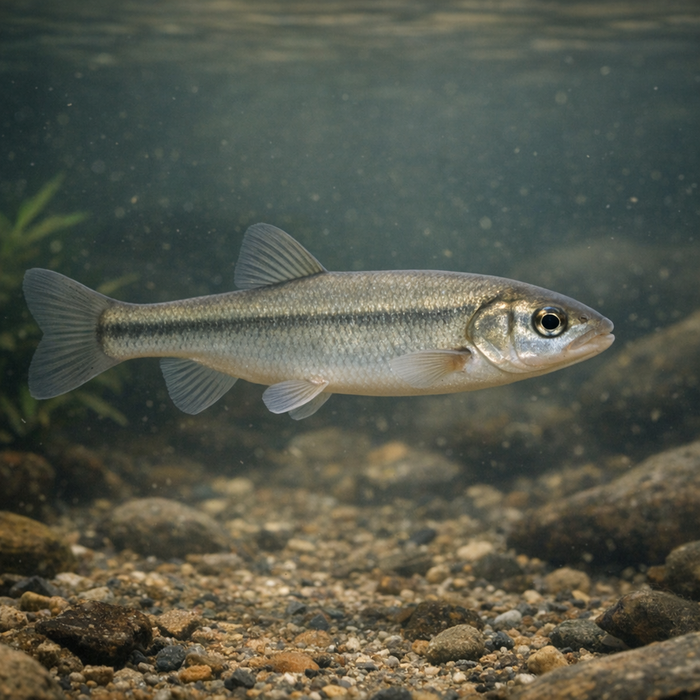
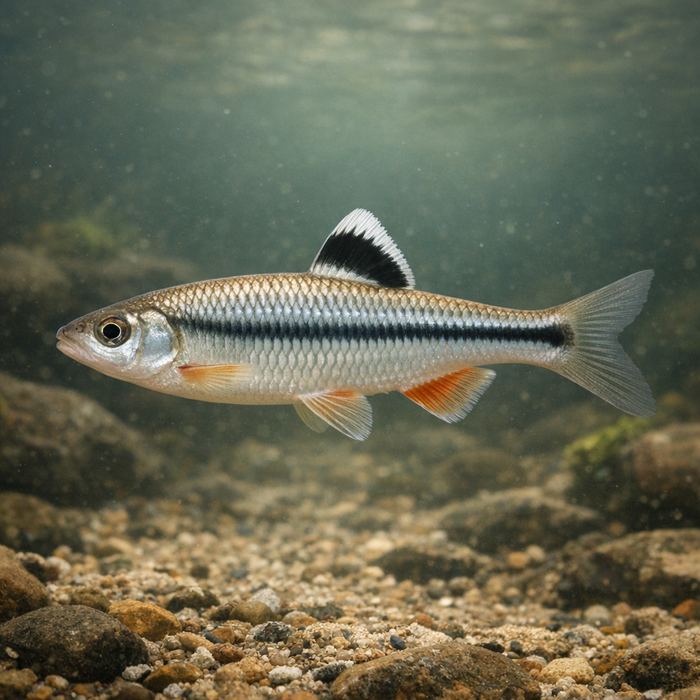
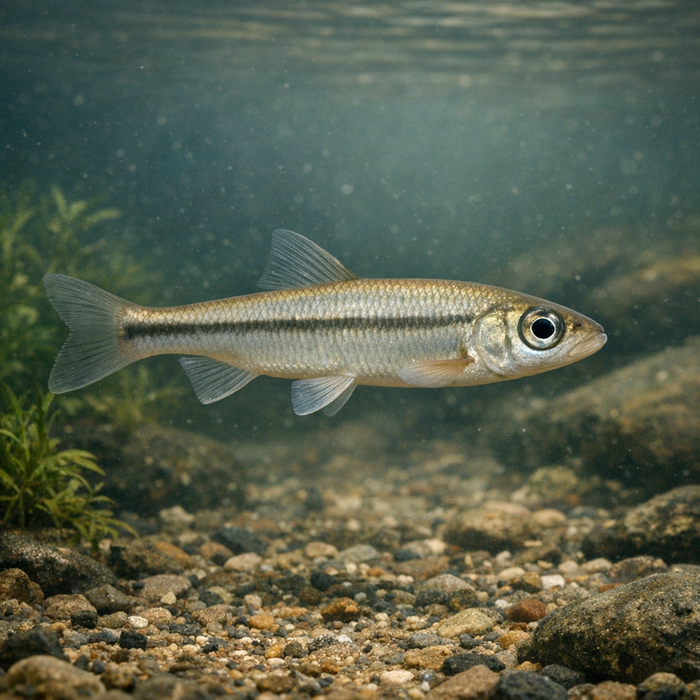
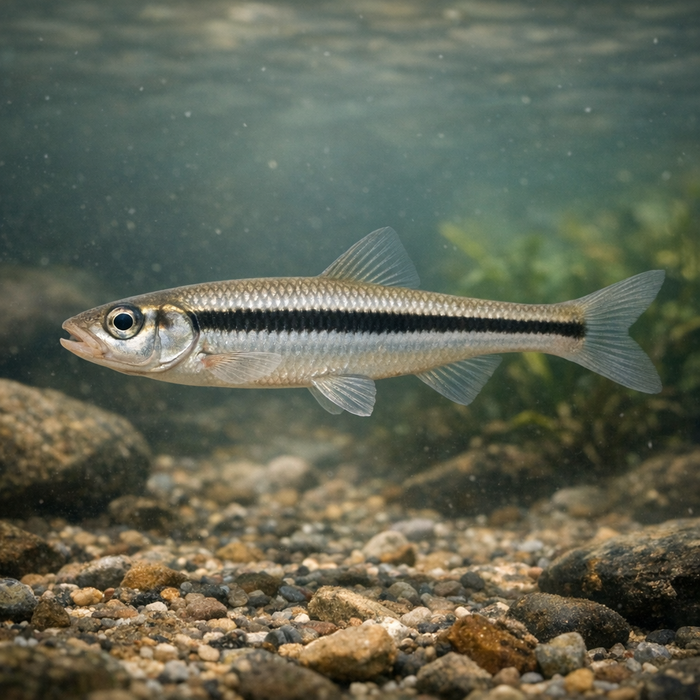
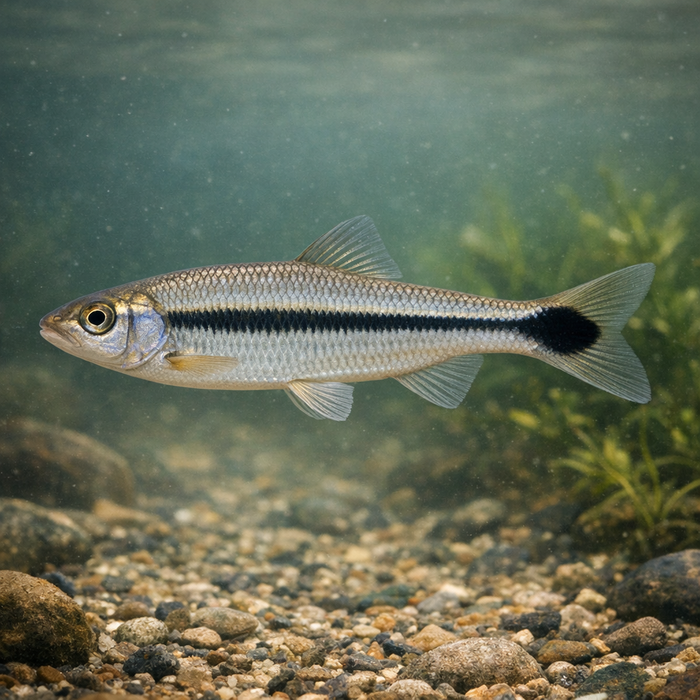
Bitterling (Rhodeus sericeus): A Bold, Memorable Hook LineIntroductionThe Bitterling is proof that fishing doesn't need big teeth or big water to be fascinating. This pocket-sized cyprinid thrives where weeds wave, mussels breathe, and patient anglers sip coffee watching a pin float tremble. If you're into microfishing or just love weird fish stories, this one brings both, with a reproductive trick that sounds made up and colors that light up when the moment's right.What Makes the Bitterling Unique?Two words: mussel nursery. The Bitterling lays eggs inside live freshwater mussels using a telescoping ovipositor, then lets the bivalve handle incubation. It's not babysitting. It's biohacking. Add in the male's quick-change breeding suit-copper blush with turquoise fin highlights-and you've got an unforgettable little fish. For anglers, that mussel dependency shapes everything. Find mussels and you've basically found the neighborhood.Habitat & Global RangeIf you're chasing Bitterling, think quiet water with plants and steady clarity. Slow rivers, canals, and farm ponds all qualify if unionid mussels are present. Beds of pondweed, eelgrass, or milfoil give cover, while subtle current or wind lanes help concentrate plankton and micro-invertebrates. In Europe and East Asia, Bitterling occupy lowland habitats where silt and shell hash mix, and the water warms enough to cue spawning. This Bitterling habitat preference makes shoreline access king. Waders and long-handled nets beat boats more often than not.Behavior & TemperamentBitterling behavior is all about tight orbits. Adults school loosely, then lock down around mussel beds during the spawn. They pick and peck like tiny carp, rarely committing to big moves, which is why a BB-sized bit of bread or a single maggot outfishes fancy presentations. Spawning males claim mussels like condos, posturing at intruders and spiking their colors. The fight? Measured in inches, not yards. The fun is finesse-watching the float kiss down, then nail-timing a hookset on a mouth the size of a rice grain.Ecological ImportanceHere's where Bitterling facts get cool. Their life cycle ties them to unionid mussels, an imperiled group nearly everywhere. Bitterling test a mussel's health by nipping the siphons before committing eggs, which likely favors fitter hosts. Their embryos ride in the mussel's gills, exit weeks later, and the circle continues. While that hitchhiking can stress the host, it also forges a weirdly tight link between fish behavior and mussel conservation. Healthy mussels usually mean healthy Bitterling, and vice versa.Conservation & Environmental PressuresThe Bitterling itself is generally listed as Least Concern in many areas, but the system it needs is not. Silt-choked channels, invasive bivalves, pollution, and dredging can wipe out mussel beds fast. When the mussels go, Bitterling recruitment tanks. Add fragmented waterways and hard shoreline engineering and you get fewer plants, fewer hosts, and fewer fish. Fortunately, small-scale restoration-replanting aquatic vegetation, improving water clarity, and protecting unionid populations-pays real dividends for this species.The FishyAF TakeThe Bitterling won't spool you. It won't torch a drag or mug your selfie. But it will teach you how to read still water, how to think like a mussel, and how precision matters more than horsepower. If your fishing life needs a reset, go ultralight, stalk a green lane, and hunt for that twitchy float over a mussel patch. The Bitterling is the gateway fish to noticing everything else, and that's never a small win.