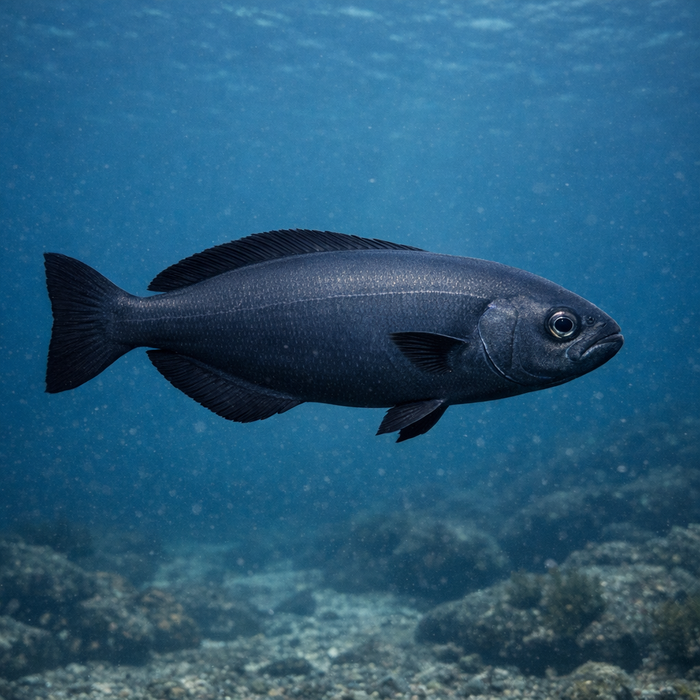
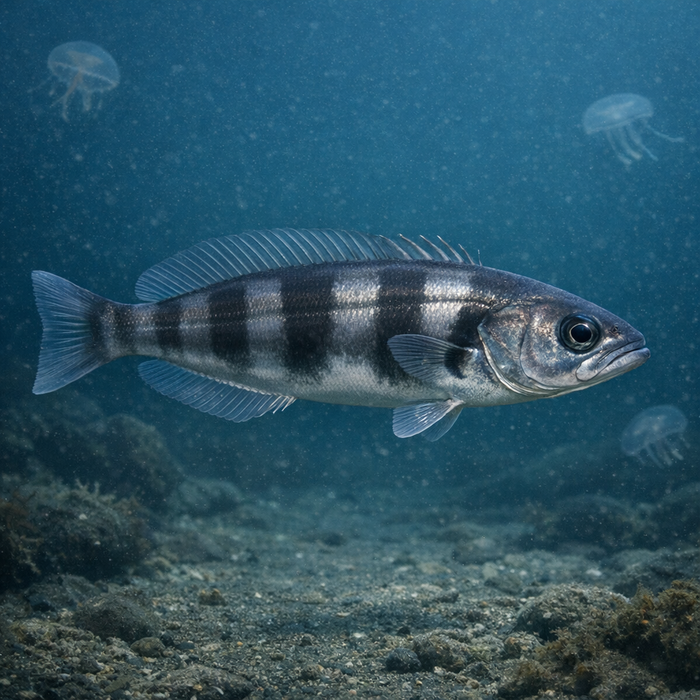
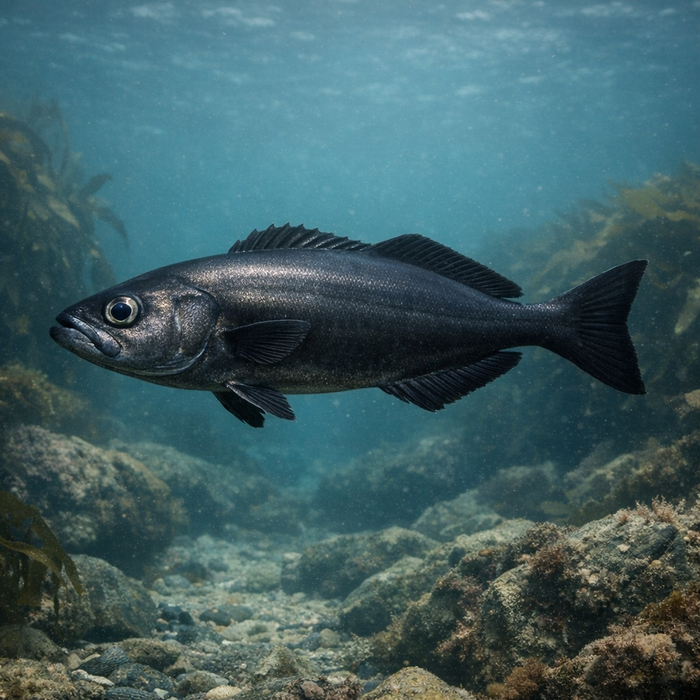
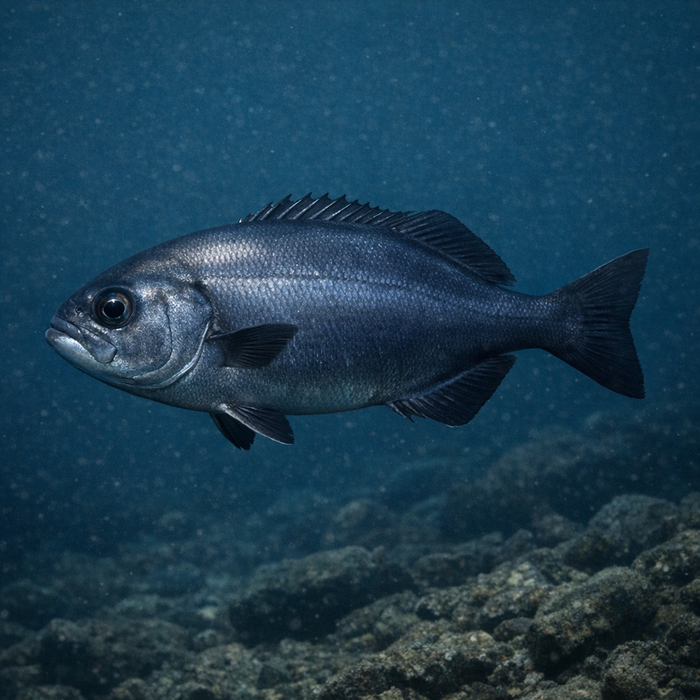
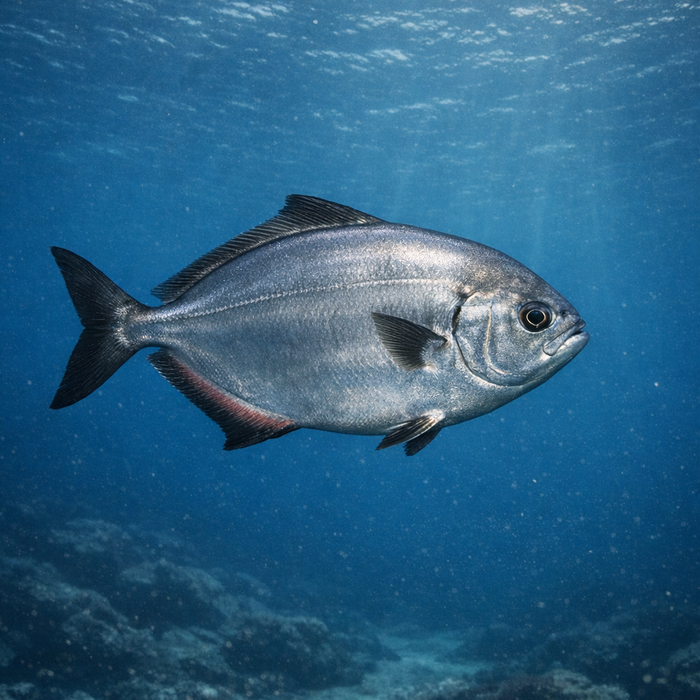
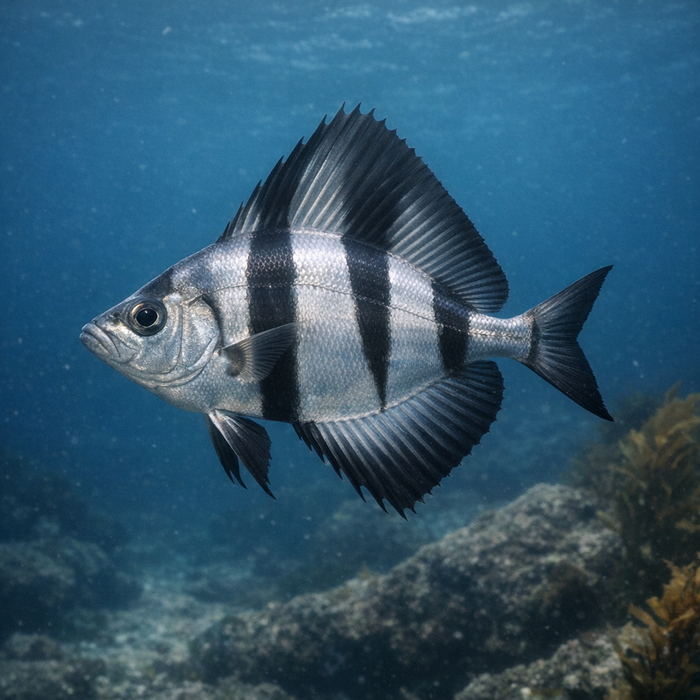
Black Driftfish (Hyperoglyphe bythites): A Bold, Memorable Hook LineIntroductionThe black driftfish is the shadow cruising where sunlight taps out and the deep starts to whisper. It is not the poster child of offshore trips, but when one thumps your rig 1,000 feet down, you remember it. This is a mesopelagic prowler with weird friends, weirder eating habits, and a knack for turning bycatch into bragging rights. If you want black driftfish facts without the snooze factor, keep reading.What Makes the Black driftfish Unique?Two things jump out. First, the black driftfish lives a double life: as a juvenile it plays bodyguarded hitchhiker beneath jellyfish bells and floating debris, then grows into a midwater hunter over deep slopes and seamounts. Second, it is built for twilight. Big, light-hungry eyes and a dark, velvet body let it ghost through dim water where bait schools drift and predators nap. Add a high-arching lateral line that hoovers up vibration, and you have a deepwater specialist that doesn't need a reef to feel at home.Habitat & Global RangeIf you are searching for true Black driftfish habitat, think blue water and depth. This species roams offshore edges, continental slopes, and seamounts, usually a few hundred meters down and sometimes much deeper. It is broadly distributed across temperate and subtropical oceans worldwide. Juveniles cluster around drift lines, sargassum patches, and random offshore trash, turning the open ocean's emptiness into a mobile neighborhood. Adults spend most time midwater but can edge toward the bottom along ledges when currents stack food.Behavior & TemperamentThe black driftfish is a cruiser, not a sprinter. It tends to travel in loose company, tightening up when forage concentrates or when shelter is limited. Expect a daily rhythm: deeper during bright daylight, higher at night or in heavy overcast when plankton and small fish rise. Hooked fish aren't blistering runners; they spiral and thump with stubborn head shakes, a fight more grind than chaos. That makes sense given their body shape: deep-bodied, muscular through the shoulders, tuned for hovering and surging rather than tail-burning sprints.Ecological ImportanceBlack driftfish mop up midwater groceries that many predators ignore. Salps, gelatinous drifters, and small schooling fish are all on the menu. That makes them an energy converter between plankton-rich layers and higher predators, including tunas and sharks. Juveniles hiding under jellyfish bells probably reduce their own risk while opportunistically stealing snacks. Those oddball interactions are textbook open-ocean ecology: nothing is wasted, everything hitches a ride, and survival is about smart positioning as much as speed or teeth.Conservation & Environmental PressuresThere is no celebrity spotlight on the black driftfish, which is a blessing and a blind spot. It is not a heavily targeted sport fish, and commercial interest is modest and regional. Still, deepwater species catch collateral pressure from longlines, droplines, and midwater trawls. Add warming seas that shuffle currents and productivity bands, and you get shifting distribution and unpredictable encounter rates. Formal assessments are thin; "Not Evaluated" doesn't mean bulletproof, it just means we are not looking closely.The FishyAF TakeThe black driftfish is the offshore riddle you crack with patience and electronics. It is weird in all the right ways, a fish that graduates from jellyfish valet to midwater bruiser without needing a reef address. Most anglers meet it by accident while deep-dropping jigs or squid strips for something else. But if you chase edges, read current, and work the twilight layers, you'll see why this species sticks in memory. It may not be the loudest fish in the ocean, yet it owns its niche. File this under Black driftfish facts you can use: slow and steady midwater hunters are worth your time, especially when the graph lights up and the surface is dead. When the deep says drop, listen.