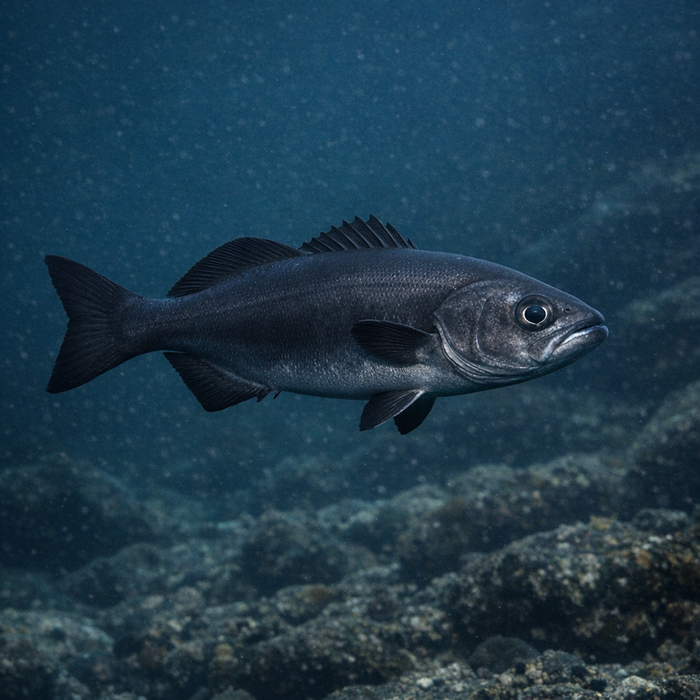
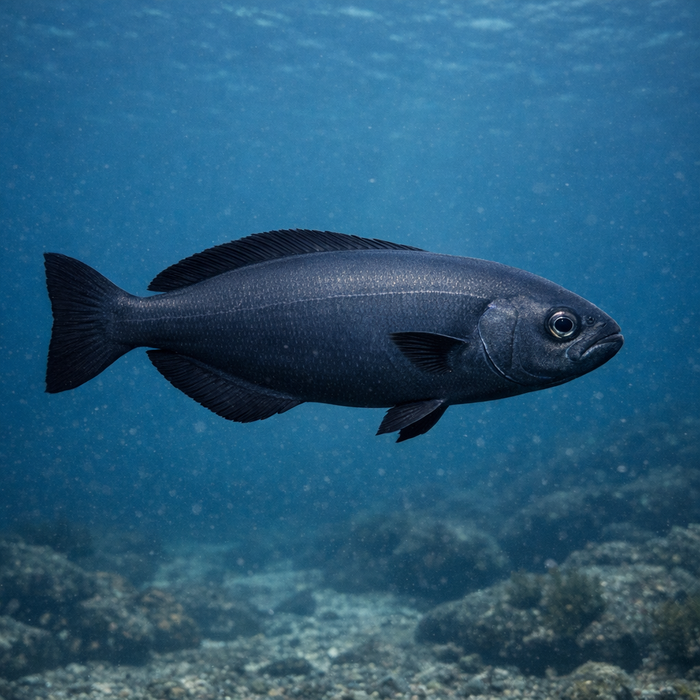
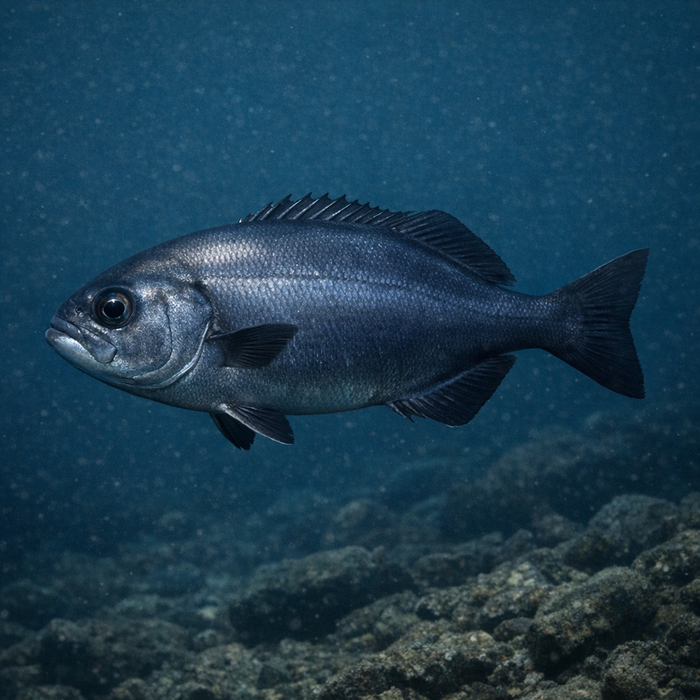
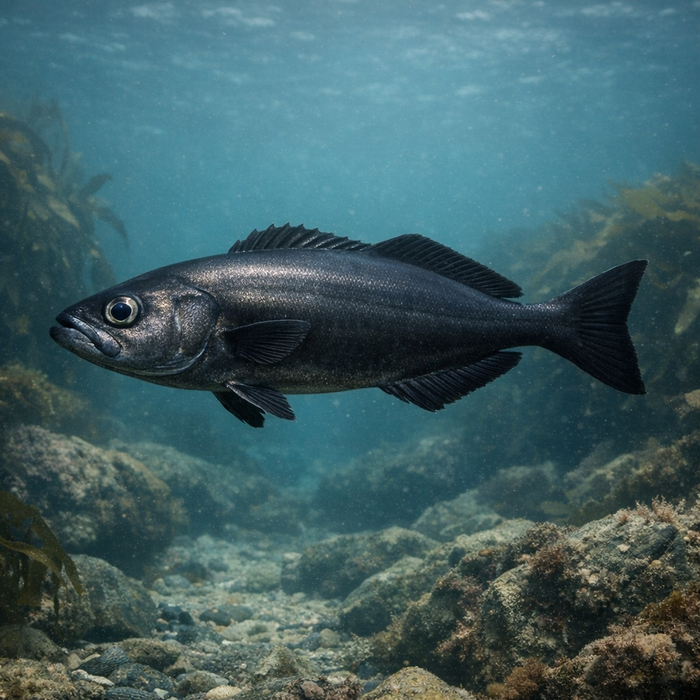
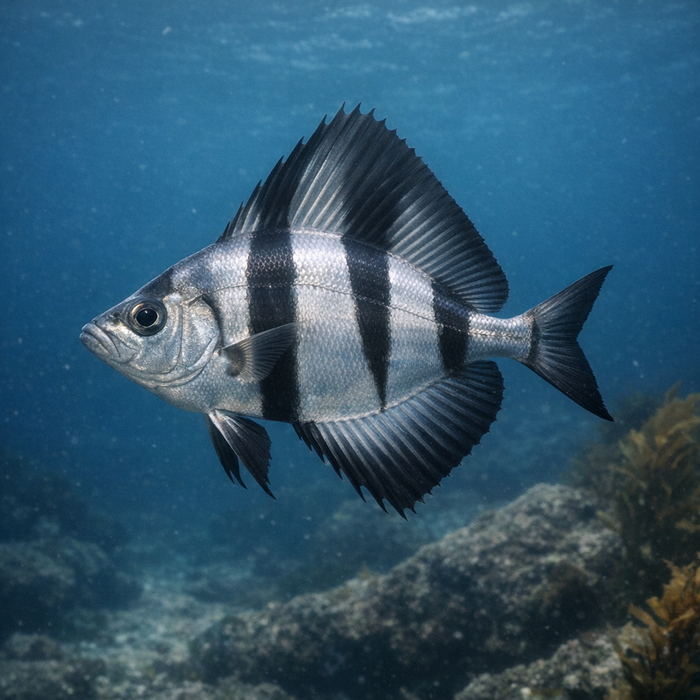
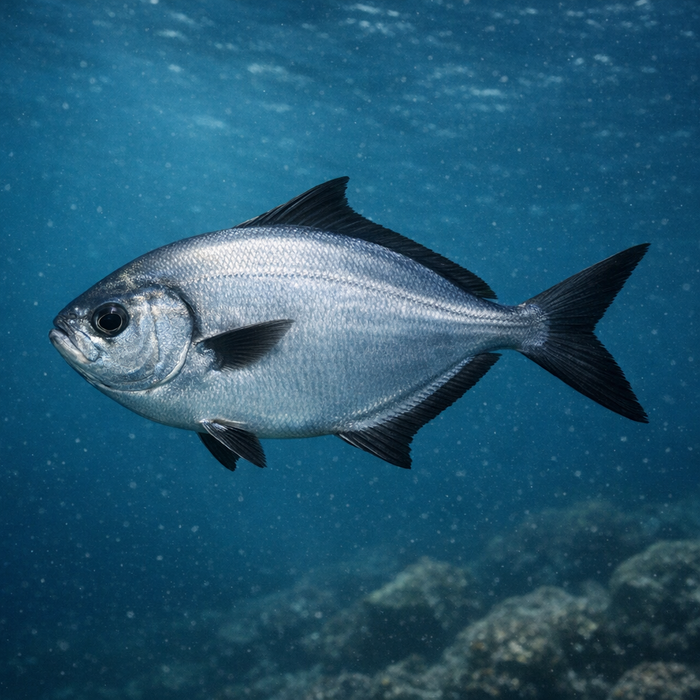
Medusafish (Icichthys lockingtoni): Jellyfish's Bold Little WingmanIntroductionThe medusafish is the oddball you meet once and never forget. It's a midwater drifter with a serious survival hack: hanging out in the stinging embrace of jellyfish like it owns the place. Small, shiny, and offshore, the medusafish hardly tops anyone's bucket list, but it lives a life so weird and specific that anglers and ocean nerds alike can't help gawking. If you've ever pulled a glow jig near a drifting jelly mass and felt a tap-tap from nowhere, you've probably met one.What Makes the Medusafish Unique?Two things: jellyfish and audacity. Juvenile medusafish tuck under jelly bells and slip through tentacles protected by a specialized mucus coat that shrugs off stings. They poach the jelly's hard-earned groceries, snapping up trapped plankton and small critters. Second, the body plan screams midwater: a deep, laterally compressed shape with a long low dorsal fin and large eyes tuned for dim blue light. It's not built to sprint like a tuna; it's built to ghost through the open ocean, make smart steals, and survive.Habitat & Global RangeIf you're studying Medusafish habitat, think wide, blue, and mobile. This species roams the North Pacific's offshore realm, showing up along the West Coast, Alaska, and Hawaiian waters, with movements tied to currents, convergence lines, and the drift of logs, kelp, and jellyfish blooms. Depth-wise, medusafish are classic midwater operators, working the upper hundreds of meters but sliding up toward the surface at night, especially around lights, debris, and gelatinous zooplankton swarms. It's a pelagic lifestyle, more about highways of flow than fixed addresses.Behavior & TemperamentMedusafish don't crash baits with reckless abandon, but they're not fussy hermits either. Around jelly clumps or floating structure, they track close, picking opportunistically. At night they get bolder, rising into jig range and pecking small offerings. They school loosely at times, drifting with the same conveyer belts as their gelatinous partners. Hook one and you won't confuse it with a yellowtail slugfest. The fight is modest, lots of midwater wobble, and a few darting surges. The real thrill is the encounter itself: catching a fish that treats deadly tentacles like a comfy couch.Ecological ImportanceThe medusafish plays a nifty role in the blue food web. By shadowing jellyfish, it converts that drifting biomass into compact fish calories that can be eaten by larger predators. It also shapes gelatinous communities by pilfering their trapped prey. Predators like tunas and billfish sometimes add medusafish to the menu, and seabirds nab them near the surface when jelly cover thins. This jelly-riding strategy shows how energy routes through the open ocean aren't straight lines; they zigzag through weird partnerships and micro-habitats.Conservation & Environmental PressuresNo red-flashing sirens hover over the medusafish right now, but offshore species ride the whims of ocean climate, hypoxia zones, and shifting currents. Large-scale jelly blooms, often tied to warming and ecosystem change, may alter their fortunes. They're not a commercial target, but they show up in research trawls and as incidental catch. The best defense is healthy pelagic systems: intact food webs, reasonable bycatch practices, and a climate that doesn't turn the midwater into a desert.The FishyAF TakeThe medusafish is proof that weird wins. It's not a grip-and-grin trophy, it's a story trophy. If you're offshore and stumble into jelly drift lines, throw a small jig or a sliver of squid and see who answers. Few fish deliver better bragging rights per pound. When someone asks for Medusafish facts, tell them this: it's the jelly's bodyguard, the ocean's midwater pickpocket, and one of the most delightfully specific fish you'll ever meet. Call it niche. We call it unforgettable.