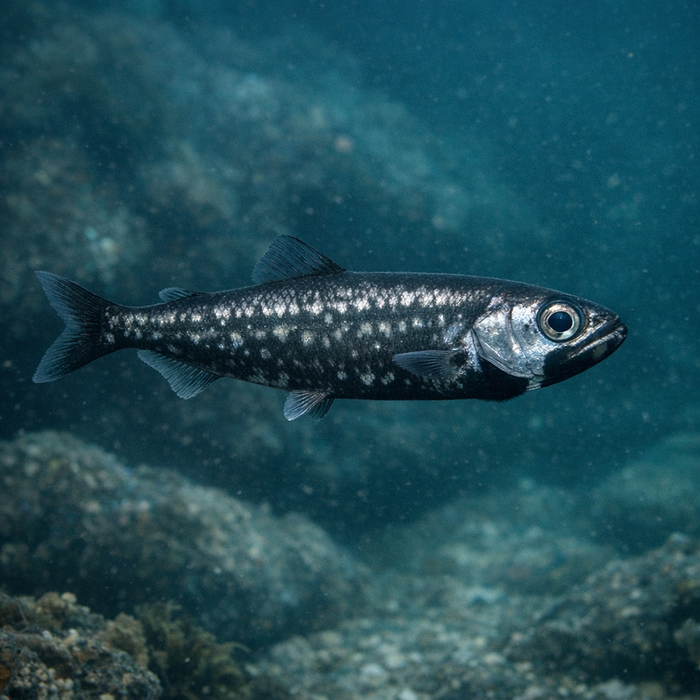
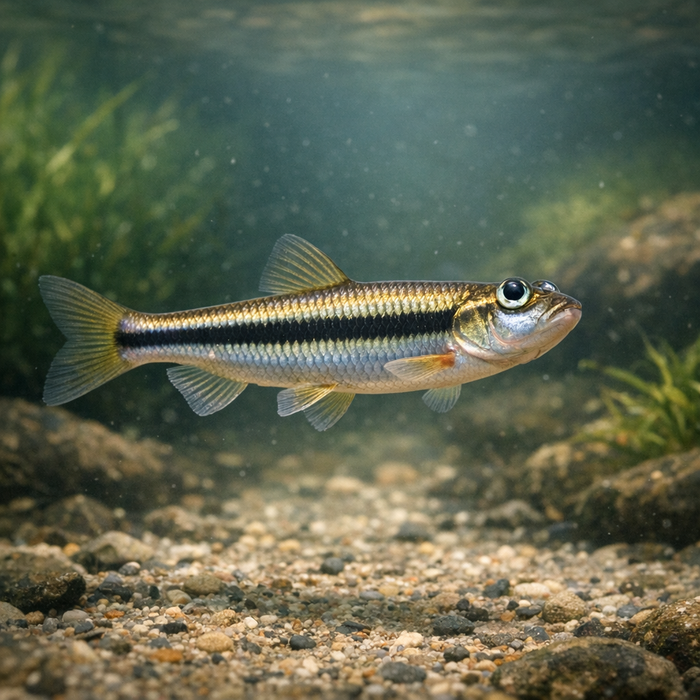
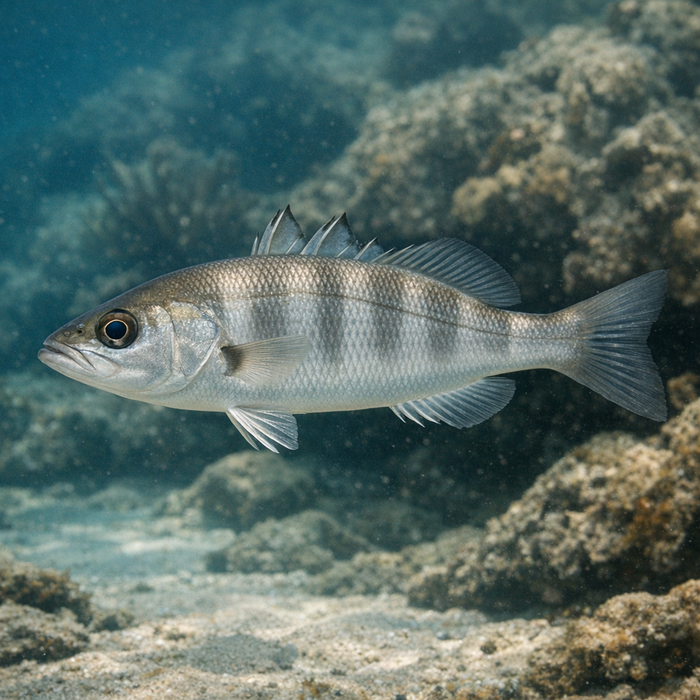
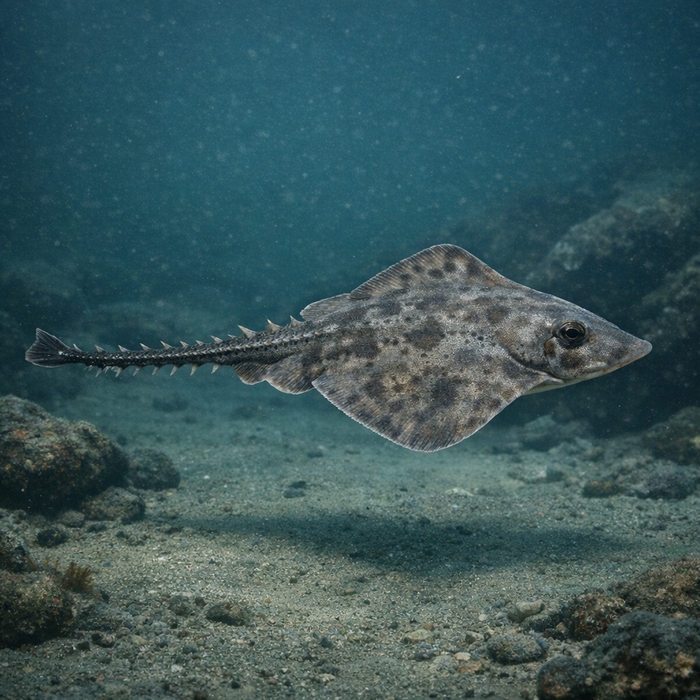
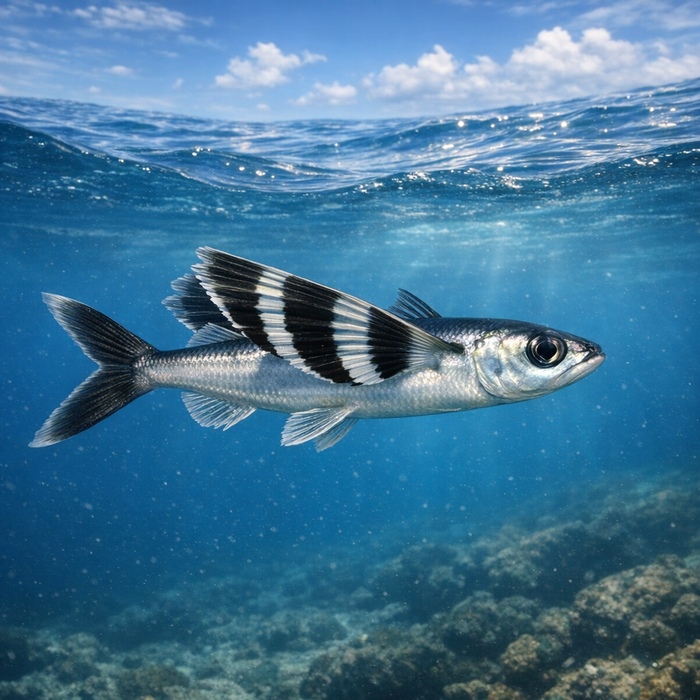
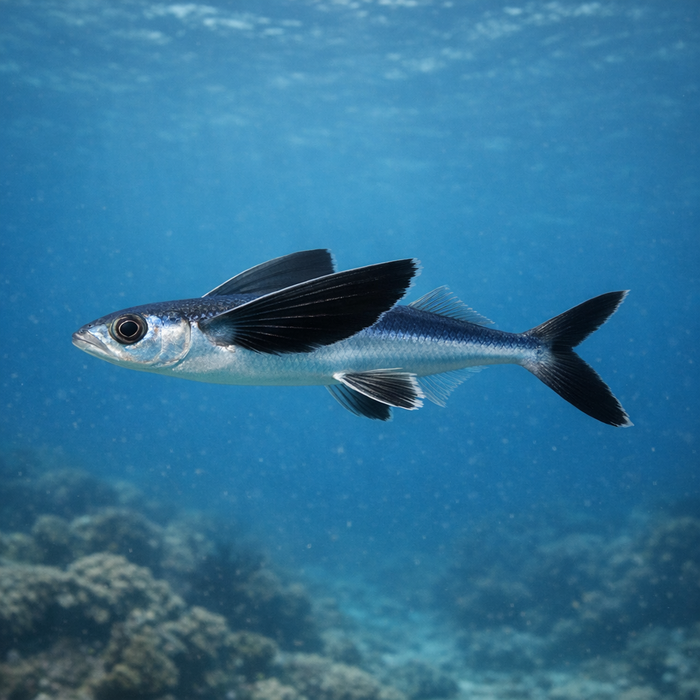
Blackfin Sucker (Vexillichthys atripinnis): Small fish, big attitude, with jet fins that wave like warning flags.IntroductionThe blackfin sucker is the reef's tiny troublemaker: quick on the draw, glued to the bottom, and far more interesting than its size suggests. You won't troll for it and you won't brag about drag-scorching runs. You will, however, sharpen your finesse game. If you're into micro fishing or curious about overlooked reef life, this little specialist turns ordinary rubble into a hunt. Consider this your crash course in blackfin sucker facts, built for anglers who don't mind getting picky.What Makes the Blackfin sucker Unique?Start with the namesake fins. They're pitch-dark, often flashing like pennants when the fish flares or pivots over a patch of sand and shell grit. Add in a compact, torpedo shape and you get a micro ambush artist that hugs the substrate like it owns the place. The blackfin sucker moves in bursts: a twitch, a hover, then a slingshot to the next divot. That rhythm makes it insanely good at vanishing between pebbles and coral nubs before you even blink.Habitat & Global RangeThink shallow, clear, warm water where wave energy leaves a mosaic of sand, coral crumbs, and small rock. That's prime blackfin sucker habitat. You'll see them most around rubble fields adjacent to coral heads and along quiet edges of reef flats. Tidal flow that pushes plankton and tiny crustaceans across the bottom seems to light them up. Depth isn't the headline here; micro-structure is. If a spot has pockmarks, shell fragments, and low-relief cover, it's worth a look. They're a tropical Indo-Pacific type, so if your trip points toward sunlit reefs and sandy inter-reefal zones, keep an eye out.Behavior & TemperamentThis fish lives life in close quarters. It perches, scans, and pounces. When pressed, it doesn't sprint for the horizon; it just evaporates into the terrain, sliding behind a pebble or thin ridge. The blackfin sucker rarely rises in the water column and almost never feeds up high like flashy planktivores. Instead, it keys on micro-prey scuttling across or within the top layer of bottom grit. Low light often helps; crepuscular windows bring a little boldness. That said, even a clumsy cast can send it packing, so stealth matters more than horsepower.Ecological ImportanceTiny benthic hunters like the blackfin sucker stitch the reef's food web together. They turn copepods, amphipods, and other micro-invertebrates into calories that larger predators can eventually use. By feeding along the seafloor, they help keep small crustacean populations in check and move nutrients through the rubble fields that other species rely on. You may not feel the tug, but the reef absolutely feels their presence.Conservation & Environmental PressuresThe usual suspects apply: coastal development, sedimentation, heat stress, and coral loss squeeze small specialists first. When the bottom turns to sterile sand sheets or choked algae mats, micro-hunters like the blackfin sucker lose the rough, ventilated texture they need. Because this species flies under commercial radar, direct harvest pressure is minor, but reef condition is everything. Clear water and healthy coral produce the patchy, nuanced bottom these fish demand.The FishyAF TakeThe blackfin sucker won't headline your trophy wall. Good. That's its superpower. It forces you to read terrain, scale your tackle down to honest light line, and place a bait with surgical calm. When you finally trick one, it's a fist-pump measured in millimeters, not miles of line. If you appreciate detail, this fish turns a quiet flat into a living puzzle. Call it small game on a big stage. And if you need a little SEO nudge: study blackfin sucker habitat before you wade out, and you'll stop walking past fish you never knew were there.