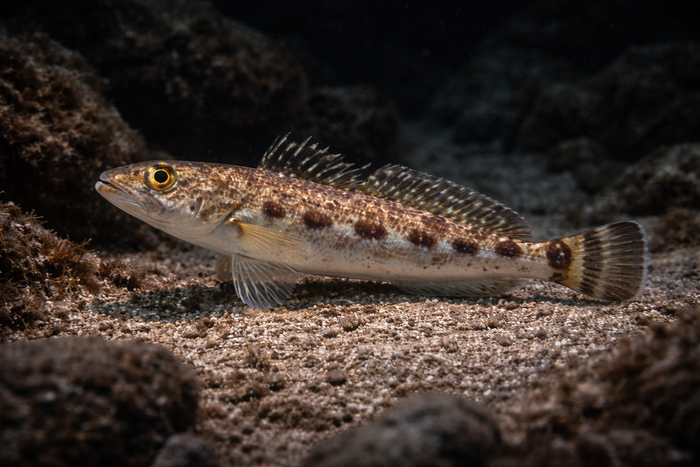
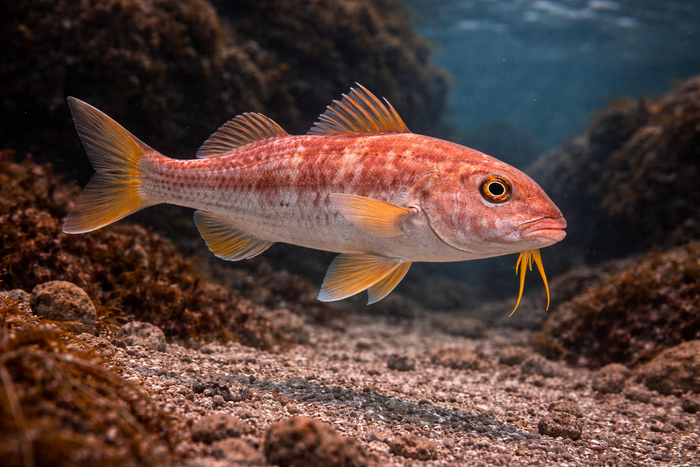
Blue Cod (Parapercis colias): The Reef Regular With a Sex-Changing Surprise
Drop a bait onto the right New Zealand reef and Blue Cod can make fishing feel refreshingly uncomplicated. Finding a healthy patch, however, is another matter. This elongated bottom predator is curious, highly valued at the dinner table, and firmly woven into southern fishing culture. It belongs to the sandperch family, Pinguipedidae, rather than the true cod family. The name has stuck; the family resemblance has not. For beginners, it offers an approachable introduction to saltwater bottom fishing. For experienced anglers, it rewards careful positioning and restraint just as much as tackle choice.
What Makes the Blue Cod Unique?
Start with its reproductive plot twist: some females become males. This is not a universal timetable that every individual follows, and size alone does not reveal a fish’s complete reproductive history. Males generally grow faster and larger than females, making the removal of big fish relevant to more than the average size of tomorrow’s catch. Population structure matters, too.
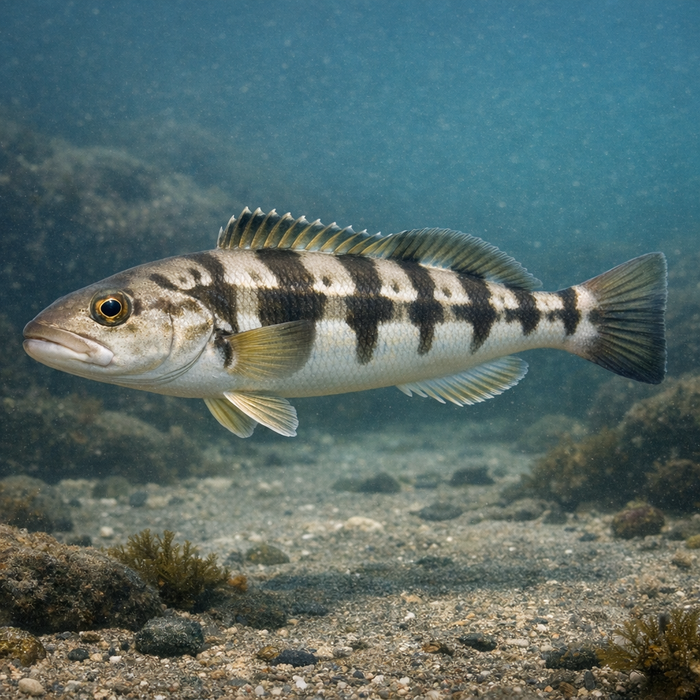
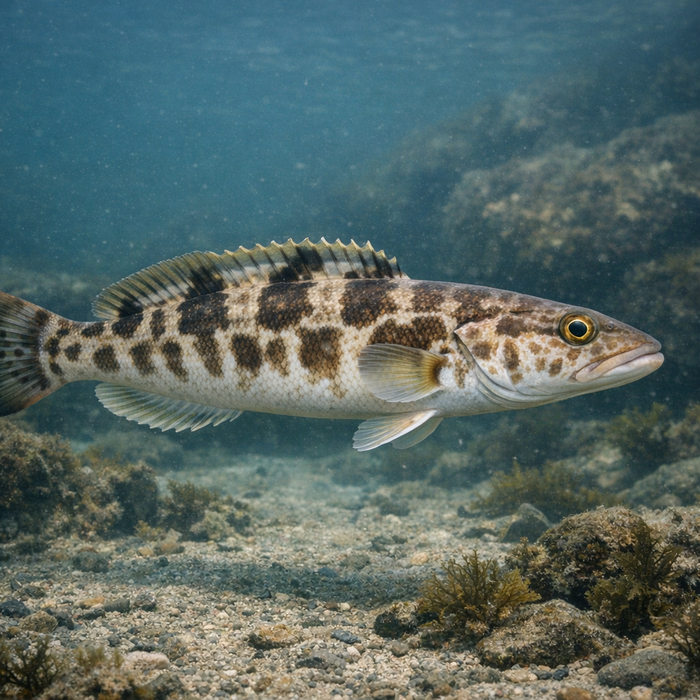
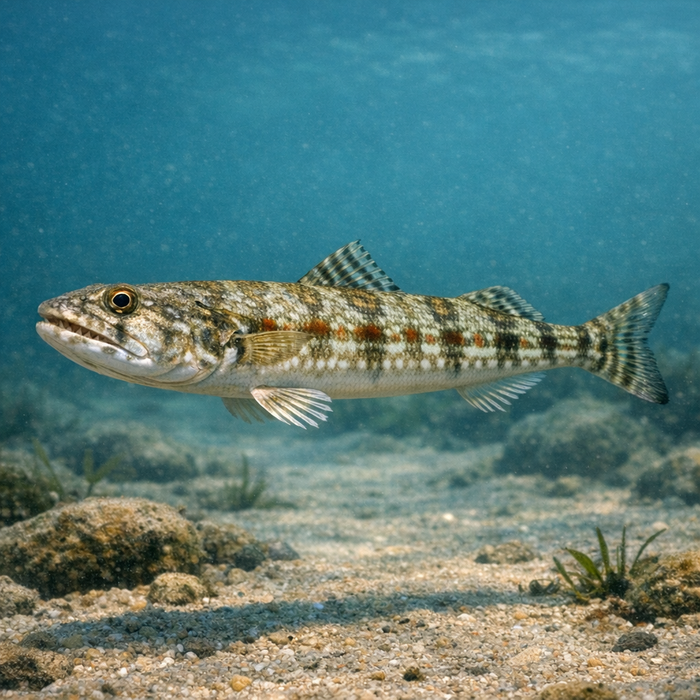
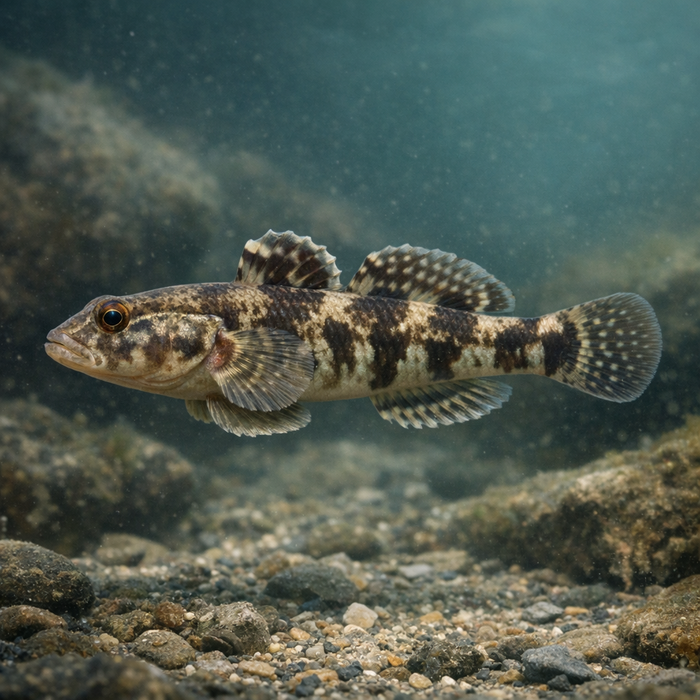
Its appearance also changes substantially with growth. Small juveniles are pale with dark longitudinal stripes, while larger individuals develop the blue-grey upper body and pale underside associated with the species. The youngest fish do not look like miniature versions of the adults. Among the more useful Blue Cod facts, that colour progression helps explain why identification should consider body shape and markings together, rather than simply hunting for something blue.
Then there is the curiosity. Divers sometimes encounter individuals willing to investigate closely enough to nibble fingertips. That makes for memorable underwater company, but inquisitiveness is not armour against fishing pressure. An animal that readily investigates an offering can be easy to catch without being quick to replace.
Habitat & Global Range
Blue Cod habitat centres on New Zealand’s coastal seabed: rocky reefs, broken ground, and adjoining sandy areas. The species is endemic to New Zealand waters, not a broadly distributed Australian reef fish. It occurs around both main islands but is particularly associated with waters south of Cook Strait and the Chatham Islands. Fish are found from shallow coastal water down to around 150 metres. That depth range creates opportunities well beyond one style of fishing or one familiar shoreline.
Foveaux Strait, Stewart Island, Fiordland, the Chatham Islands, and Kaikōura are established fishing areas. Bottom composition matters within those regions. A reef edge or patch of broken ground gives anglers a more useful starting point than a famous place name alone. Access also differs sharply: sheltered coastal fishing and exposed southern boat trips should never be treated as equivalent propositions. Suitable habitat does not cancel weather, current, or marine reserve boundaries.
Behavior & Temperament
Blue Cod often show strong attachment to local areas, which helps explain why individual fishing grounds can become depleted. Tagging studies have found that many recaptured fish moved less than a kilometre. But calling them permanently stationary would be wrong: much longer movements have also been recorded, including a journey of 156 kilometres in a Foveaux Strait study. Think locally attached, not nailed to the reef.
Their feeding connects them closely to the seabed. Small fish and various invertebrates feature in the diet, and bait fishing works by presenting a manageable offering where they already forage. For anglers, the practical challenge is often less about persuading a fish to bite than keeping the rig near suitable bottom without dragging it endlessly through snags. Simple gear is an advantage when it keeps you attentive rather than merely occupied.
Ecological Importance
Blue Cod are more than a premium fillet with fins. As predators, they link small fishes and invertebrates to the wider coastal food web. Their local abundance, size distribution, and reproductive makeup also give fisheries researchers useful information about how particular populations are responding to harvest. Counting fish is only part of the picture; the sizes, ages, and sexes in that count matter.
Marine reserve comparisons reinforce that local perspective. At Kāpiti, surveys found more larger fish inside the reserve than outside. That does not make every reserve identical or prove that every neighbouring fishing ground will recover on the same schedule. It does demonstrate why protecting a patch of seabed can matter to a species with substantial local residency.
Conservation & Environmental Pressures
The species’ Least Concern classification should not be read as permission to ignore local depletion. Fishing pressure has prompted tighter management in parts of New Zealand, and damaged seabed habitat can alter the environments these fish use. A broad conservation label and a struggling local fishery can coexist without contradiction.
Responsible fishing means checking current regional rules, avoiding repeated captures of undersized fish, and releasing unwanted fish promptly with minimal handling. Larger circle hooks with flattened barbs are recommended. So is moving when small fish dominate. Watch for seabirds during release: surviving the hook does not help much if the return journey ends in a bird’s bill.
The FishyAF Take
Blue Cod do not need glamour tackle or a heroic backstory. Their appeal is honest: interesting biology, accessible bottom fishing, and excellent eating. The mistake is confusing an easy bite with an unlimited supply. Fish the reef intelligently, take a modest feed, and leave before abundance becomes an excuse. A good day is not measured by how thoroughly you emptied the neighbourhood.