Chinook Salmon (Oncorhynchus tshawytscha): The King of Salmon, Built for Power and Persistence
Meet the Chinook Salmon, the heavyweight champ of the Pacific salmon family. Known for its impressive size and relentless migration, this species commands respect from anglers and ecologists alike. It’s not just another fish in the stream; it’s a powerhouse of endurance, a cornerstone of ecosystems, and a cultural icon for coastal communities. If you want to understand what makes a salmon truly legendary, the Chinook is your go-to.
What Makes the Chinook Salmon Unique?
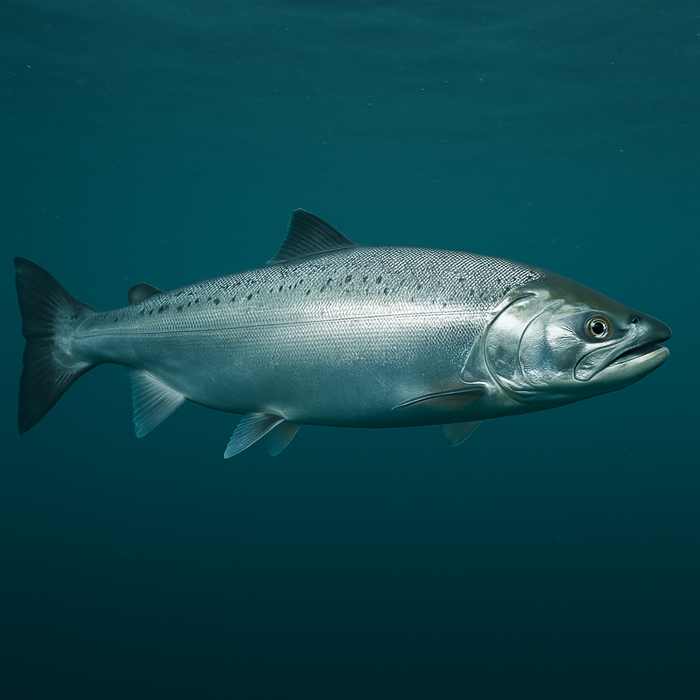
Chinook Salmon stand out for their sheer size and strength. They’re the largest of the Pacific salmon species, earning the nickname “King Salmon” for good reason. But it’s not just about bulk. Their physiology is a marvel of evolutionary engineering—built to tackle thousands of miles of ocean and river currents, often leaping over obstacles that would stop lesser fish in their tracks.
Their life cycle is a masterclass in survival strategy. Born in freshwater streams, they migrate to the ocean to grow and fatten up, then return to their natal rivers to spawn with unerring precision. Unlike some salmon species that spawn once and die quickly, Chinook can display remarkable variability in spawning timing and location, adapting to diverse environments and pressures.
Their flesh is prized for its rich, buttery flavor and high oil content, making them a culinary favorite and a commercial staple. But beyond the dinner plate, the Chinook’s genetic diversity and adaptability make it a critical species for maintaining healthy salmon populations across the Pacific Northwest and beyond.
Habitat & Global Range
Chinook Salmon have a broad but specific range, primarily along the North Pacific coast. Their habitat spans from California’s rivers up through Alaska, and across to parts of Russia and Japan. They thrive in cold, clean freshwater streams and rivers for spawning, then venture into the open ocean where they spend most of their adult lives.
The Chinook Salmon habitat is a mix of freshwater and marine environments, demanding a high degree of adaptability. They require well-oxygenated, gravel-bottomed streams for laying eggs, and access to productive ocean feeding grounds to build the energy reserves needed for their epic upstream journey.
Seasonal migrations define their habitat use. Juveniles hatch and spend months in freshwater before heading to estuaries and then the ocean. Adults return to their birth rivers, often traveling hundreds or even thousands of miles. This migratory pattern links diverse ecosystems, making Chinook a vital connector between ocean and riverine environments.
Behavior & Temperament
Chinook Salmon are the marathon runners of the fish world. Their behavior is dominated by migration and spawning instincts. They exhibit strong homing behavior, navigating with remarkable accuracy back to their natal streams using a combination of olfactory cues and geomagnetic sensing.
During migration, they face predators, rapids, and human-made barriers. Their temperament is a mix of resilience and aggression. They’re not shy fighters when hooked, known for powerful runs and acrobatic leaps that test anglers’ skills.
In freshwater, their behavior shifts to spawning mode. Males develop pronounced hooked jaws and darker coloring, engaging in competitive displays to secure prime nesting sites. Females dig redds—gravel nests—where they deposit eggs. After spawning, Chinook typically die, completing a life cycle that fuels the next generation and feeds a host of predators and scavengers.
Ecological Importance
Chinook Salmon are ecological linchpins. Their migrations transport marine nutrients upstream, enriching freshwater and terrestrial ecosystems. When they spawn and die, their decomposing bodies release nitrogen, phosphorus, and other nutrients that boost the productivity of river habitats.
They support a wide range of wildlife, from bears and eagles to freshwater invertebrates and plants. This nutrient transfer is critical for maintaining the health of riparian zones and sustaining complex food webs.
Chinook Salmon also influence the structure of aquatic communities. Their presence affects predator-prey dynamics, competition among fish species, and even stream morphology through their spawning activities. In short, they are ecosystem engineers with a role far beyond just being a tasty catch.
Conservation & Environmental Pressures
Despite their iconic status, Chinook Salmon face significant conservation challenges. Habitat loss from logging, dam construction, and urban development has reduced spawning and rearing areas. Water pollution and rising temperatures further stress populations, undermining their ability to complete their life cycle.
Overfishing, both commercial and recreational, has historically depleted stocks, though management efforts have improved in many regions. Climate change adds a new layer of complexity, altering ocean conditions and river flows, which can disrupt migration timing and food availability.
Conservation strategies focus on habitat restoration, dam removal or modification, hatchery reforms, and stricter fishing regulations. Protecting Chinook Salmon means safeguarding entire watersheds and addressing the cumulative impacts of human activity on aquatic ecosystems.
The FishyAF Take
Chinook Salmon are not just another fish to catch; they’re a symbol of wildness and resilience. Their story is one of epic journeys, survival against the odds, and deep ecological connections. Understanding Chinook Salmon facts and habitat is crucial for appreciating their role in nature and the challenges they face.
If you want to fish for Chinook, prepare for a battle. These kings don’t give up easily. But beyond the thrill of the fight, remember you’re engaging with a species that links ocean and river, predator and prey, past and future.
Respect the Chinook Salmon, protect their habitat, and you’re investing in the health of entire ecosystems. They’re not just fish; they’re living legends of the Pacific Northwest and beyond.