Dolly Varden (Salvelinus malma): The Arctic Char’s Flashy Cousin That Commands Attention
Dolly Varden isn’t just another pretty fish swimming in cold waters. This striking char species has earned its place in the spotlight for good reason. With a name as colorful as its appearance, the Dolly Varden combines resilience, adaptability, and a splash of wild charisma. Whether you’re an angler, biologist, or just a fish enthusiast, understanding Dolly Varden facts reveals a creature that’s as fascinating as it is important to northern aquatic ecosystems.
What Makes the Dolly Varden Unique?
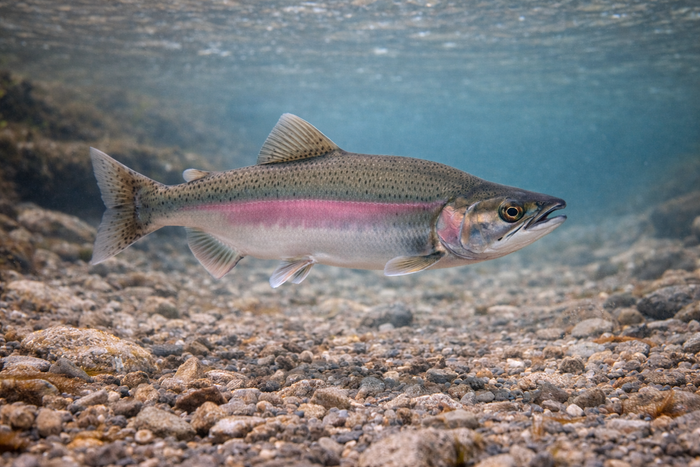
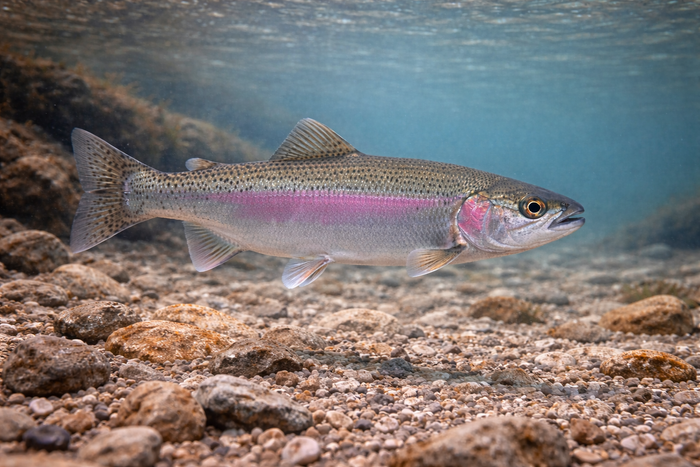
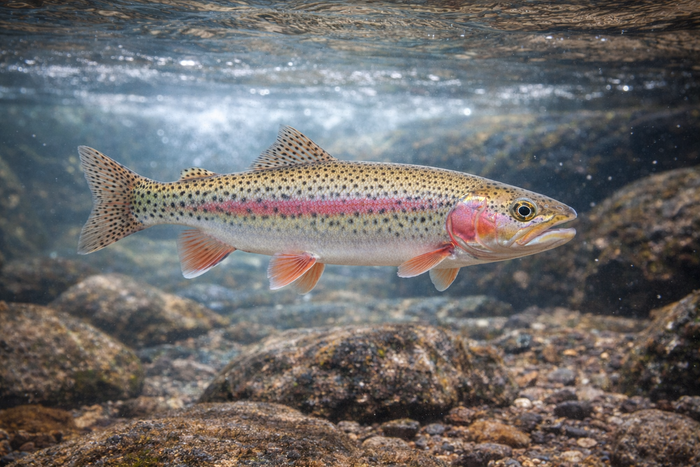
Dolly Varden stands out in the char family thanks to its vivid coloration and versatile lifestyle. Sporting a dark olive to brown body adorned with bright pink, red, or orange spots, this fish is a visual knockout. Unlike many salmonids, Dolly Varden can be anadromous—migrating between fresh and saltwater—or remain landlocked in freshwater lakes and streams. This dual lifestyle is a testament to its adaptability.
Its life cycle is a study in contrasts. Some populations spend years in the ocean, growing large and robust before returning to freshwater to spawn. Others stick to inland waters, thriving in cold, clear mountain streams. This flexibility in habitat and behavior sets Dolly Varden apart from other salmonids that tend to stick to one mode of life.
Habitat & Global Range
Dolly Varden habitat spans the cold northern Pacific Rim, from the rivers and lakes of Alaska and Canada to the coastal streams of Russia and Japan. These fish prefer pristine, oxygen-rich waters with gravelly bottoms—perfect for spawning. Their range is a testament to their cold-water preference; you won’t find them lounging in warm southern waters.
In freshwater, they favor clear, fast-flowing streams and deep, cold lakes. Anadromous Dolly Varden venture into coastal marine environments, often feeding in estuaries and nearshore ocean waters before heading back upstream to spawn. This broad habitat range means they play a role in both freshwater and marine ecosystems, linking these environments through their life cycle.
Behavior & Temperament
Dolly Varden behavior is a mix of opportunistic feeding and cautious navigation. They are predators, feeding on insects, smaller fish, and crustaceans. Their diet shifts depending on whether they’re in freshwater or saltwater, showcasing their adaptability.
Temperament-wise, Dolly Varden are neither aggressive nor timid. They hold their own in competitive environments but avoid unnecessary conflict. For anglers, this means they can be challenging but rewarding targets. They’re known for their spirited fight when hooked, making them a favorite among sport fishers who appreciate a battle.
Spawning behavior is another highlight. Dolly Varden typically spawn in the fall, selecting gravel beds in streams or lake outlets. They exhibit strong homing instincts, returning to their natal waters year after year. This fidelity helps maintain genetic diversity and population stability.
Ecological Importance
Dolly Varden play a crucial role in northern aquatic food webs. As both predator and prey, they help regulate populations of smaller fish and invertebrates while providing sustenance for larger predators like bears, eagles, and humans. Their anadromous populations act as nutrient transporters, moving marine-derived nutrients upstream and enriching freshwater ecosystems.
Their presence indicates healthy, well-oxygenated waters, making them a valuable bioindicator species. Changes in Dolly Varden populations often signal shifts in water quality or habitat conditions, alerting scientists and conservationists to environmental issues before they become catastrophic.
Conservation & Environmental Pressures
Despite their hardy reputation, Dolly Varden face mounting pressures. Habitat degradation from logging, mining, and urban development threatens spawning grounds and water quality. Climate change adds another layer of complexity, warming cold-water habitats and disrupting migration patterns.
Overfishing, particularly in coastal areas, can impact anadromous populations. While not currently endangered, localized declines have been documented, underscoring the need for proactive management. Conservation efforts focus on habitat protection, sustainable fishing regulations, and monitoring population health to ensure Dolly Varden remain a fixture in northern waters.
The FishyAF Take
Dolly Varden isn’t just a fish with a catchy name and flashy spots. It’s a resilient survivor, a connector of ecosystems, and a symbol of northern aquatic health. Understanding Dolly Varden facts and habitat nuances reveals a species that demands respect and careful stewardship. For anglers, it’s a worthy adversary. For conservationists, a sentinel species. For the ecosystem, an indispensable player.
If you want a fish that’s as bold in behavior as it is in appearance, Dolly Varden fits the bill. It’s a reminder that even in the coldest, most remote waters, life thrives with complexity and color. Keep an eye on this char—it’s a story of survival and adaptation that’s far from over.